Choosing between Zilker and Travis Heights can feel like choosing between two versions of the Austin lifestyle you love. You might picture morning runs on the trail, late dinners on South Congress, and weekends at Barton Springs. This guide helps you compare the market and the day-to-day experience so you can pick with confidence. You’ll see how to measure price, what product types to expect, and a practical checklist to make your next move. Let’s dive in.
Zilker vs. Travis Heights overview
Both neighborhoods sit in Austin’s 78704 and command premium demand thanks to proximity to downtown, Lady Bird Lake, and strong walkability. Zilker leans park and green space with immediate access to Zilker Park and Barton Springs. Travis Heights leans SoCo energy with historic bungalows close to South Congress retail and dining.
Think of it this way: Zilker is your front-row seat to outdoor Austin. Travis Heights is your front-row seat to the SoCo scene.
Boundaries that shape value
Neighborhood names can blur at the edges. Zilker is generally west or southwest of Lady Bird Lake and near Barton Springs and Zilker Park, with some adjacency to South Lamar. Travis Heights begins south of the lake and stretches toward the South Congress corridor, including historic Fairview Park pockets.
For an accurate comparison, define your search area before pulling comps. Use a consistent polygon from your MLS neighborhood tool or verify parcels through the county. Sales data often crosses informal borders, so the setup matters as much as the analysis.
How to compare prices the right way
If you want a fair Zilker vs. Travis Heights comparison, use a consistent method.
- Pull 6 to 12 months of closed sales. In slower markets, expand to 12 to 24 months. Start with Austin Board of REALTORS market reports for macro context, then run an MLS solds export.
- Focus on single-family homes and compare price per finished living square foot. Exclude condos unless you are intentionally comparing product types.
- Remove obvious outliers such as vacant land or extreme estate-condition sales. Use the median when data is skewed.
- Verify living area and lot size against Travis Central Appraisal District parcel records.
- Segment by product so you do not mix apples with oranges.
Product cohorts to track
- Small older bungalows, roughly 1,000 to 1,600 square feet on typical lots. These can post high PPSF but lower total price.
- Renovated historic or major remodels, roughly 1,600 to 2,500 square feet.
- New two-story infill or premium lots, 2,500 square feet and up, including park-edge or bluff locations. These often set the top of the market in PPSF and total price.
PPSF can vary block by block. Homes next to Zilker Park and Barton Springs often command a premium. Renovated Travis Heights bungalows along SoCo can match or exceed those premiums depending on finish level and lot.
What you will find on the ground
Expect a mix of lot sizes and topography in both neighborhoods.
- Historic bungalow lots are common, often 4,000 to 8,000 square feet, with mostly level interior parcels.
- Corner or oversized lots appear in pockets of Travis Heights and support larger additions, gardens, or pools.
- Bluff or creek-adjacent lots, especially on the eastern side of Travis Heights near the lake, can offer privacy or views and sometimes add complexity for redevelopment because of slope.
- Park-edge parcels in Zilker, near Zilker Park or Barton Springs, often carry higher value per square foot because of amenity access.
- Infill lots created from lot splits appear throughout 78704, producing modern two-story homes on smaller parcels.
Architectural mix
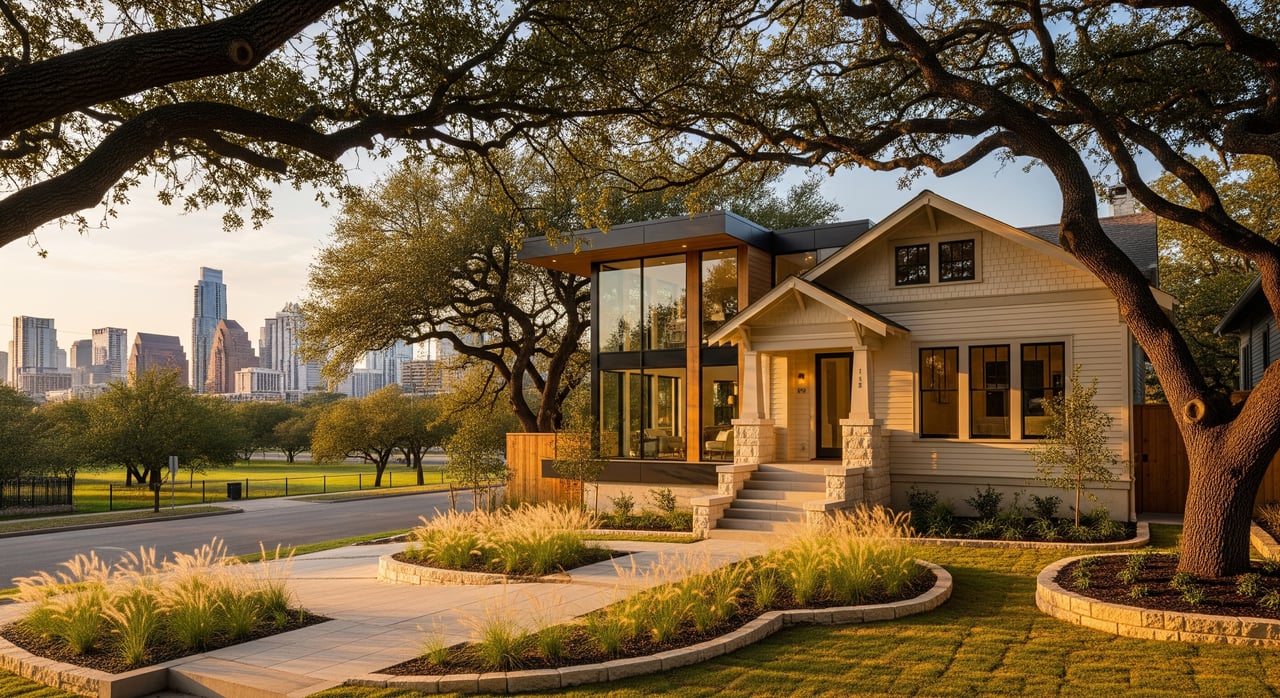
- Travis Heights features Craftsman and bungalow-era homes from the early 1900s through the 1930s, mid-century ranches, and some new modern infill near South Congress.
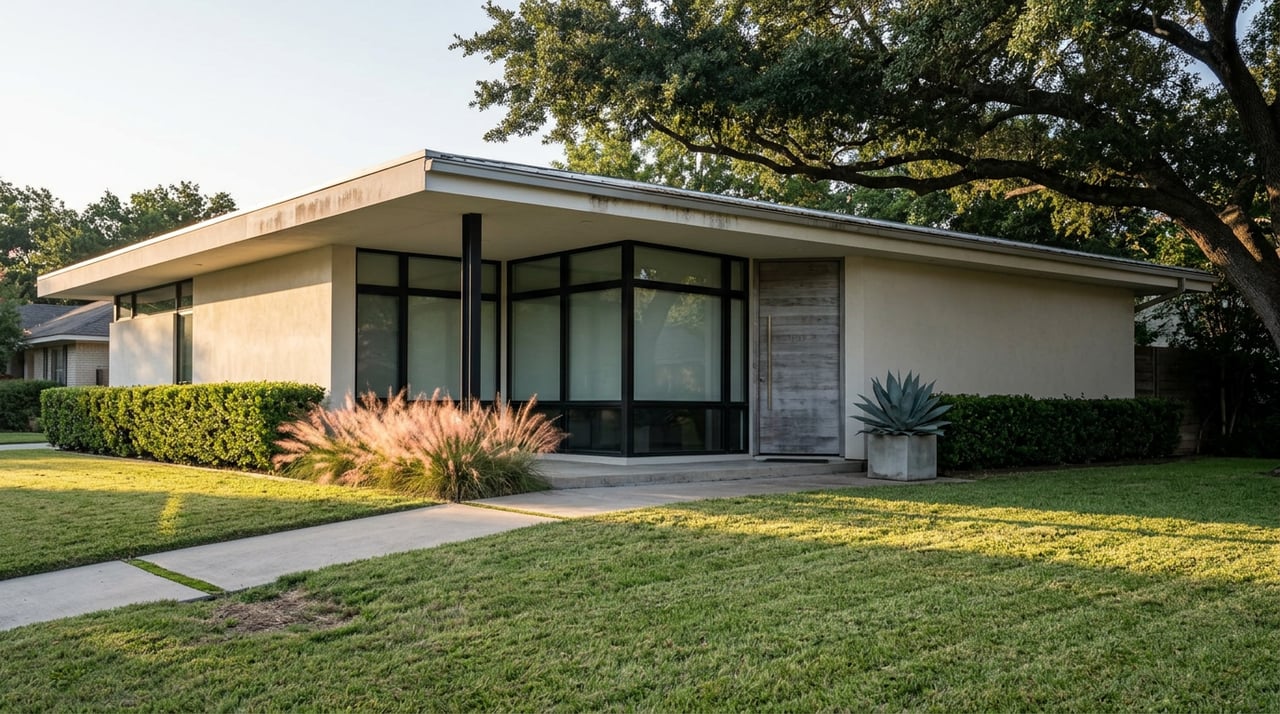
- Zilker blends older cottages with a larger share of high-end modern rebuilds and contemporary architecture, particularly on blocks that have seen tear-downs.
Walkability and anchors
You will share many of the same outdoor and cultural assets in both neighborhoods.
- The Ann and Roy Butler Hike-and-Bike Trail along Lady Bird Lake offers miles of car-free running and biking.
- Zilker Metropolitan Park, Barton Springs Pool, and Barton Creek define the Zilker lifestyle.
- South Congress Avenue delivers dining, boutiques, music, and coffee shops that shape the Travis Heights identity.
- South First and South Lamar corridors add more restaurants and entertainment within a short bike or drive.
Zilker day-to-day vibe
Access to major green spaces sets the tone. Many residents prioritize runs on the trail, swims at Barton Springs, or weekend picnics at Zilker Park. Retail is present near South Lamar and Barton Springs Road, but it is less of a continuous main street than SoCo.
Travis Heights day-to-day vibe
South Congress brings a steady flow of shopping, dining, and music. That creates a lively experience in the evenings and weekends. Interior streets still feel residential, with mature trees and historic character.
Transit and mobility
Multiple Capital Metro routes serve South Congress, South First, and South Lamar. Check CapMetro schedules and maps for the latest route details. Bike and scooter infrastructure is well developed near Lady Bird Lake and along key corridors. Parking can be tight close to SoCo and park entrances, so plan accordingly for guest parking.
Rules, risk, and what to verify
- Floodplain checks. Parcels near creeks and Lady Bird Lake may sit in a flood zone. Confirm status on the FEMA Flood Map Service Center and ask for any elevation certificates.
- Historic overlays. Travis Heights includes the Travis Heights–Fairview Park Historic District, which can affect exterior changes and demolitions. Review guidelines with the City of Austin Historic Preservation Office and see the National Register listing.
- Zoning and infill rules. Much of 78704 is single-family zoning with accessory dwelling unit allowances and evolving middle-housing policies. Confirm what can be built through city resources or a local builder.
- Schools. Both areas are in Austin ISD. Verify current school assignments with official district maps.
- Property taxes. Check parcel details, exemptions, and assessed value via TCAD parcel search.
Who tends to choose which
- The Active Outdoor Buyer. If daily access to big green space and water matters most, Zilker often fits.
- The Walk-to-Retail Buyer. If you want restaurants, boutiques, and music outside your door, Travis Heights usually wins.
- The Historic Preservation Buyer. If original bungalow character and protected streetscapes appeal to you, focus on Travis Heights historic pockets.
- The Luxury or Modern Builder. If you seek new-build design and higher-end finishes, look closely at Zilker pockets and select infill nodes in both neighborhoods.
A practical buy-side checklist
Use this quick process before you write an offer.
- Define your neighborhood polygon and pull 6 to 12 months of closed sales. Segment by product type and use medians.
- Verify living area and lot size in TCAD records. Remove outliers.
- Walk the block at different times. Visit on a weekday morning and a weekend evening to understand noise, traffic, and parking.
- Check flood status on the FEMA map portal. Ask for any elevation certificate and consult your lender on insurance requirements.
- Confirm historic overlay status with the Historic Preservation Office. Understand demolition or exterior design review.
- Verify zoning, tree protections, and utility easements if you plan to build. For bluff lots, assess slope constraints early.
- Confirm current school assignments using official district resources.
Tips for sellers in 78704
Buyers evaluate these neighborhoods by lifestyle and product type. Show where your home fits. If you own a renovated bungalow near SoCo, highlight walkability, finish level, and historic context. If you own a modern build near Zilker Park, focus on park access, design details, and privacy or view advantages. Pair that story with recent solds from the same cohort to support your price.
Your next step
If you are weighing Zilker against Travis Heights, you do not need a generic answer. You need block-level pricing, a clear read on risk, and a plan to win the right house. For a tailored comp set, on-the-ground guidance, and development-savvy advice, connect with Derrik Davis for a valuation and strategy session.
FAQs
How do PPSF trends differ in Zilker vs. Travis Heights?
- Both trade at a premium to Austin overall, with Zilker often boosted by park adjacency and modern infill, and Travis Heights buoyed by SoCo access and renovated bungalows; exact PPSF varies by block and product.
What does the Travis Heights historic district mean for owners?
- Parts of Travis Heights fall under the Travis Heights–Fairview Park Historic District, which can require design review for exterior changes and restrict demolitions; confirm with the city’s Historic Preservation Office.
Are floodplains a concern near Lady Bird Lake and creeks?
- Some parcels near Lady Bird Lake and creeks may be in FEMA flood zones, which can affect insurance and financing; verify each property on the FEMA map portal and request any elevation certificate.
How does walkability compare between the two neighborhoods?
- Both access the Lady Bird Lake Trail, but Zilker centers on park and green space while Travis Heights centers on South Congress retail and dining; your daily routine will feel different in each.
What home types are most common in Zilker and Travis Heights?
- Travis Heights features early 20th-century bungalows and Craftsman homes with mixed infill, while Zilker mixes older cottages with a larger share of contemporary rebuilds and luxury modern homes.
How can I verify school zoning before buying in 78704?
- Check official Austin ISD attendance maps for the specific address, since boundaries can change; confirm again during your option period.