If you want weekend trailheads, a quick downtown commute, and a calm neighborhood feel, Barton Hills checks the boxes. You get tree‑lined streets, access to Austin’s most iconic parks, and a central location that makes daily life simple. In this guide, you’ll learn how the neighborhood is laid out, what daily life looks like, the homes you’ll find, and the trade-offs to consider before you buy or sell. Let’s dive in.
Where Barton Hills sits
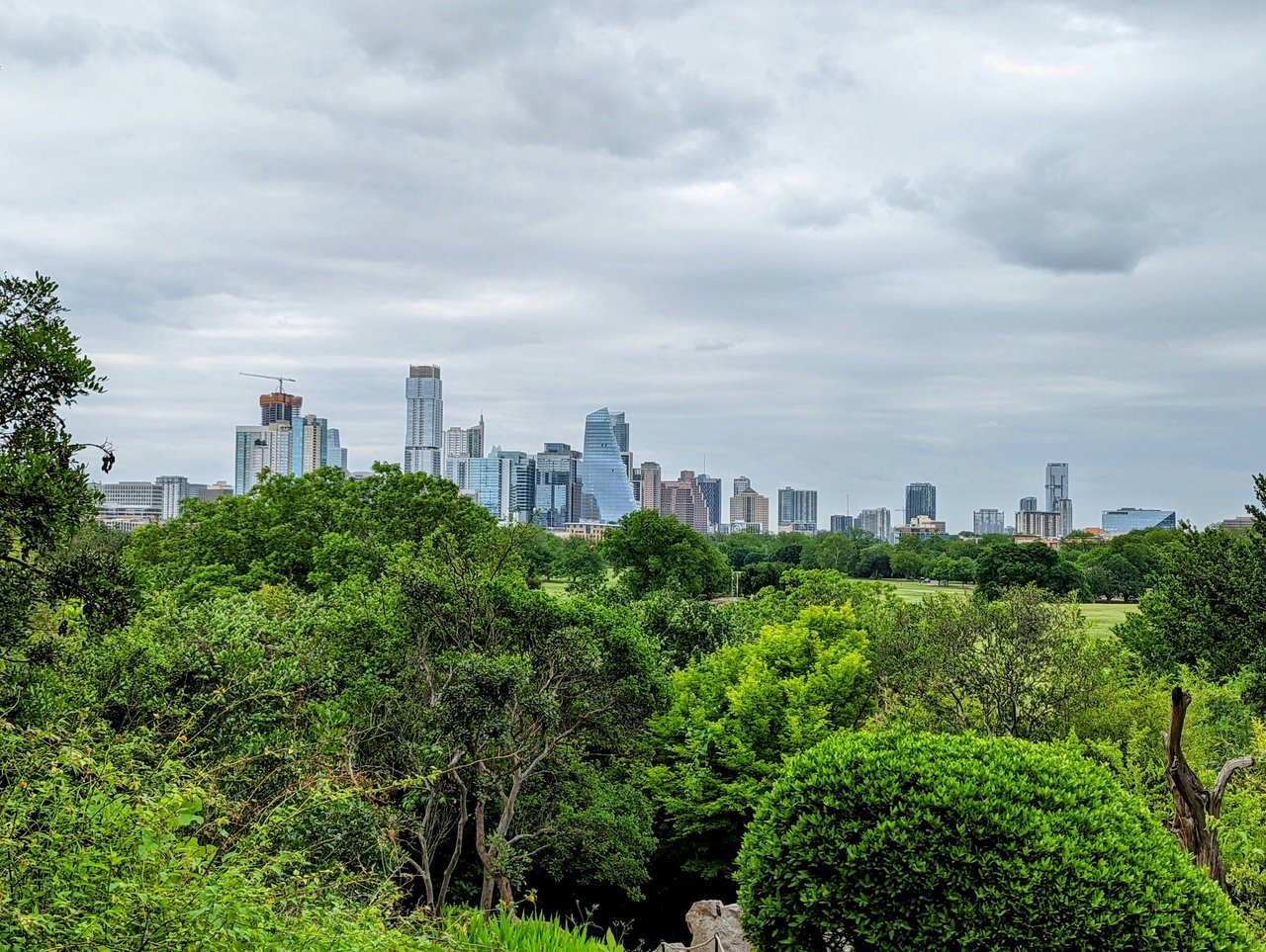
Barton Hills is in south-central Austin within the 78704 area. It sits just south of Barton Springs Road and borders the Barton Creek corridor and Zilker Park. The terrain is gently hilly with mature oak trees and riparian green space.
You are minutes from downtown and the South Lamar corridor, which makes errands and commutes efficient. The neighborhood feels residential, yet major dining and culture are right next door.
Outdoor anchors
Zilker Park and Barton Springs
Zilker Park is a daily-life magnet. It offers wide-open fields, trail connections, and seasonal festivals like Austin City Limits. Barton Springs Pool is spring-fed and open year-round for swimming.
Living nearby means you can walk or bike to the park for workouts or relaxed afternoons. During big events and peak weekends, expect more visitors and traffic near the park edges.
Barton Creek Greenbelt access
The Barton Creek Greenbelt threads along the neighborhood, with multiple trailheads close by. You can hike, mountain bike, or find creekside rock areas when water levels allow. For many residents, the Greenbelt becomes a weekly routine for exercise and fresh air.
Culture and daily life
You are close to a deep bench of restaurants, coffee shops, and nightlife along South Lamar and nearby South Congress. Barton Hills itself stays mostly residential, so you enjoy the culture without heavy commercial buzz on your block.
Weekdays often mean a short drive or bike ride to work and a quick stop at a local cafe on the way back. Weekends lean outdoors: Greenbelt laps, a swim at Barton Springs, and a late lunch on South Lamar. Festival season adds energy and foot traffic, which some love and others plan around.
Housing options
Original mid-century homes
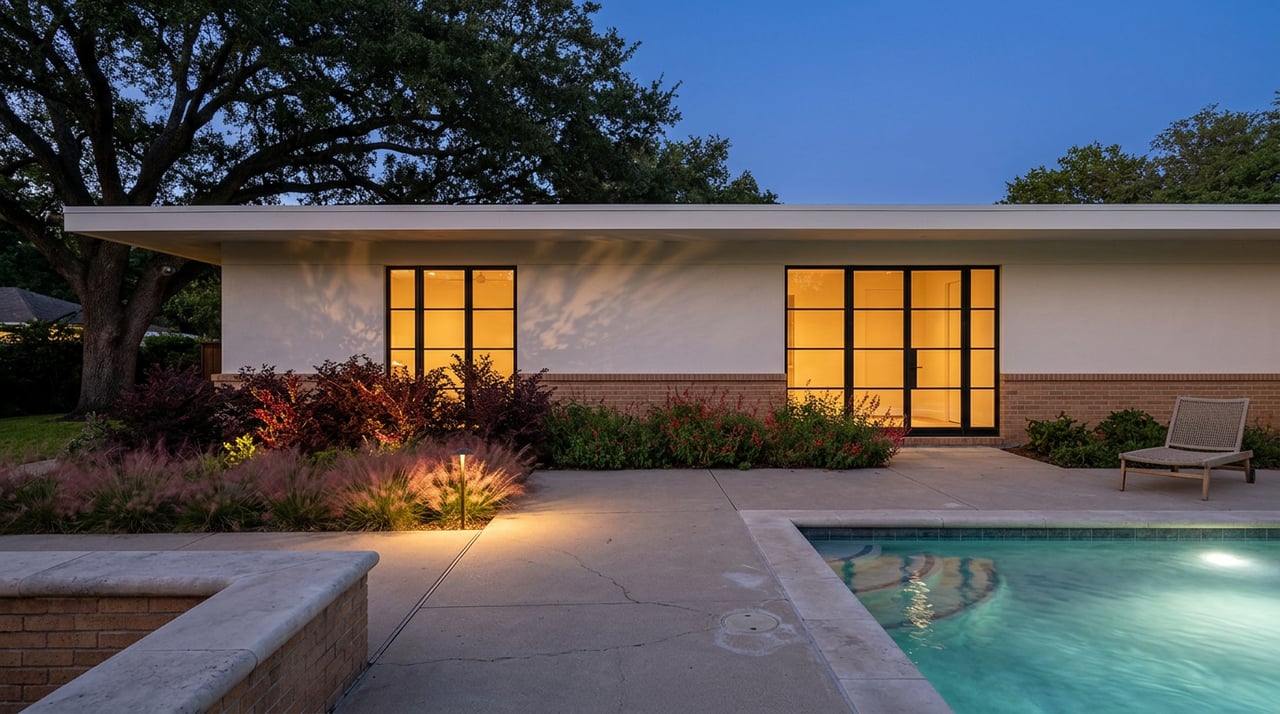
Many streets feature 1950s to 1970s ranches and bungalows. These homes often have single-story layouts and classic curb appeal. Some remain in mostly original form, while others have seen thoughtful updates.
Lot sizes vary. Many are moderate by suburban standards, with a handful backing to greenbelt areas that feel larger and more private.
Renovations and new builds
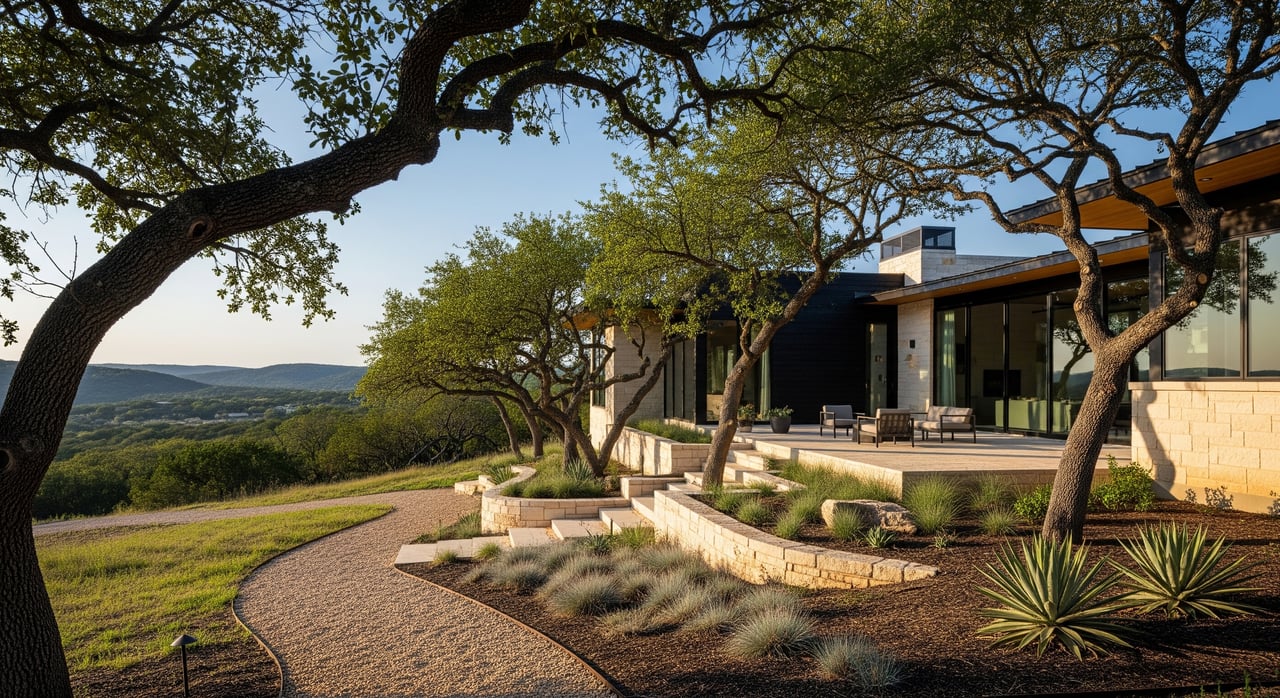
Remodels and infill are common. Strong demand for the location has led to tear-downs and modern new construction. Newer homes often use contemporary design and may build upward to maximize space on modest lots.
If you value clean-lined architecture and energy-efficient systems, you will find standout options here. If you prefer character-rich mid-century details, you will also see homes that preserve the original charm.
Condos, townhomes, and duplexes
Beyond single-family homes, you will find duplexes, small multifamily buildings, and pockets of condos or townhomes. These can be entry points into the neighborhood at lower price tiers compared with larger single-family properties.
These options appeal to buyers who want the lifestyle and location with less yard maintenance. They also suit investors who value central Austin rental demand.
Market feel and buyer fit
Barton Hills is one of the more sought-after micro-markets in 78704. Proximity to parks and downtown keeps demand high and inventory tight. Well-located listings often draw strong interest.
Typical buyers include professionals seeking a short commute, outdoor-focused residents who prioritize trail access, and families who want central convenience with green space. Investors and small builders also target lots for redevelopment.
If you are buying, plan for a competitive environment. If you are selling, premium presentation and accurate pricing can capture strong interest quickly.
Getting around
Driving and major roads
Downtown is a short drive, often under 15 minutes during off-peak times. Barton Springs Road and South Lamar Boulevard are your primary connectors. You can reach MoPac and I-35 with quick access depending on direction and traffic.
Street parking can be tighter in certain pockets, especially near park access points. Some newer homes rely on garage or courtyard parking.
Biking, walking, and transit
Biking is common thanks to local lanes and trail connections. Many residents can walk to parks and some cafes or shops, though you may still use a car for larger errands.
CapMetro bus routes serve major nearby streets. Always check current schedules and routes, since service can change.
Practical trade-offs
Floodplain checks
Parts of Barton Hills lie near Barton Creek and other watercourses. Flood risk varies by parcel. Always review FEMA maps and local floodplain data for a specific address before you buy, and consult with professionals on insurance and mitigation.
Event traffic and noise
Zilker events and busy park weekends can bring more cars, visitors, and noise. Some streets see more parking pressure during peak times. If you like the festival vibe, this may be a plus. If not, you can plan around event schedules.
Zoning and redevelopment
City of Austin zoning, neighborhood plans, and environmental rules shape what you can build. Height, setbacks, and lot division vary by parcel. If you are considering a remodel or new build, verify entitlements and feasibility early.
Schools and childcare
Barton Hills is served by Austin ISD. School assignments can change over time, and several private or charter options are accessible in South Austin. Always confirm current attendance zones and program details directly with the district.
Services and healthcare
The central location puts hospitals and medical providers within a short drive. City parks maintenance and local neighborhood organizations contribute to trail care and community engagement.
How to buy well here
- Get clear on your lifestyle priorities. Decide how much you value trail proximity, yard size, and new construction compared with budget.
- Prepare for speed. Tight inventory means you should be ready with pre-approval and a quick decision framework.
- Inspect for the setting. Check floodplain data, tree health, and site conditions, especially near creek corridors.
- Verify build potential. For remodels or infill, confirm zoning, impervious cover, and any environmental overlays before you make an offer.
- Focus on value drivers. Premium lots, quality design, and walkable access can support long-term desirability.
How to sell for maximum impact
- Present a lifestyle, not just a house. Highlight trail access, Zilker proximity, and the ease of central living.
- Use polished marketing. Professional photos, virtual tours, and design-forward staging can capture premium buyer attention.
- Price with hyperlocal precision. Micro-location in Barton Hills matters street by street. Align with recent, relevant comps and current demand.
- Time around events. Be strategic about open houses during festivals or peak park weekends to manage traffic and exposure.
- Prepare your property. Tidy landscaping, fresh paint, and minor repairs often deliver outsized returns in a competitive area.
Who Barton Hills suits
You will thrive here if you want an outdoors-oriented, central location with quick access to work and culture. The neighborhood is a fit if you value established trees, active living, and a strong sense of place.
If you need large suburban lots or prefer a quieter setting far from event areas, you may want to explore other parts of Greater Austin. If you love parks and a short commute, Barton Hills belongs on your list.
Work with a local expert
Buying, selling, or building in Barton Hills benefits from hyperlocal knowledge and development-savvy guidance. From feasibility questions to premium listing strategy, an owner-led boutique offers clarity and speed.
If you are ready to explore next steps in Barton Hills, reach out to Derrik Davis for a local consultation and a tailored plan.
FAQs
Is Barton Hills a good fit for outdoor lovers?
- Yes. You have quick access to Zilker Park, Barton Springs Pool, and the Barton Creek Greenbelt for hiking, biking, and year-round swimming.
What types of homes are common in Barton Hills?
- You will find mid-century ranches and bungalows, updated remodels, modern new builds, and some condos, townhomes, and duplexes.
How is the commute from Barton Hills to downtown Austin?
- Off-peak drive times are often under 15 minutes, with South Lamar and Barton Springs Road providing direct routes to central districts.
Are there flood risks in Barton Hills?
- Some parcels near creeks lie in FEMA-designated floodplains, so you should check maps and consult professionals for property-specific risk.
What should buyers verify before writing an offer in Barton Hills?
- Confirm floodplain status, zoning and build limits, recent comparable sales, and any site-specific constraints like trees or environmental overlays.
How does festival season affect living in Barton Hills?
- Major events at Zilker can increase traffic, parking demand, and noise near the park, so you should plan routes and schedules accordingly.