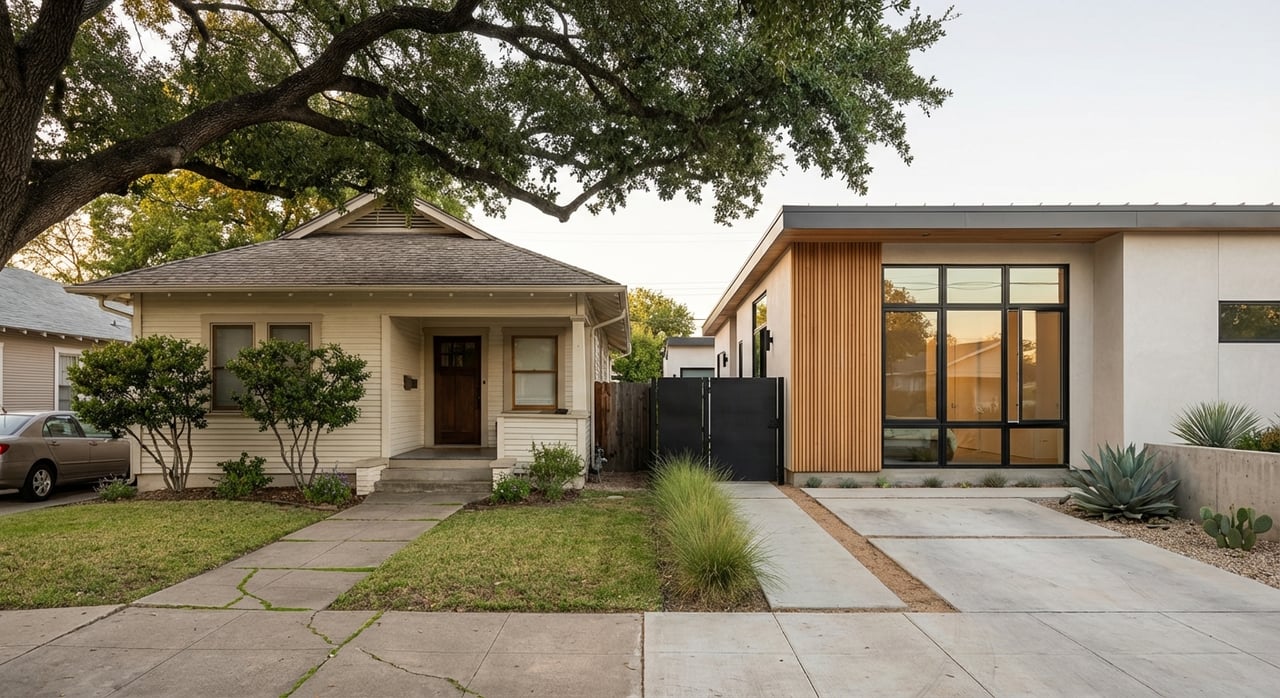
Torn between a storybook bungalow and a sleek new build in Travis Heights? You are not alone. This neighborhood blends early 20th‑century charm with bold, modern architecture, and each path comes with different costs, approvals, and long‑term value drivers. In this guide, you will learn how historic and new construction compare on design, renovation risk, permitting, and resale so you can move forward with confidence. Let’s dive in.
Travis Heights snapshot
Travis Heights sits just south of downtown Austin with Lady Bird Lake to the north, Congress Avenue to the west, I‑35 to the east, and Oltorf Street to the south. Much of the area was listed on the National Register of Historic Places in 2021 as the Travis Heights–Fairview Park Historic District, and the neighborhood group is active on preservation and Local Historic District efforts. You can review the neighborhood’s preservation resources on the Historic Travis Heights site and the National Park Service weekly list confirming the designation. Recent community discussions also highlight ongoing tensions between preservation goals and large‑scale infill.
- Explore the neighborhood’s preservation resources at the Historic Travis Heights site: HistoricTravisHeights.org
- See the National Register confirmation: NPS weekly list
- Read about preservation vs infill debates: Austin Monitor coverage
Historic bungalow essentials
Many contributing homes in Travis Heights are 1 to 1.5 story Craftsman or bungalow types. Look for front or partial‑width porches, low to moderate roof pitches, wide eaves, exposed rafter tails or brackets, and original wood windows on raised pier‑and‑beam foundations. These properties often feature compact interiors with a living room and separate dining room, modest kitchens, and two to three bedrooms.
Lots are typically mid‑sized for central Austin, often with alley access and detached rear garages. That historic pattern shapes curb appeal and how additions are best executed. City Historic Landmark Commission documentation provides recurring examples of these features and layouts across the district.
- See recurring bungalow features in HLC materials: HLC backup examples
Renovation realities and costs
Systems in early homes may be original or decades old. Plan for whole‑house rewiring and panel upgrades, new HVAC with potential ductwork changes, plumbing updates, and water‑line replacement. Pier‑and‑beam foundations can show settlement or moisture issues that require re‑leveling and repairs.
Pre‑1978 homes are likely to have lead‑based paint. Any work that disturbs painted surfaces must follow EPA Renovation, Repair and Painting rules, and certain materials may require testing for asbestos by qualified professionals. For budget planning, industry guides note that mid‑level renovations for small historic homes often run from tens of thousands into low six figures, while full gut or structural projects commonly exceed $100,000 to $200,000 in close‑in markets. Always get local contractor bids and add a 15 to 25 percent contingency.
- Lead‑safe work rules: EPA RRP overview
- Renovation cost ranges and planning: Renovation cost guide
- Foundation and structural notes in HLC files: HLC backup examples
Design approvals for historic homes
If your home is within or adjacent to the National Register district, the Historic Landmark Commission reviews demolitions and may review new construction drawings before a demolition permit is released. Local Historic Districts carry design standards and require a Certificate of Appropriateness for visible changes. Expect to justify additions and exterior alterations with design documentation, and plan extra time for review and approvals.
- See recent HLC agendas and review patterns: HLC agenda archive
New construction advantages
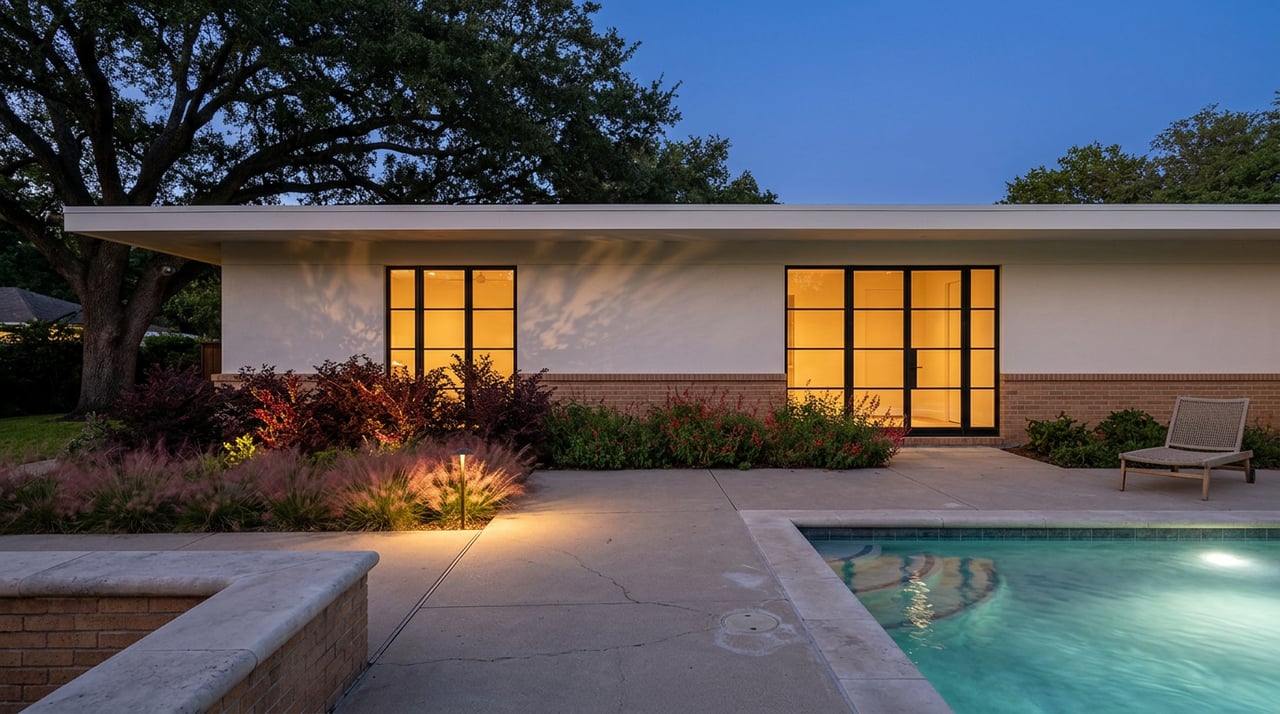
Modern homes in Travis Heights often span two to three levels with open‑plan living, multiple en‑suite bedrooms, high‑efficiency systems, and strong indoor‑outdoor connections. Features like large glazing, rooftop decks, small pools, and premium finishes are common. For many buyers, the ability to get more square footage, a larger kitchen, and a layout tailored to contemporary living is the draw.
Energy performance can also be a differentiator. Expect features like spray foam insulation, tankless water heaters, and zoned HVAC. These upgrades can enhance comfort and reduce operating costs compared to older stock.
Design fit and neighborhood review
Design guidelines and neighbor feedback often focus on massing, setbacks, and how a façade meets the street. Front‑facing garages, second‑story wall planes that overpower the block, and incompatible window patterns are frequent friction points. If the property lies within the National Register district or a Local Historic District, plan for demolition and new‑build review sequencing through the HLC.
- Compatibility themes in HLC review: HLC agenda archive
- Watch a recent HLC session for process timing: HLC meeting video
Rules that shape your options
Not all historic designations are the same. A National Register listing is largely honorific, though the HLC may still review demolitions and request documentation. Local Historic Districts add enforceable design standards with a formal Certificate of Appropriateness process for exterior work.
The neighborhood group is actively working on LHD formation in select areas. If you are evaluating a lot or house, verify whether it sits within a National Register boundary, an existing or proposed LHD, or a conditional overlay. Early clarity helps you pick the right timeline, design team, and scope.
- National Register context: NPS weekly list
- Neighborhood preservation resources: HistoricTravisHeights.org
Austin’s HOME code changes
City Land Development Code amendments under the HOME initiative changed what is possible on many single‑family lots. Key shifts include pathways to smaller lots in some cases, the ability to add more units on certain SF‑zoned parcels, and streamlined site‑plan review for small projects. These changes can open the door to a primary residence with additional units or a small build program, subject to overlays and HLC review.
Remember that drainage, tree protection, compatibility standards, and historic review can still extend timelines. Confirm exact entitlements and process steps for your parcel before you commit to a plan.
- Learn about current LDC amendments: City of Austin HOME overview
Cost, value, and resale
Value in Travis Heights is driven by design quality, functional square footage, and execution. Buyers often pay a premium for more bedrooms and bathrooms, modern kitchens, updated systems, and strong indoor‑outdoor flow. At the same time, a well‑restored bungalow with intact curb appeal and compatible additions can command top interest from character‑focused buyers.
Research on historic districts suggests that Local Historic Districts often correlate with value stability or a price premium compared with similar non‑designated areas. National Register status by itself is more honorific and does not automatically create that effect. Use block‑level comps to see which buyer pool is dominant where you are looking.
- Preservation economics overview: Historic district value evidence
Which path fits you
If you are leaning historic, you likely value architectural detail and street character. You are comfortable upgrading systems and working through design approvals to keep the façade right. Your goal is a timeless home with modern livability that still reads as Travis Heights on day one.
If you are leaning new construction, you want scale, efficiency, and a layout dialed to how you live. You plan for a two to three story program with generous windows, an open main level, and smooth indoor‑outdoor access. You will collaborate with your architect and builder to meet compatibility goals and glide through approvals.
Due diligence checklist
Before you make an offer or tee up a build, work this list:
- Confirm zoning and overlays. Check if the lot is within a National Register boundary, an existing or proposed Local Historic District, a neighborhood plan, or a conditional overlay. Review the City’s LDC amendment page and coordinate with HLC staff if applicable. City LDC amendments
- Understand HLC sequencing. Ask the seller or agent for any past HLC decisions, Certificates of Appropriateness, or pending permits. Demolition in the NR area often requires documentation and may tie to new construction approvals. HLC meeting archive
- Order specialized inspections for older homes. Schedule a full home inspection plus structural (pier and beam), pest/termite, HVAC, electrical panel, sewer scope, and lead‑paint testing for pre‑1978 homes. Any lead work must follow EPA RRP. EPA RRP rules
- Verify lot and flood constraints. Confirm lot size, boundaries, alley access, and any FEMA or City floodplain exposure, particularly near Blunn Creek or Lady Bird Lake. Map buildable area after setbacks and water‑quality buffers.
- Price both paths. Obtain local contractor bids for a targeted renovation scope and a comparable new build. Add a 15 to 25 percent contingency for older homes and confirm financing options, including renovation or construction loans. Renovation cost planning
- Engage the neighborhood early. Review resources and priorities from the local preservation group to anticipate design feedback. HistoricTravisHeights.org
Example scenarios
Renovate a 1930s bungalow: You buy a contributing bungalow with a classic porch, update the electrical, plumbing, and HVAC, and open the rear to a new kitchen and indoor‑outdoor connection. You retain street‑facing character, add a primary suite at the rear, and keep a detached garage with alley access. You budget for foundation adjustments, lead‑safe paint practices, and a design package for HLC review where required.
Build a new modern home: You acquire a mid‑sized lot and design a two to three story home with an open main level, multiple en‑suite bedrooms, and a small pool. You address massing and street presence with compatible setbacks and scaled wall planes, and you protect trees through the site plan. You plan your timeline with HLC review, drainage checks, and City permits in mind.
Working with a local partner
Choosing between historic and new construction is not just about taste. It is a mix of budgeting, approvals, resale goals, and build execution in a neighborhood that cares about character. If you want development‑savvy advice, vetted builder and architect connections, and hyperlocal market insight, connect with Derrik Davis to map your best path in Travis Heights.
FAQs
What makes a Travis Heights home “historic”?
- Many contributing homes are early 20th‑century Craftsman or bungalow types with porches, low to moderate rooflines, wide eaves, and original wood windows on pier‑and‑beam foundations, as documented in Historic Landmark Commission materials.
How does a National Register listing differ from a Local Historic District?
- National Register status is largely honorific, while Local Historic Districts carry enforceable design standards and a Certificate of Appropriateness process for exterior work, which can affect timelines and design choices.
What inspections should I order for a pre‑1978 Travis Heights home?
- Schedule a full home inspection plus structural, pest/termite, HVAC, electrical panel, and sewer scope, and arrange lead testing; any lead‑disturbing work must follow EPA RRP rules.
Do Austin’s HOME code changes allow more units on my lot?
- The HOME amendments can permit more units and smaller lots on certain single‑family parcels, but overlays, compatibility standards, drainage, trees, and historic review can still govern what is feasible on a specific site.
What design issues commonly trigger neighborhood or HLC pushback on new builds?
- Front‑facing garages, oversized second‑story wall planes, incompatible window patterns, and massing that dominates the street are frequent review concerns that can require design adjustments.