Curious whether your Tarrytown property should be marketed as a home, a lot, or both? In this part of central Austin, that question can have a big impact on pricing, buyer interest, and your final outcome. If you own a property with an older house, a larger lot, or unusual site features, understanding teardown potential can help you position it more strategically before you list. Let’s dive in.
Why Tarrytown Gets Teardown Interest
Tarrytown stands out because its homesites are not one-size-fits-all. The neighborhood developed over several decades, and Austin planning materials describe it as difficult to summarize with a single standard lot pattern. That means redevelopment potential often comes down to your specific parcel, not just your address.
Lot size is part of the story. In the city’s HOME analysis, Tarrytown’s median residential lot size was 9,344 square feet, compared with 7,976 square feet citywide in that dataset. Larger lots, combined with central Austin location and established housing stock, help explain why some properties are evaluated as land opportunities rather than only resale homes.
There is also a long history of replacement construction in the area. Austin staff previously noted that some original Tarrytown homes of about 1,300 square feet were being replaced with homes in the 5,000 to 10,000 square foot range. That does not mean every lot can support that scale, but it shows why certain properties draw attention from buyers looking beyond the current structure.
What Determines Teardown Potential
A Tarrytown lot is only as attractive as its legal and physical constraints allow. Buyers, builders, and sellers all benefit from understanding what can actually be built before the property goes to market. In many cases, the details matter more than the curb appeal of the existing house.
Zoning And Buildable Envelope
Austin’s land use rules shape what can happen on a property. Zoning and related standards affect height, setbacks, impervious cover, floor-to-area ratio, and neighborhood compatibility. For single-family residential use, the city says the 32-foot height restriction still applies.
Current HOME rules also matter, but only within the site’s actual zoning and lot dimensions. Austin states that small lot single-family residential use may be allowed on lots from 1,800 to 5,749 square feet in SF-1, SF-2, and SF-3 zones, while two- and three-unit projects still must meet applicable minimum lot-area requirements. For sellers, that means the redevelopment path could range from a replacement single-family home to a small infill project, depending on the parcel.
Slope, Drainage, And Site Conditions
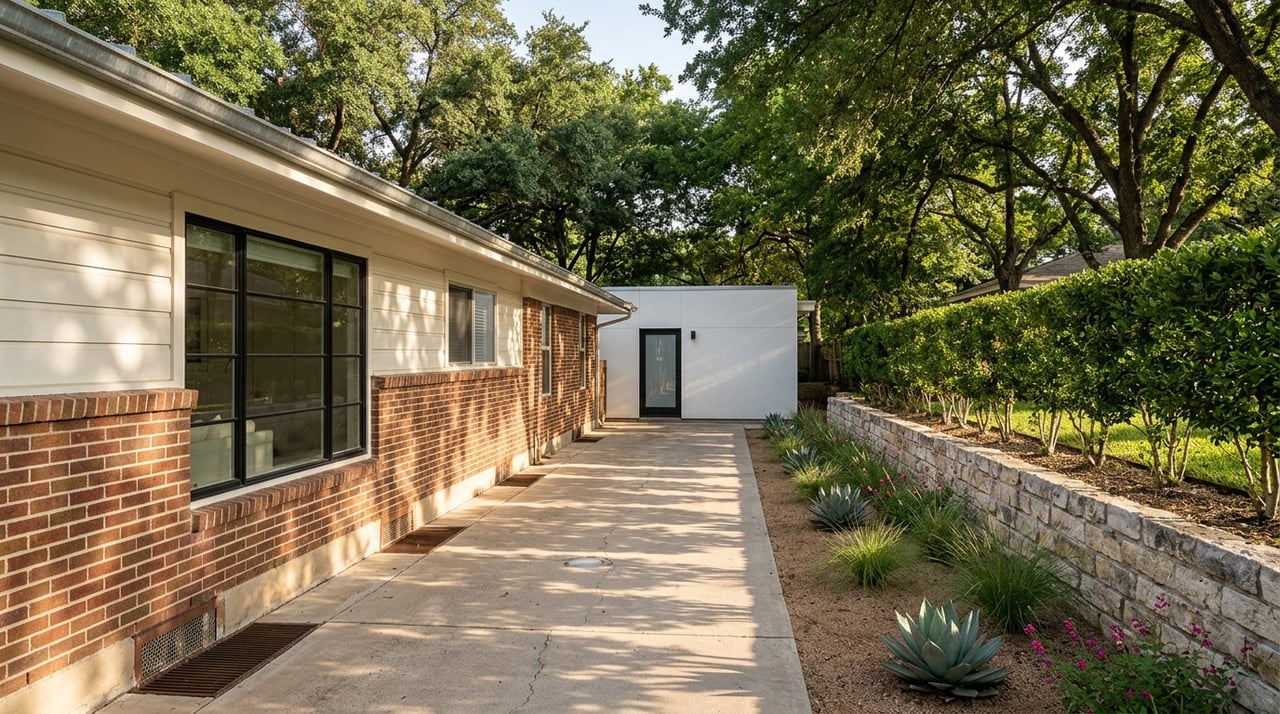
Tarrytown’s small hills and sloping lots can change the economics of a teardown. Grade changes may affect foundation design, drainage solutions, retaining needs, and how much yard area remains usable after construction. A lot that looks straightforward from the street may be much more complex once plans are drawn.
Austin’s review process includes drainage and floodplain, water quality, transportation, environmental review, erosion control, and related mitigation measures. If your property has topographic challenges, those factors can affect both buyer appetite and pricing. That is one reason teardown value is highly site-specific in Tarrytown.
Trees Can Change The Numbers
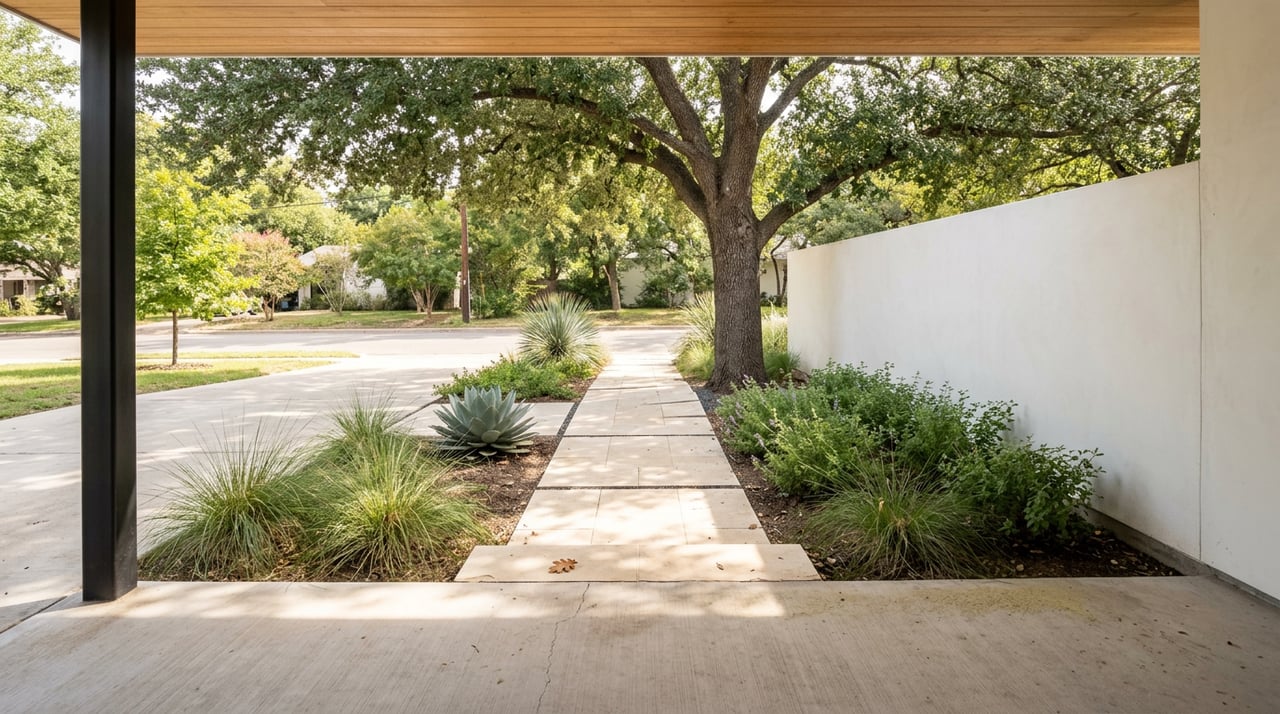
Trees are often one of the biggest value variables on a redevelopment property. In Austin, protected trees on residential property are 19 inches DBH or larger, and some live oaks at 24 inches DBH or larger qualify as heritage trees. If a project involves removing a tree, pruning 25% or more of the canopy, or disturbing the critical root zone, the city requires a Tree Ordinance Review Application.
Trees under 19 inches DBH are not regulated on residential property, but larger trees can significantly limit design options. For a seller, this matters because buyers often price land based on what can realistically be built while preserving required trees. A large protected tree in the wrong location can shrink the buildable envelope and affect offers.
Why Parcel-Specific Prep Matters
In Tarrytown, two nearby homes can have very different redevelopment value. One lot may support a straightforward replacement home, while another may face tree, slope, overlay, or historic review issues that slow down the process. That is why broad neighborhood assumptions usually miss the mark.
If you want to attract serious interest from both end-users and builders, your goal is clarity. The more you can confirm upfront, the easier it is for buyers to assess upside and submit stronger offers with fewer unknowns. Good prep reduces hesitation and puts your property in a better position.
Key Austin Rules Sellers Should Know
Before you market your property as a teardown or lot opportunity, it helps to understand a few city processes that often affect timing and buyer confidence.
Demolition Review And Timing
Austin’s Residential Plan Review covers demolition of single-family, duplex, and two-family houses, along with new construction and additions. The city publishes review times of 5 business days for demolition and 15 business days for new construction or additions. After final approval, permit issuance can still take 1 to 2 days.
The city also recommends confirming with Land Use Assistance that new construction will be permitted at the site before filing a demolition application. For a seller, that is important because buyers may not want to remove an existing home until they have a clearer path to rebuilding.
Historic Review Can Add Steps
Some older properties may trigger additional review. Austin notes that the Historic Landmark Commission can review demolitions, relocations, and some building permits for historic or potentially historic properties. That can bring added notice requirements and public-hearing steps.
This does not automatically stop redevelopment, but it can affect timing and certainty. If your home is older, checking historic status before marketing the property can help you avoid surprises during escrow.
Subdivision Is Separate
Subdivision often comes up when sellers hear buyers mention a lot split or infill potential. In Austin, subdivision approval is separate from zoning and building permits, and the city states that subdivision approval must come before building permits and site plans. Subdivision by itself also does not authorize construction, demolition, or relocation.
That distinction matters if you plan to market a property as a split candidate. If the possibility has not been verified, the better approach is to describe the opportunity carefully and support it with actual city-facing research.
Marketing To Homebuyers Vs Builders
Not every Tarrytown property should be marketed the same way. Some listings will appeal most to buyers who want the current home, its character, and its setting. Others will attract stronger interest from builders or redevelopment-minded buyers who are focused on land value and entitlement path.
End-users often focus on livability, lot feel, mature trees, and how the home works today. Builders tend to focus on land basis, zoning, drainage, tree impacts, and whether the site has a practical buildable envelope. A smart listing strategy often speaks to both audiences without overstating what is possible.
For example, if the current home is serviceable but the lot has notable upside, your pricing and presentation may need to balance present-day utility with future potential. If the existing structure adds little value, the buyer pool may respond better to a lot-focused strategy backed by solid due diligence. This is where development-savvy positioning can make a meaningful difference.
A Practical Pre-Listing Checklist
If you are thinking about selling a Tarrytown property with teardown potential, these are the most useful early steps based on Austin guidance:
- Pull the city Property Profile to help confirm zoning, overlays, and historic status.
- Confirm the site’s zoning and any applicable overlays.
- Review tree impacts, especially protected or heritage trees.
- Check whether subdivision may be possible if that is part of the opportunity.
- Review title for deed restrictions or restrictive covenants that could affect redevelopment.
- Consider whether the property should be marketed to end-users, builders, or both.
Austin notes that some properties have private restrictions that may affect redevelopment, so public zoning information is not always the whole story. The stronger your pre-listing file, the easier it is for buyers to understand the opportunity.
How Sellers Can Maximize Positioning
In a neighborhood like Tarrytown, value is not just about square footage or finishes. It is about how your lot, improvements, and city rules interact. When you understand that intersection, you can avoid underpricing a redevelopment site or overpricing a property with major constraints.
That is especially true in central Austin, where experienced buyers often move quickly once they have enough information. Clean positioning, realistic expectations, and parcel-level insight can help your property stand out for the right reasons. For many sellers, that starts with knowing whether the highest and best use is the current home, a replacement home, or a more specialized infill play.
If you are weighing how to price or present a Tarrytown property, working with a broker who understands both resale and development can help you see the full picture. For tailored guidance on your lot, your buyer pool, and the best way to bring the property to market, connect with Derrik Davis.
FAQs
What makes a Tarrytown lot attractive for teardown buyers?
- Tarrytown lots can attract teardown buyers because the neighborhood has larger median lot sizes than the city dataset cited in Austin’s HOME analysis, along with varied lot patterns, older housing stock, and parcel-specific redevelopment potential.
What Austin rules affect Tarrytown teardown potential?
- Austin rules that commonly affect teardown potential include zoning, setbacks, height limits, impervious cover, floor-to-area ratio, neighborhood compatibility, tree protections, drainage review, and possible historic review.
What tree rules matter for a Tarrytown teardown property?
- On residential property in Austin, protected trees are 19 inches DBH or larger, some live oaks at 24 inches DBH or larger are heritage trees, and certain removal, major pruning, or root-zone disturbance triggers a Tree Ordinance Review Application.
What is the demolition timeline for a house in Austin?
- Austin publishes a 5-business-day review time for demolition applications, and permit issuance can still take 1 to 2 days after final approval.
What should a Tarrytown seller verify before marketing lot split potential?
- A Tarrytown seller should verify whether subdivision is actually possible, because Austin treats subdivision as a separate approval process that must happen before building permits and site plans.
What should a Tarrytown seller check before listing a teardown property?
- A seller should check the Property Profile, zoning, overlays, historic status, tree impacts, possible subdivision path, and any deed restrictions or restrictive covenants before deciding how to market the property.