Looking for a neighborhood that feels calm and tucked away without giving up quick access to central Austin? Rollingwood stands out for exactly that balance. If you want mature trees, everyday park access, and a primarily residential setting just a few miles from downtown, this guide will help you understand what living here is really like. Let’s dive in.
Why Rollingwood Feels Distinct
Rollingwood is a small, built-out city on Austin’s west side, positioned on the west bank of Lady Bird Lake between West Lake Hills and Austin. It sits about four miles southwest of downtown Austin near MoPac and the Bee Caves Road corridor. That location gives you close-in convenience while preserving a quieter, more residential feel.
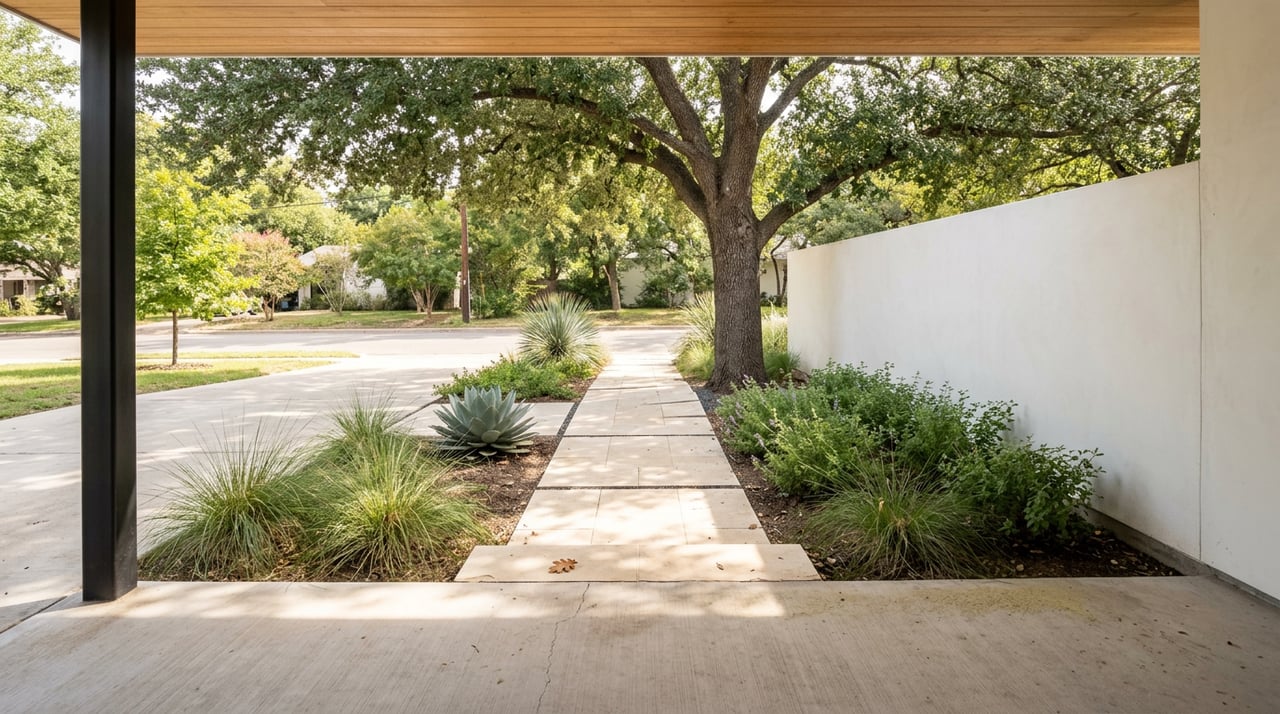
The city’s setting shapes daily life in a noticeable way. Planning documents describe wide streets, mature trees, beautiful yards, and a strong preference for a low-density, single-family environment with small-town character. In practice, that means your surroundings tend to feel established, green, and less hectic than many close-in neighborhoods.
Everyday Life in Rollingwood
One of the clearest themes in Rollingwood is how residential it feels. The city’s planning materials note that residents regularly use neighborhood streets for exercise, dog walking, and biking. That adds to the sense that this is a place where local streets are part of daily life, not just a route from point A to point B.
Because the city is compact and largely built out, Rollingwood often feels cohesive rather than constantly changing. Residential streets sit inward, while most retail and office uses are concentrated along Bee Caves Road. That separation helps the neighborhood stay connected to Austin while keeping its day-to-day rhythm focused on home life.
Park Access and Outdoor Time
If outdoor access matters to you, Rollingwood has a lot going for it. Rollingwood Park is the city’s main green space and sits in the heart of the community. The park includes upper and lower sections, playgrounds, swings, a pavilion, a community garden, a baseball diamond, a pool, and restrooms, with hours from dawn to dusk.
For a small city, park access is especially strong. Trust for Public Land reports that 96% of Rollingwood residents live within a 10-minute walk of a park. That kind of proximity can make it much easier to fit outdoor time into your regular routine.
The location also puts you close to some of Austin’s best-known recreation spots. City planning documents identify nearby destinations including Zilker Park, Barton Springs Pool, the Austin Nature and Science Center, Auditorium Shores, Zilker Botanical Garden, Lions Municipal Golf Course, and the Barton Creek Greenbelt. If you like trails, water, open space, or simply having options nearby, Rollingwood offers a strong launch point.
Nearby Nature Adds to the Appeal
Austin Parks and Recreation says Zilker Metropolitan Park includes more than 350 acres. The Barton Creek Greenbelt offers more than 12 miles of trails, swimming holes, biking, and limestone scenery. Lady Bird Lake also has nearby public bank access points, and the hike-and-bike trail circles almost the entire lower two thirds of the reservoir.
Rollingwood’s physical setting helps explain why natural features feel so central here. The city sits above the Edwards Aquifer and is about one mile from Barton Springs. Creek corridors, water access, and established greenery are not just nice extras in this area. They are part of the neighborhood’s identity.
Housing in Rollingwood
Rollingwood is overwhelmingly a single-family neighborhood. According to the city’s comprehensive plan, single-family residential uses account for 69.4% of land use, and only 1.7% of parcels are vacant. In other words, this is a mature neighborhood with very little empty land left for large-scale change.
That built-out pattern matters if you are thinking about buying here. It often means the neighborhood’s overall character is already well established, with a strong emphasis on larger lots, mature landscaping, and a low-density layout. Buyers who want a more residential setting usually see that as a major plus.
Home Styles and Architectural Mix
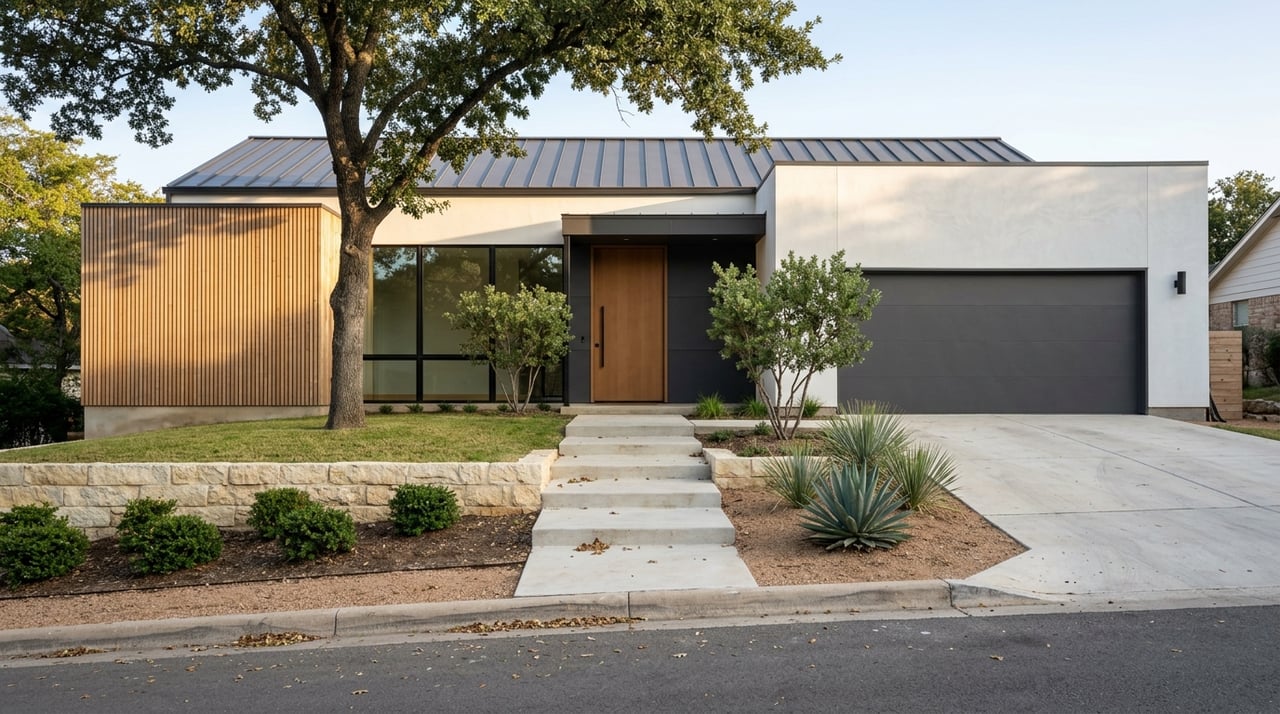
Rollingwood’s homes are not all one look or one era. The city’s planning documents describe older homes that often retain their original character, along with many one- to two-story masonry houses. Newer homes have introduced more contemporary design elements, including linear forms and larger expanses of glass.
That mix gives the neighborhood visual variety. You may see an older home with classic lines on one block and a newer replacement home with a more modern style nearby. The result is a housing stock that feels established but not frozen in time.
Why Some Homes Are Larger and Newer
A key local detail is the installation of the sewer system in 2002. The city notes that this change allowed larger homes than the earlier septic-based pattern. That helps explain why parts of Rollingwood include newer, larger replacement homes alongside the older core housing stock.
For buyers and sellers, that creates an interesting market dynamic. Rollingwood can appeal both to people who value original neighborhood character and to those drawn to updated or newly built homes. Understanding that mix is important when evaluating value, design, and long-term fit.
Convenience Without a Busy Feel
Rollingwood’s commercial activity is largely concentrated along Bee Caves Road. The city’s comprehensive plan says this corridor includes business parks, banks, low-rise office buildings, stores, strip plazas, and local family-owned businesses. The city also describes the area as a growing commercial district with eateries, retail businesses, and professional offices.
That setup gives you practical convenience nearby without turning the entire neighborhood into a mixed-use district. You can stay close to daily essentials while still returning to streets that are primarily residential. For many buyers, that balance is one of Rollingwood’s biggest strengths.
Getting Around From Rollingwood
Location is a major part of the appeal here. Rollingwood is near both MoPac and Bee Caves Road, and it sits only about four miles from downtown Austin. That means you can stay connected to the urban core while living in a smaller, hillside residential setting.
The city also notes its walkable topography and the regular use of streets for walking and biking. At the same time, local planning documents identify traffic and stormwater management as ongoing concerns. Residents have also supported better pedestrian links between residential streets and the Bee Caves Road corridor.
That is worth keeping in mind if you are comparing close-in neighborhoods. Rollingwood offers strong connectivity, but like many desirable central locations, it continues to manage the tradeoffs that come with access and growth.
What Buyers Often Appreciate Most
If you are considering Rollingwood, a few features tend to stand out:
- A compact, established setting with very little vacant land
- Mature trees and wide streets that shape the neighborhood feel
- Strong park access, including Rollingwood Park in the center of the city
- Close proximity to Zilker, Barton Springs, Lady Bird Lake, and the Greenbelt
- A primarily single-family housing pattern with both older homes and newer larger builds
- Quick access to downtown Austin, MoPac, and Bee Caves Road
Taken together, those features create a lifestyle that feels calm, close-in, and outdoor-oriented.
A Few Tradeoffs to Know
No neighborhood is one-size-fits-all, and Rollingwood is no exception. The city’s own planning materials point to recurring concerns around traffic, drainage, and preserving its low-density residential character. Those issues are part of the reality of living in a desirable, close-in area with limited room for expansion.
For many people, that does not take away from the appeal. It simply means Rollingwood is best understood as a neighborhood that actively protects what makes it special. If you value a stable residential environment, that focus may actually be part of the draw.
Is Rollingwood the Right Fit?
Rollingwood can make a lot of sense if you want a close-in Austin location without the feel of a dense urban neighborhood. It offers a quieter daily backdrop, strong access to parks and outdoor recreation, and a housing pattern centered on single-family homes. That combination is not easy to find this close to downtown.
If you are thinking about buying or selling in Rollingwood, local context matters. Block-by-block character, housing age, lot patterns, and the mix of original and newer homes can all shape value and buyer demand. Working with someone who understands those micro-details can help you make a more confident move.
If you want tailored guidance on Rollingwood or other close-in Austin neighborhoods, connect with Derrik Davis for a home valuation and consultation.
FAQs
What is Rollingwood like compared to central Austin neighborhoods?
- Rollingwood is a compact, primarily single-family city with mature trees, wide streets, and a quieter residential feel, while still sitting about four miles from downtown Austin.
What types of homes are common in Rollingwood, Texas?
- Rollingwood includes older homes that often retain their original character, many one- to two-story masonry houses, and newer larger homes with more contemporary design elements.
How close is Rollingwood to parks and outdoor recreation?
- Rollingwood has strong park access, with 96% of residents living within a 10-minute walk of a park, plus close proximity to Rollingwood Park, Zilker Park, Barton Springs, Lady Bird Lake, and the Barton Creek Greenbelt.
Where are shops and services near Rollingwood located?
- Most commercial activity is concentrated along Bee Caves Road, where you will find retail, eateries, professional offices, and other everyday services.
What should buyers know about living in Rollingwood?
- Buyers should know that Rollingwood is largely built out, strongly residential in character, and valued for its low-density setting, outdoor access, and convenient location near downtown Austin.