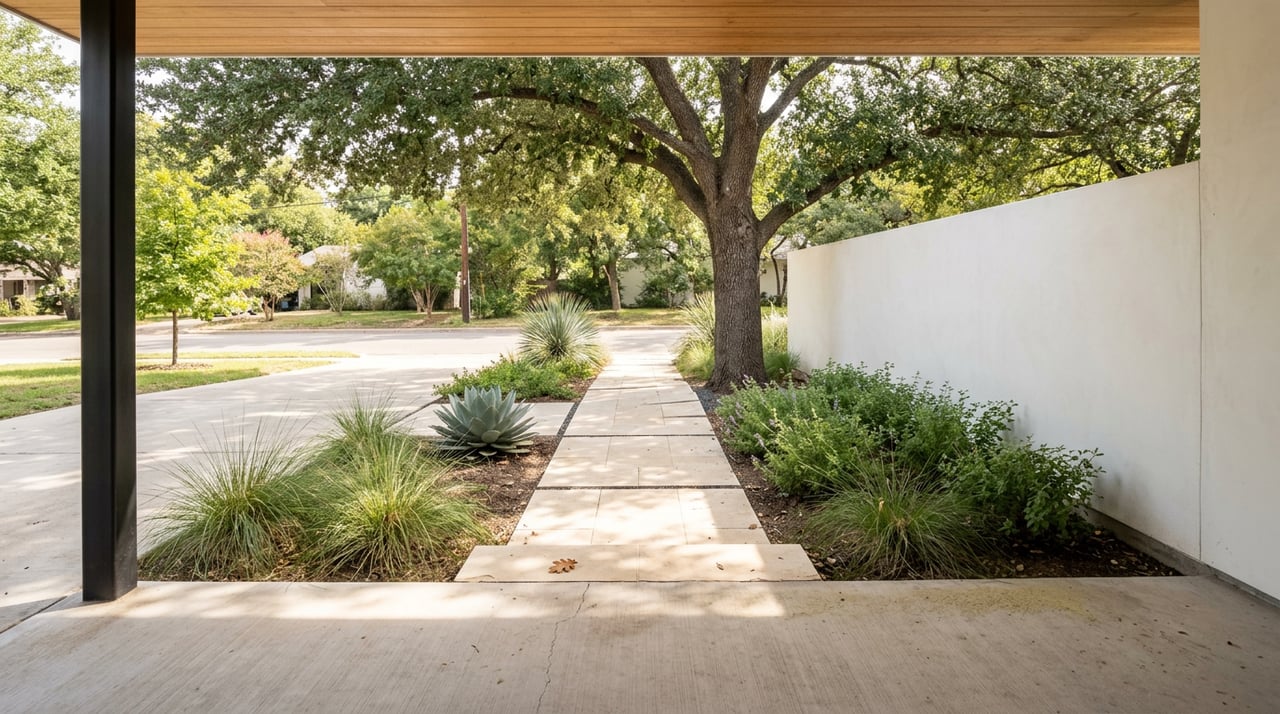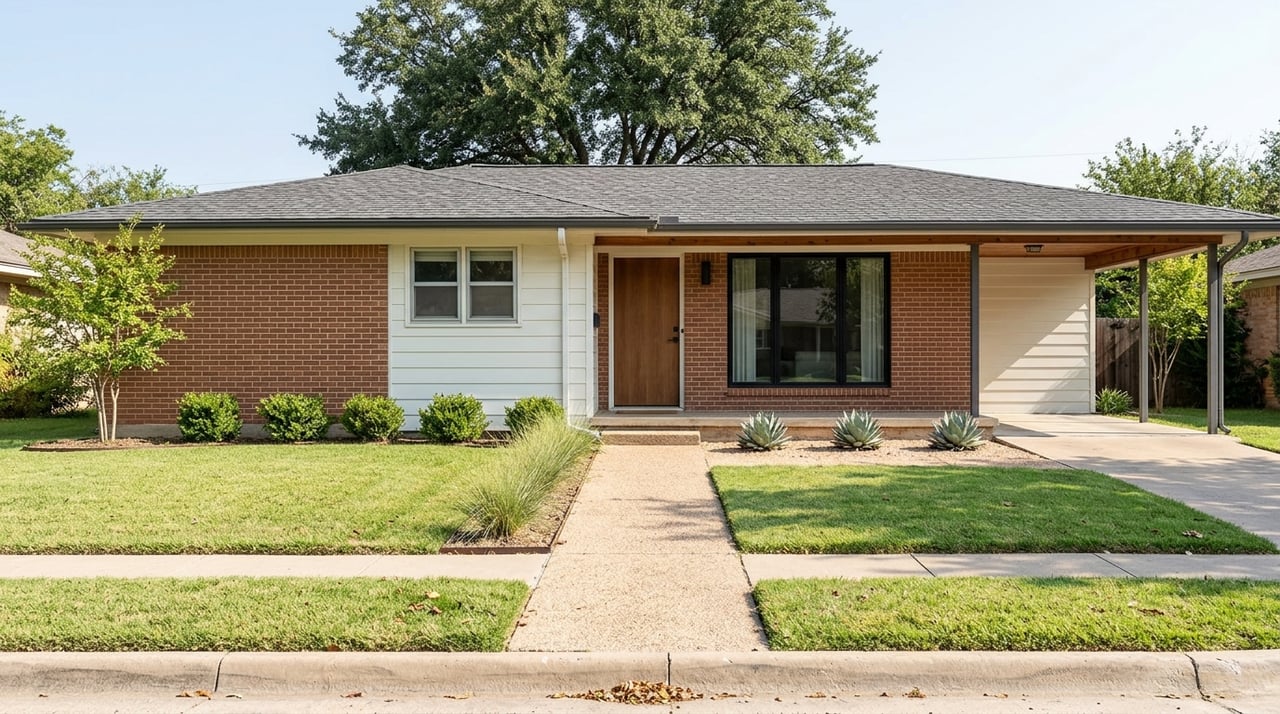
Wondering whether that charming Allandale ranch is a smart buy or a future project in disguise? In a neighborhood known for large lots, mature trees, and mid-century housing, two homes with similar curb appeal can come with very different risks and opportunities. If you are shopping Allandale, this guide will help you look past the finishes, understand what the records may reveal, and evaluate a ranch home with more confidence. Let’s dive in.
Why Allandale Ranch Homes Need a Closer Look
Allandale is a north-central Austin neighborhood known for its central location, large lots, and mature trees. Much of its housing stock consists of ranch-style slab-on-grade homes, with some mid-century modern pockets east of Shoal Creek and south of Greenlawn Parkway. The neighborhood developed in stages starting in 1946, with later sections added in the 1950s.
That history matters when you are evaluating a home today. In practice, many Allandale ranch homes may have original layouts, later additions, and different levels of upkeep or renovation. Two houses on the same street may have very different footprints, system ages, and remodel histories.
Start With Public Records
Before you get attached to a kitchen update or backyard patio, review the property records. In Allandale, the records can tell you a great deal about how a house changed over time and whether those changes match what you see in person.
The City of Austin’s Property Profile is a strong starting point. It can show legal description, building and unit information, permit history, expired permits, annexation history, and aerial imagery with a year slider.
Austin Development Services and Austin Build + Connect can also help you research permits, easements, site plans, certificates of occupancy, variances, and case history. If the home had additions or major system work, approved plan sets for active permits may add useful context.
For older homes, the Austin History Center can be especially helpful. Its House Building Files, plats, Sanborn maps, and historic aerial photos can help you understand the original footprint and later changes.
What to Check Before a Showing
Use records to answer a few basic questions:
- Was the current footprint likely original, or was it expanded later?
- Do the roofline and aerial history suggest an addition or enclosed carport?
- Are there permits for major work like HVAC, roofing, plumbing, or electrical updates?
- Do expired permits suggest unfinished or unresolved work?
- Does the lot sit near creek-related drainage areas or mapped floodplain zones?
Evaluate the Floor Plan, Not Just the Updates
A ranch house is typically a one-level home with a low roof and a long, open rectangular plan. That style can feel easy to live in, but it also means flow matters. In Allandale, later additions can improve a home or interrupt the original layout.
When you tour a property, pay attention to how the rooms connect. A renovated kitchen does not automatically mean the overall plan works well. If a primary suite, office, or family room was added later, make sure the circulation still feels natural.
Signs the Layout May Need More Thought
Look more closely if you notice:
- Bedrooms that open directly into living areas without much separation
- Additions that create awkward hallway turns or step-down transitions
- Living spaces that feel disconnected from the backyard
- Converted carports or garages that reduce functionality elsewhere
- Rooms that seem bright in listing photos but feel dim in person
In a mid-century neighborhood, a clean remodel should still respect how the house lives day to day. That is especially true if you plan to stay long term.
Study Sun, Shade, and Lot Orientation
In Allandale, lot fit matters almost as much as the house itself. The neighborhood’s mature trees and larger parcels can be a real advantage, but they also make sun exposure, drainage, and outdoor usability very property-specific.
Austin’s historic staff report on the Air Conditioned Village is a useful local reminder here. Some mid-century homes in the area were designed with comfort strategies such as deep eaves, clerestory windows, and site-specific cooling features. Those details were not just stylistic choices. They were part of how the home handled light and heat.
If a home still has deep overhangs, original window placement, or a prominent carport form, those features may reveal the original design intent. That can help you decide whether you want a preservation-minded update or a more extensive renovation.
Site Questions to Ask
As you walk the property, consider:
- Which direction does the main living area face?
- Do mature trees create useful shade or block too much natural light?
- Do eaves and windows seem well-positioned for sun control?
- Does the backyard feel usable year-round?
- Does the driveway placement limit future expansion or access?
The city’s aerial imagery tools can help you compare how the lot and roofline changed over time. That is often useful when something about the site feels off but is hard to pinpoint during a short showing.
Check Drainage and Floodplain Early
Drainage should never be an afterthought in Austin. Austin Watershed Protection says about 10 percent of land in the city is in the floodplain, and every creek and lake has a floodplain whether mapped or not.
Because Allandale is within Austin city limits, city tools are the right place to start. The FloodPro tool can show floodplain information, storm-drain infrastructure, elevation certificates, and printable maps.
Red Flags on the Lot
Pay closer attention if you see:
- Noticeable low spots near the slab
- Downhill drainage flowing toward the house
- Erosion patterns or washed-out areas
- Heavy vegetation growth near drainage paths
- Signs that neighboring lots may shed water onto the property
A beautifully updated interior can hide site issues that become expensive later. In many cases, lot drainage is one of the most important parts of due diligence for an older Allandale home.
Focus on Age-Related Systems
Many Allandale homes date to the mid-century period, so age-related wear deserves careful attention. A standard home inspection should review major elements like electrical, gas, plumbing, roofing, insulation, ventilation, heating and cooling systems, foundation, wall structure, exterior grading, and interior components.
If possible, attend the inspection. Walking the home with the inspector gives you a better sense of which items need immediate attention, which may need repair later, and whether specialist follow-up makes sense.
Some issues common in older homes may fall outside a standard inspection. Depending on the property, that can include pests, asbestos, mold, lead, or other conditions that require a separate specialist.
Older-Home Items Worth Extra Attention
In an Allandale ranch, ask more questions about:
- Mixed-era electrical updates
- Galvanized supply pipes
- Roof age and replacement history
- Foundation movement or past repairs
- Window condition and efficiency
- Heating and cooling system age
- Evidence of prior wall or ceiling repairs
Older homes can be excellent properties, but they reward careful, record-based evaluation rather than quick assumptions.
Understand Lead Paint Risk
Lead deserves its own category in pre-1978 homes. The EPA states that homes built before 1978 are more likely to have lead-based paint, and renovation or repair work can create lead dust.
That is relevant in Allandale because many homes were built well before 1978. Before signing, buyers of most pre-1978 housing have the right to know about known lead-based paint hazards.
If you are considering cosmetic work soon after closing, this issue becomes even more important. A simple paint refresh in an older home may require more planning than buyers expect.
Research Remodel Potential Before You Buy
One of the biggest mistakes buyers make in central Austin is assuming they can easily reshape an older home after closing. In Allandale, remodel potential depends on more than lot size or existing square footage.
Austin’s historic rules can matter even if a house does not look obviously historic. The city notes that designated historic properties require review for exterior changes and new construction. The Historic Landmark Commission also reviews certain 45-plus-year-old properties proposed for exterior changes, relocation, or demolition if they may meet landmark criteria.
That does not mean every older home is designated. It does mean you should check before assuming a major exterior remodel or teardown-style transformation will be straightforward.
Before Planning Big Changes
Review these points early:
- Is the home at least 50 years old?
- Does it appear in the Historic Property Viewer or historic resource surveys?
- Do city records show prior exterior additions were permitted?
- Would your plan involve major exterior alterations, relocation, or demolition?
- Do original design features suggest possible historic significance?
For buyers who value optionality, this step can be just as important as the inspection.
A Smart Due-Diligence Sequence
When you are comparing Allandale ranch homes, a clear order of operations can save time and reduce surprises. The goal is to understand the home’s original form, how it evolved, and what that means for your budget and plans.
A practical evaluation sequence looks like this:
- Identify the original footprint and any additions.
- Review permit history and major system updates.
- Check lot orientation, sun exposure, and site drainage.
- Review floodplain information through city tools.
- Complete a full home inspection.
- Bring in specialists if the inspection or records suggest added risk.
- Confirm remodel constraints before assuming future expansion.
In a neighborhood like Allandale, the gap between a polished resale and a costly project often shows up in the records before it shows up in the finishes.
If you want experienced guidance on evaluating older central Austin homes, working with a local broker who understands neighborhood history, lot dynamics, and remodel potential can make the process much clearer. When you are ready to talk through Allandale opportunities, connect with Derrik Davis.
FAQs
What makes Allandale ranch homes different from newer Austin homes?
- Many Allandale homes were built in the mid-century period and may have original layouts, later additions, and varying levels of updates, so buyers should evaluate records, systems, and site fit more closely.
What Austin records should you review before buying an Allandale ranch home?
- Start with Austin’s Property Profile, Austin Build + Connect, and Austin Development Services records, then use the Austin History Center for older building files, historic maps, and aerial photos.
How do you check flood risk for an Allandale property?
- Use the City of Austin’s FloodPro tool to review floodplain information, storm-drain infrastructure, elevation certificates, and related maps for the property.
What should a buyer inspect in an older Allandale ranch home?
- Focus on electrical, plumbing, roofing, HVAC, foundation, grading, windows, and signs of age-related wear, then consider specialists for issues such as mold, pests, asbestos, or lead.
Why does lead paint matter in Allandale homes?
- Because many Allandale homes were built before 1978, they may be more likely to contain lead-based paint, and renovation work can create lead dust.
Can historic rules affect an Allandale remodel project?
- Yes. Some older Austin properties may be subject to historic review for certain exterior changes, relocation, or demolition, so buyers should research that before planning major work.