Looking for a neighborhood where your weekend can start under a canopy of mature trees and end a few blocks from live music, local shops, and iconic Austin energy? Travis Heights and South Congress offer that rare mix. If you are trying to picture what daily life here actually feels like, this guide will help you understand the rhythm, lifestyle, and housing context that make this part of central Austin stand out. Let’s dive in.
Why Travis Heights Feels Different
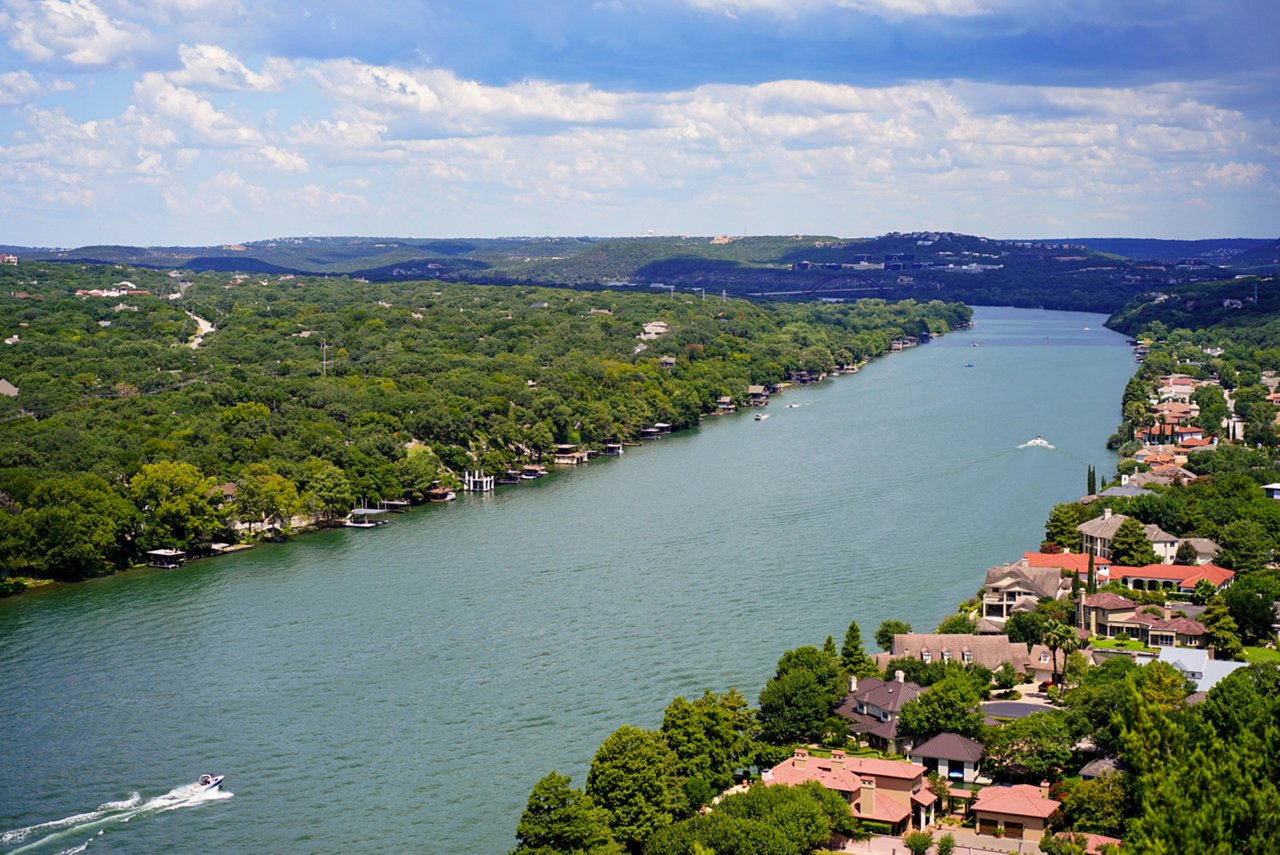
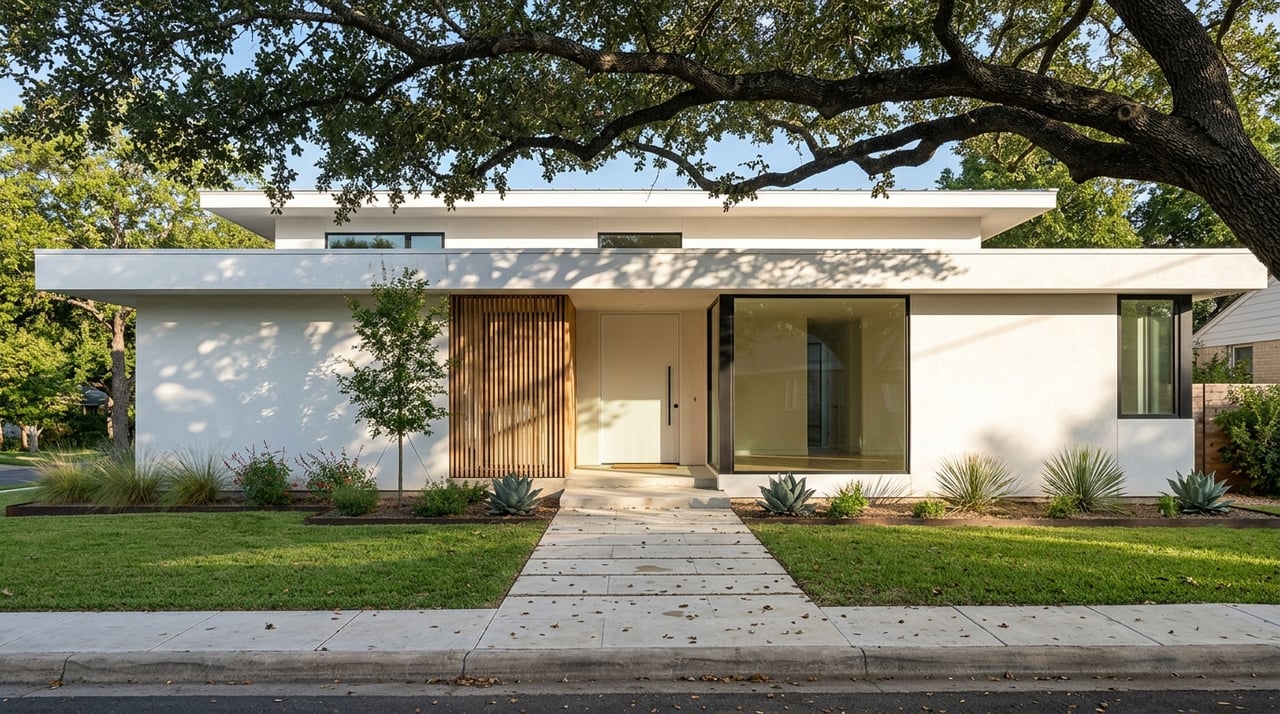
Travis Heights has a distinctly established South Austin feel. The neighborhood is known for winding streets, wooded trails, creek corridors, and a broad mix of home styles that stretch from late-1800s Victorians to 1970s Mid-Century Modern homes.
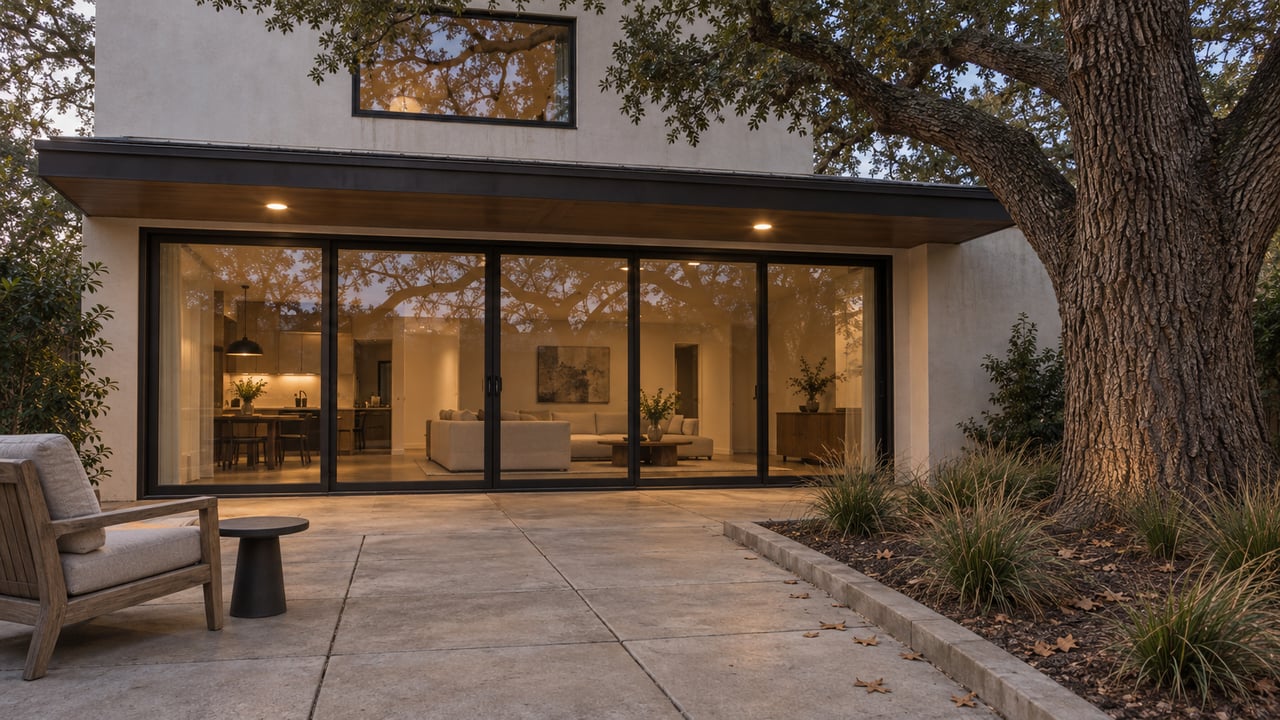
That variety shapes the experience of living here. Instead of a uniform streetscape, you get blocks with older bungalows, historic homes, and later-era architecture layered into a greener, more natural setting. It feels residential and tucked away, even though South Congress is close by.
For many buyers, that contrast is the draw. You can be near one of Austin’s best-known retail and dining corridors while still living in a neighborhood that feels quieter, more shaded, and more rooted in local history.
Saturday Morning in Travis Heights
Start with the trail
A classic Saturday morning here often begins at the Ann and Roy Butler Hike-and-Bike Trail at Lady Bird Lake. The City of Austin describes it as a 10-mile trail, and the boardwalk closes a 1.3-mile gap along the south shore.
For you as a resident, that means easy access to one of the city’s most established outdoor routines. Whether you prefer a walk, run, or slower coffee-paced stroll, the lake and trail system give the weekend an active start without needing a long drive.
Explore Blunn Creek
If you want something a little quieter, Blunn Creek Greenbelt adds a more tucked-away option. City materials describe Blunn Creek as a direct tributary of the Colorado River, with many stretches that remain in a natural state and include mature sycamore and live oak trees.
Blunn Creek Preserve at 1200 St. Edwards Drive is described by the city as a peaceful hiking spot surrounded by busy city streets. That contrast says a lot about this pocket of Austin. You are close to urban activity, but small natural spaces still shape the neighborhood experience.
Know the Stacy parks
Big Stacy Neighborhood Park and Little Stacy Neighborhood Park are part of the local weekend rhythm. Big Stacy is at 700 E Live Oak, and Little Stacy is at 1500 Alameda.
Both parks also offer free outdoor swimming facilities. Big Stacy Pool functions as a 33-yard outdoor pool, while Little Stacy includes a 20-yard outdoor wading pool.
These are the kinds of amenities that make the area feel lived-in rather than just visited. They support a neighborhood routine that is active, casual, and very local.
Saturday Afternoon on South Congress
Walk into SoCo energy
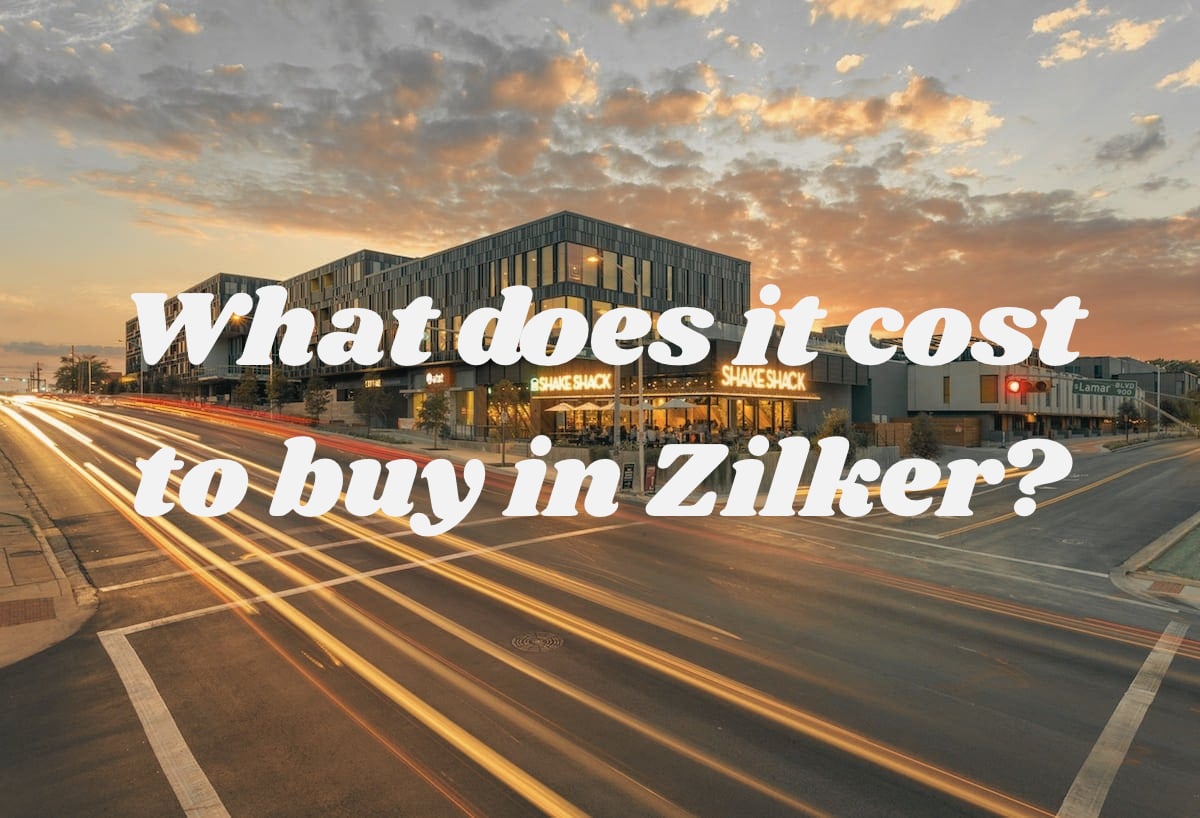
South Congress brings a different pace. The South Congress Public Improvement District describes the corridor as a quintessential Austin strip running from Nellie to Annie Street, with local shops, murals, restaurants, live music, and hotels.
If Travis Heights is the calm side of the weekend, South Congress is the social side. You can spend the afternoon browsing independent retail, stopping for coffee, grabbing dinner, or staying out for music without needing a big itinerary.
Expect a pedestrian-friendly corridor
Part of what makes South Congress appealing is how it is built for street-level activity. Austin’s neighborhood plan calls for buildings close to the street and shop windows at pedestrian level, which helps the corridor feel walkable and visually engaging.
That planning shows up in the experience. Even a simple walk along the avenue can feel like an event because there is so much happening at eye level, from storefronts and murals to patios and people watching.
Recognize the local anchors
The district highlights well-known stops like Jo’s Coffee, The Continental Club, Güero’s Taco Bar, Hotel San Jose, and Allen’s Boots. Together, those places help define the identity of SoCo as a mixed-use corridor with both longtime Austin character and steady visitor appeal.
For you as a buyer, that means more than entertainment. It means living near a corridor with a strong sense of place, recognizable landmarks, and an established pattern of activity that continues to anchor the area.
Sunday Has a Slower Rhythm
One of the best parts of Travis Heights is that Sunday does not need to be ambitious. You can keep it close to home, whether that means a walk beneath the trees, a trip to the park, or time at one of the free outdoor pools.
That slower pace matters. Even with South Congress nearby, the neighborhood still reads as residential and local rather than nonstop commercial.
For many people, that balance is what turns interest into action. You are not just buying proximity to Austin hotspots. You are buying into a weekend pattern that can flex between energy and calm.
What Buyers Should Know About Homes
Expect architectural variety
Travis Heights is not a one-style neighborhood. The historic association describes it as one of Austin’s most diverse surviving collections of historic architectural styles.
In practical terms, that means the visual story is led by older bungalows and historic homes, with later-era styles also part of the mix. If you value character, lot variation, and homes that do not all look the same, this area tends to deliver that.
Understand the preservation angle
If you are renovation-minded, it is important to understand that some homes may come with added review requirements. The Travis Heights-Fairview Park area includes one local historic district, the Mary Street Local Historic District.
According to the City of Austin, exterior changes to contributing properties and all new standalone construction in a local historic district require review. Contributing rehabilitations may also qualify for a city tax abatement.
This does not mean you should avoid the area. It simply means you should understand the property-specific rules before making plans for remodeling, additions, or new construction.
What the Market Snapshot Suggests
Price points can vary widely
Because the housing stock is so varied, pricing snapshots are best understood as a range rather than one fixed number. Redfin reports a median sale price of $725,000 over the last three months, with about 56 days on market, and notes that some homes receive multiple offers.
NeighborhoodScout places the neighborhood’s median real estate price at $1.22 million. Taken together, those figures suggest a high-value market with meaningful spread between smaller older homes and larger or more updated properties.
Lifestyle drives demand here
The appeal of Travis Heights is not only about square footage or finish level. Buyers are often responding to the location, canopy, access to trails and parks, and the short connection to South Congress.
That is why hyperlocal guidance matters in this area. In a neighborhood with architectural variety, preservation considerations, and a wide pricing range, the details of each block and property can have a real impact on value.
A Practical Note on Parking
If your weekend plans include driving to South Congress, it helps to plan ahead. The City of Austin has implemented paid parking and ParkATX in parts of the district to address long-standing parking issues.
That does not take away from the appeal of the corridor, but it does affect how people move through it. If you live nearby, the ability to walk over can feel like an even bigger lifestyle advantage.
Why This Area Stands Out
Travis Heights and South Congress work so well together because they give you two different versions of Austin within a short distance. One side is shaded, historic, and neighborhood-oriented. The other is active, walkable, and full of independent businesses, murals, and music.
For buyers who want central Austin access without giving up a strong neighborhood feel, that is a compelling combination. And for sellers, it helps explain why the area continues to draw attention from people looking for both lifestyle and long-term value.
If you are thinking about buying or selling in Travis Heights or anywhere around South Congress, working with a brokerage that understands the block-by-block differences can make a real difference. For hyperlocal guidance and boutique, owner-led service in central Austin, connect with Derrik Davis.
FAQs
What is weekend life like in Travis Heights, Austin?
- Weekend life in Travis Heights often centers on outdoor time, neighborhood parks, quieter residential streets, and easy access to South Congress for dining, shopping, murals, and live music.
What parks and outdoor spots are near Travis Heights?
- Nearby outdoor spots include the Ann and Roy Butler Hike-and-Bike Trail at Lady Bird Lake, Blunn Creek Greenbelt, Big Stacy Neighborhood Park, and Little Stacy Neighborhood Park.
What makes South Congress appealing for Travis Heights residents?
- South Congress offers a walkable mixed-use corridor with local shops, restaurants, murals, hotels, and live music, giving residents an easy way to enjoy a more active side of Austin.
What types of homes are common in Travis Heights?
- Travis Heights is known for architectural variety, including older bungalows, historic homes, and later-era styles such as Mid-Century Modern homes.
What should buyers know about historic district rules in Travis Heights?
- Buyers should know that the Mary Street Local Historic District has review requirements for exterior changes to contributing properties and for new standalone construction within the district.
Is parking difficult on South Congress in Austin?
- Parking can be more managed and competitive in parts of South Congress because the City of Austin has added paid parking and ParkATX in the district.
How competitive is the Travis Heights housing market?
- Recent research suggests Travis Heights is a high-value market with a broad price range, about 56 days on market in one recent snapshot, and some homes receiving multiple offers.