What an Austin Home Inspection Actually Flags
Transaction Basics · August 2026
The short answer: your report will be long and it will use the word "deficient" many times, because Texas inspectors work from a standardized form where a missing outlet cover and a failing foundation get the same checkbox. The skill is sorting findings into three piles — real negotiating leverage, normal for the age of the house, and reasons to walk. On central Austin's older stock, the items that actually matter are foundation, drain lines, wiring, HVAC and drainage.
First-time buyers read an inspection report and want to terminate. Experienced buyers read the same report and pick three things. Here's how to tell which findings are which on a central Austin house, and what a standard inspection doesn't cover.
Talk Through a ReportCall (512) 608-8811
TREC Standard Form Same checkbox for trivial and serious | 3 Piles to Sort Into Leverage, normal for age, or walk away | 5 Items That Matter Here Foundation, drains, wiring, HVAC, drainage | EXTRA Specialty Inspections Sewer scope and termite aren't included |
Why the Report Reads Worse Than It Is
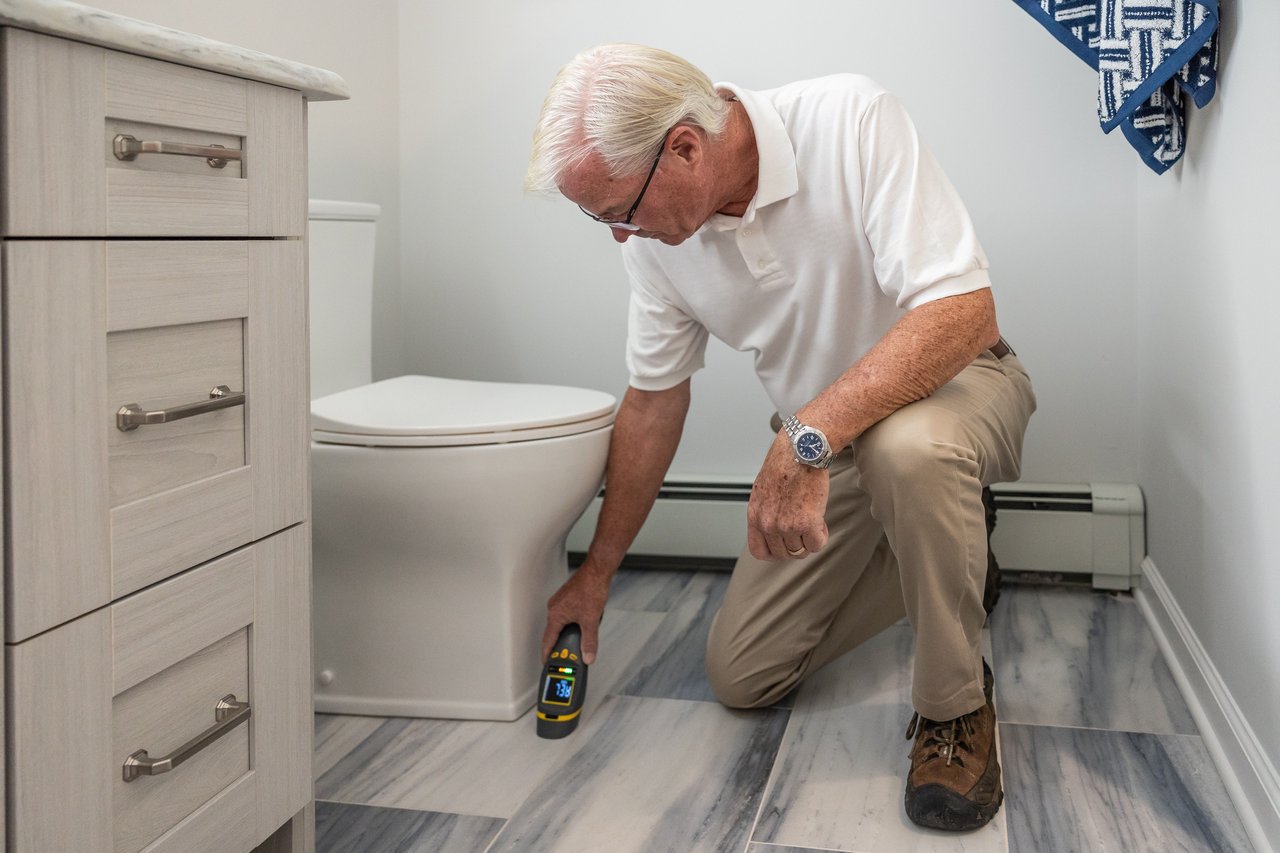
Texas inspectors are licensed by TREC and work from a standardized report form. Each item gets marked inspected, not inspected, not present, or deficient — and that last checkbox is doing enormous work. A loose railing, a GFCI outlet that didn't trip, a downspout discharging too close to the house and a cracked slab all land in the same column.
The standardization is genuinely good for consumers, because it means reports are comparable and nothing important gets quietly omitted. It also means a forty-page report on a well-maintained 1965 house can contain fifty deficiencies and describe a perfectly sound property.
So read for severity rather than count. And walk the inspection if you can — an hour on site with the inspector, asking "how serious is this one" as you go, is worth more than any amount of reading afterward.
The question that sorts everything: "what does this cost to fix, and what happens if I don't?" A finding with a four-figure repair cost and a consequence of "eventual water damage" is leverage. A finding with a $40 repair cost and a consequence of "mild inconvenience" is a to-do list item. A finding where the inspector can't estimate either is the one that needs a specialist before you decide anything.
Central Austin's Greatest Hits, by Era
Finding | Common In | How Seriously to Take It |
|---|---|---|
Foundation movement | Any age, expansive clay is universal here | Very. Get an independent structural engineer, not a repair company, before you negotiate anything. |
Cast iron drain lines | Mid-century construction | Very. They corrode and eventually fail. Under a slab, replacement is a major project. Get a sewer scope. |
Aluminum branch wiring | Houses wired in the late 1960s and early 70s | Seriously. Connections can loosen over time. Remediation exists and is well established, but price it. |
Older electrical panels | Mid-century houses with original panels | Seriously. Certain older panel brands have documented performance concerns and inspectors flag them. Replacement is a defined, known cost. |
Polybutylene supply piping | Late 1970s through mid 1990s | Seriously. Gray plastic piping with a history of failures. Can affect insurance. |
HVAC at end of life | Any house where the system is 15+ years old | Moderately. A known replacement cost on a known horizon. Legitimate leverage, rarely a dealbreaker. |
Drainage and grading | Everywhere, especially sloped Barton Hills and Travis Heights lots | More than people do. Cheap to fix now, and it's the leading cause of the foundation problems that aren't cheap. |
Roof at end of life | Any age | Moderately. A number, not a mystery. Central Texas hail makes roof age worth confirming against insurance history. |
Original single-pane windows | Pre-war and mid-century stock | Lightly. An efficiency and comfort issue rather than a defect. Sometimes a character asset worth keeping. |
Tree limbs over the roof | Barton Hills and anywhere with mature canopy | Lightly. Trimming, not a negotiation. Worth doing promptly. |
General guidance on common findings in central Austin housing stock. Severity depends entirely on the specific property and the specific condition. A licensed Texas inspector and, where warranted, the relevant specialist should evaluate any actual property.
What a Standard Inspection Doesn't Cover
This surprises people, and the omissions are frequently the expensive items.
Sewer line condition. A general inspector doesn't put a camera down your drain line. On any mid-century central Austin house, a sewer scope is a few hundred dollars that can save you five figures. This is the specialty inspection I'd argue most strongly for on older stock.
Structural engineering. An inspector can note that a foundation appears to have moved. They don't specify a repair scope. That takes a licensed structural engineer, and their report is what contractors bid against.
Wood-destroying insects. Termite inspection is typically a separate report by a separately licensed inspector, though many will perform both. In Central Texas, get it.
Pools and spas, septic systems, wells. Generally separate specialty inspections where applicable.
Anything concealed. Inspectors report on what's visible and accessible. They don't open walls, move heavy furniture or enter unsafe crawl spaces. If the crawl space access was blocked or the attic was inaccessible, the report will say so — and that's a gap you should notice rather than skim past.
Sorting the Report
Real leverage: anything structural, anything involving active water intrusion, systems at or past end of life with four-figure replacement costs, safety issues, and anything that could affect financing or insurability. These are legitimate to raise and most sellers expect them.
Normal for the age: minor settlement cracking consistent with the vintage, cosmetic wear, dated but functional fixtures, small deferred maintenance items, original windows, a water heater in year eight. Raising a long list of these dilutes the items that matter and makes a seller defensive on exactly the points where you needed them cooperative.
Reasons to walk: active structural movement with no clear cause, extensive water damage with unknown scope, an accumulation of major systems all failing simultaneously, evidence of unpermitted structural work, or a seller who refuses reasonable access for a specialist to evaluate something the inspector flagged. That last one is the clearest signal on the list.
Sitting on a report and not sure what matters?
Option periods are short, and the difference between a well-aimed request and a scattershot one usually decides how a seller responds. The Davis Agency has read a great many central Austin inspection reports since 2006.
How to Ask for Repairs
Fewer items, better chosen. A request for three significant repairs reads as reasonable. A request for twenty-two items including light bulbs reads as a buyer looking for a discount, and sellers respond to it accordingly.
Attach the evidence. The relevant report pages, the specialist's assessment, the contractor estimate. A number with documentation behind it is much harder to argue with than a number without.
Decide whether you want money or the work done. A credit lets you choose the contractor and control the scope, which usually produces a better result. Seller repairs get it finished before you own it, but the seller is incentivized toward the cheapest bid that satisfies the requirement. On anything significant, most experienced buyers prefer the credit.
Know your own tolerance before you start. If you'd buy the house anyway, a hard-line request risks a relationship you'll need again at the appraisal. If you genuinely would walk, say so plainly. Bluffing is how deals die by accident.
If You're Selling
A pre-listing inspection is worth considering on any house over about thirty years old, which in central Austin is most of them.
It costs a few hundred dollars and buys you control. You learn what a buyer's inspector will find, you can address the items worth addressing on your own schedule with your own contractors, and you can price with knowledge instead of reacting to a report under time pressure. It also means fewer surprises during the option period, which is where deals most often fall apart.
Worth knowing that Texas sellers have disclosure obligations regarding known defects, so anything you learn generally has to be disclosed. That's a reason to fix things rather than a reason not to look — a documented repair is a much better story than an undisclosed problem discovered by someone else's inspector.
Frequently Asked Questions
What do home inspectors look for in Austin?
Texas inspectors work from a standardized TREC report form covering structural systems, electrical, HVAC, plumbing, appliances and optional systems. In central Austin specifically, the findings that matter most are foundation movement from expansive clay soil, aging cast iron drain lines in mid-century houses, older branch wiring and electrical panels, HVAC nearing end of life, and drainage or grading issues that cause foundation problems over time.
Is a sewer scope worth it in Austin?
On mid-century housing stock, yes — it's arguably the highest-value specialty inspection available. Cast iron drain lines common in that era corrode and eventually fail, and under a slab foundation replacement is a major project involving either cutting through finished floors or rerouting the system overhead. A general home inspection does not include a camera inspection of the drain line.
What should I ask the seller to fix after an inspection?
Concentrate on structural issues, active water intrusion, safety concerns, systems at end of life with significant replacement costs, and anything that could affect financing or insurability. Cosmetic wear, minor deferred maintenance and items normal for the age of the house dilute a request. Attach supporting documentation — report pages, specialist assessments, contractor estimates — and decide in advance whether you want a repair credit or the work completed before closing.
Does a long inspection report mean the house is bad?
Not necessarily. The standardized Texas form marks items as deficient whether the issue is a missing outlet cover or a failing foundation, so a well-maintained older house can generate dozens of deficiencies and still be structurally sound. Read for severity and cost rather than item count, and attend the inspection if you can so you can ask the inspector how serious each finding actually is.
Related Reading from The Davis Agency
→ Foundation Problems Mid-Transaction: What Happens Next
→ Pier-and-Beam vs. Slab in Central Austin's Older Neighborhoods
Heading Into an Option Period?
The inspection window is short and most of what happens next is decided by how the report gets read in the first day or two. The Davis Agency has guided Austin buyers and sellers through this since 2006.
Start the ConversationCall (512) 608-8811
Derrik Davis · Broker/Owner, The Davis Agency · CLHMS Certified · TREC License #558841 · Serving 78704 and the greater Austin luxury market since 2006. This article is general information and is not inspection, engineering or legal advice. Engage a licensed Texas inspector and appropriate specialists for any specific property.