Westlake vs. Barton Hills for Luxury Buyers
Neighborhood Guide · August 2026
The short answer: three things separate them — school district, lot size and ceiling. Barton Hills is Austin ISD with lots running 0.22 to 0.41 acres and a market that tops out near $5 million. West Lake Hills is Eanes ISD, an incorporated city with substantially more acreage, a lower property tax rate, and a range extending past $10 million. Barton Hills buys you five minutes closer to downtown and a neighborhood you can partly walk. Westlake buys you the district and the land.
This is the comparison that most central Austin luxury buyers actually run, and it's a genuinely different question from choosing between two 78704 neighborhoods. You're crossing a river, a school district line and a tax jurisdiction all at once. Here's how the trade actually works.
Tour Both SidesCall (512) 608-8811
AISD / EANES The Dividing Line For many buyers this decides it outright | $5M / $10M+ Where Each Tops Out Barton Hills near $5M, Westlake well beyond | 5 MIN Commute Difference Smaller than most buyers expect | LOWER 78746 Tax Rate Meaningfully so — verify current rates |
Side by Side
Factor | Barton Hills | West Lake Hills |
|---|---|---|
School district | Austin ISD, with Barton Hills Elementary in the neighborhood | Eanes ISD — the primary reason most buyers look here |
Typical lot | 0.22 to 0.41 acres — large for central Austin, modest by Westlake standards | Substantially larger, with hillier terrain and more separation between houses |
Land basis | $900,000 to $1.4 million | Varies widely with acreage, view and elevation |
Market range | New construction generally to about $5 million, with rare exceptional homes higher | Roughly $1.2 million to $10 million and above, with a small waterfront tier running far higher |
Governance | A neighborhood within the City of Austin | An incorporated city with its own government and zoning |
Property tax | Central Austin rates | Meaningfully lower — confirm the current combined rate by address |
Commute downtown | Roughly five to ten minutes off-peak | Roughly ten to fifteen minutes off-peak |
Walkability | Partial — parts of the neighborhood reach Barton Springs Road and the greenbelt on foot | Car-dependent by design. Topography and lot sizes don't support much walking. |
Inventory | Thin. A small neighborhood with few listings at any given moment. | Considerably deeper, across a much wider price range |
Ranges reflect general market conditions at the time of writing. Individual properties vary substantially by lot, slope, view, condition and street. Tax rates are set annually and school boundaries are set by the districts — confirm both for any specific address.
The Schools Question, Honestly
For a large share of buyers running this comparison, the school district isn't one factor among several — it's the whole decision, and everything else is rationalization afterward. Worth being clear-eyed about whether that's you.
Eanes ISD has a long-standing reputation and consistent district-wide performance, and that consistency is the actual product. Families who choose it are frequently buying predictability across thirteen years and multiple children rather than betting on a single strong campus.
Barton Hills has its own well-regarded elementary school inside the neighborhood, and Austin ISD's central campuses have real strengths. What it doesn't offer is the same district-level uniformity, and AISD attendance boundaries are reviewed annually and can change — a consideration if you're planning a long horizon around a specific campus.
The honest framing: if district consistency is genuinely your priority and you're planning to be there through high school, Westlake answers that in a way Barton Hills doesn't. If you're flexible, considering private options, or your children are past the relevant years, the district question deserves far less weight than it usually gets — and Barton Hills becomes much more competitive.
The commute difference is smaller than the mythology. Buyers frequently talk about Westlake as though it's a suburb, and it isn't — you're looking at something like five extra minutes to downtown off-peak versus Barton Hills. What changes isn't the drive time to work. It's that everything else becomes a drive too. In Barton Hills you can walk to Barton Springs Road or a greenbelt trailhead from parts of the neighborhood. In Westlake, dinner, coffee and the trail are all car trips. That's the real daily-life difference, and it has nothing to do with the commute.
The Ceiling Difference Matters Above a Point
Below roughly $4 million, both neighborhoods offer real options and the choice is about lifestyle and schools. Above it, the comparison changes shape.
Barton Hills tops out near $5 million, with a small number of genuinely exceptional properties — large greenbelt-backing lots, mostly — trading higher. That's a thin tier, and it exists because the neighborhood's lots, generous by central Austin standards at 0.22 to 0.41 acres, are still modest compared to what's available across the river.
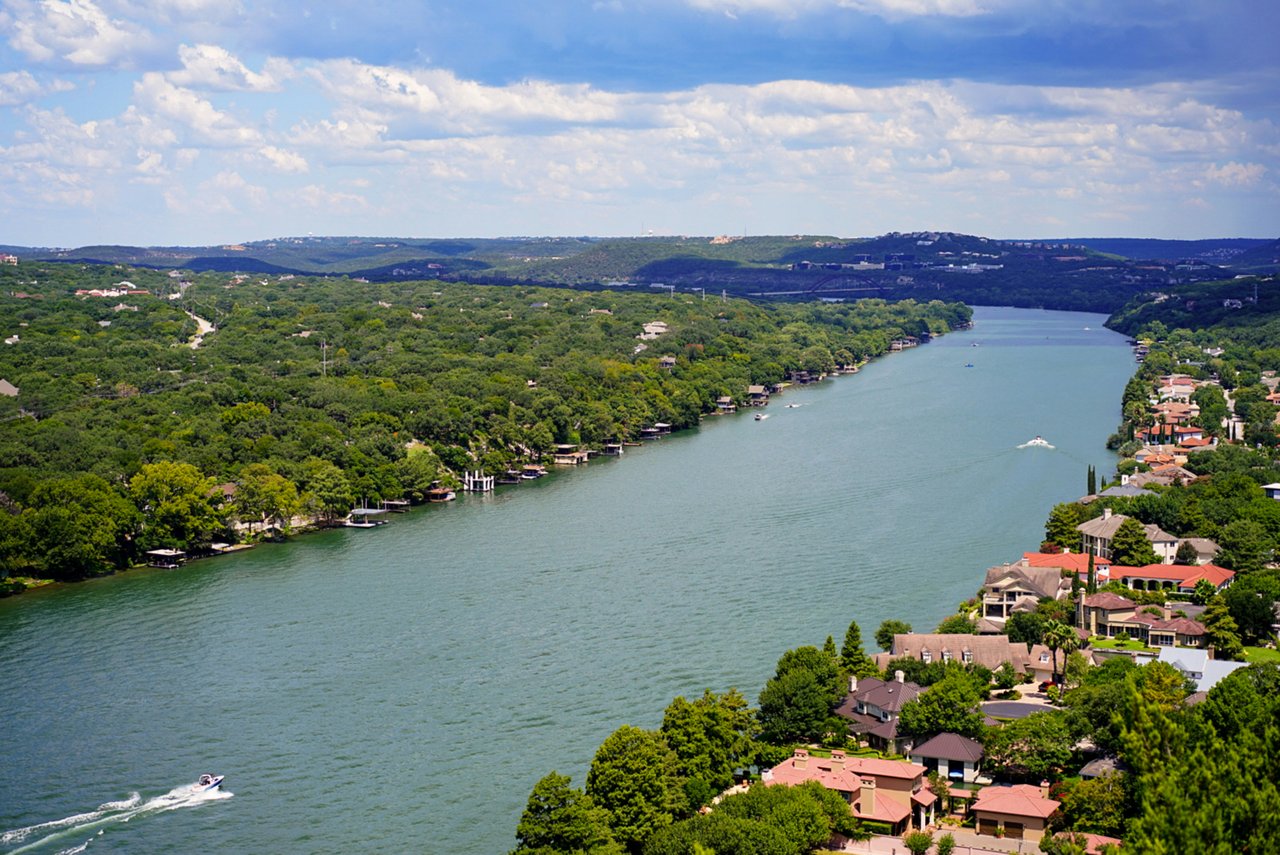
The Westlake side runs well past $10 million, because it has the land to support it — acreage, elevation, hill country views and the kind of separation between houses that a central Austin neighborhood structurally cannot deliver.
A small number of Lake Austin waterfront properties sit well above even that, with current listings reaching into the tens of millions. That's a genuine outlier tier representing a very small share of the market, and worth knowing about mainly because it explains the headline numbers people occasionally see attached to the area. It isn't what the Westlake market is.
So the practical reading: between $2 and $4 million you have genuine choices on both sides and the decision is about how you want to live. Above $5 million, Barton Hills largely doesn't have a tier and the comparison resolves itself.
Running the Tax Math
The 78746 property tax rate runs meaningfully below central Austin's, and on a house in this price range that's a substantial recurring number — one that never amortizes the way a mortgage does.
Worth doing properly rather than approximately. Calculate it on the actual parcels you're comparing, using each one's assessed value and the current combined rate for its specific taxing entities. Rates vary within 78746 itself depending on whether a property sits inside an incorporated city, so a neighborhood average isn't good enough. Factor the homestead exemption if it'll be your primary residence.
Then hold the annual difference against what you're giving up on the other side — the walkability, the five minutes, the proximity to the greenbelt and the park. For some households the tax savings fund exactly the lifestyle they wanted anyway. For others, the number is real and still doesn't move them.
Weighing both sides of the river?
The Davis Agency works central Austin and 78746 both — Barton Hills, Zilker, Bouldin and Travis Heights alongside Westlake, Rollingwood and Westwood. That means a straight comparison rather than a pitch for whichever side we happen to list in.
Building on Either Side
If you're planning a custom build rather than buying finished, the regulatory picture differs and it's worth understanding early.
Barton Hills is governed by City of Austin rules — impervious cover capped at 45 percent of the lot, floor-to-area ratio at 40 percent, the Subchapter F envelope shaping the massing, and Austin's tree ordinance protecting anything 19 inches or larger with heritage protection at 24 inches for listed species. Hard construction costs run $500 to $600 per square foot, above the rest of 78704, driven by slope, tree protection and the specification level the neighborhood supports.
West Lake Hills is its own incorporated city with its own zoning and development regulations. Whatever you've learned about building in Austin does not automatically transfer, and the hill country topography brings its own cost drivers — steeper sites, more significant foundation and retaining work, longer utility runs, harder site access.
In both cases the discipline is the same: survey, tree assessment and a feasibility read before design, not after. The difference is which rulebook you're reading.
Who Each One Suits
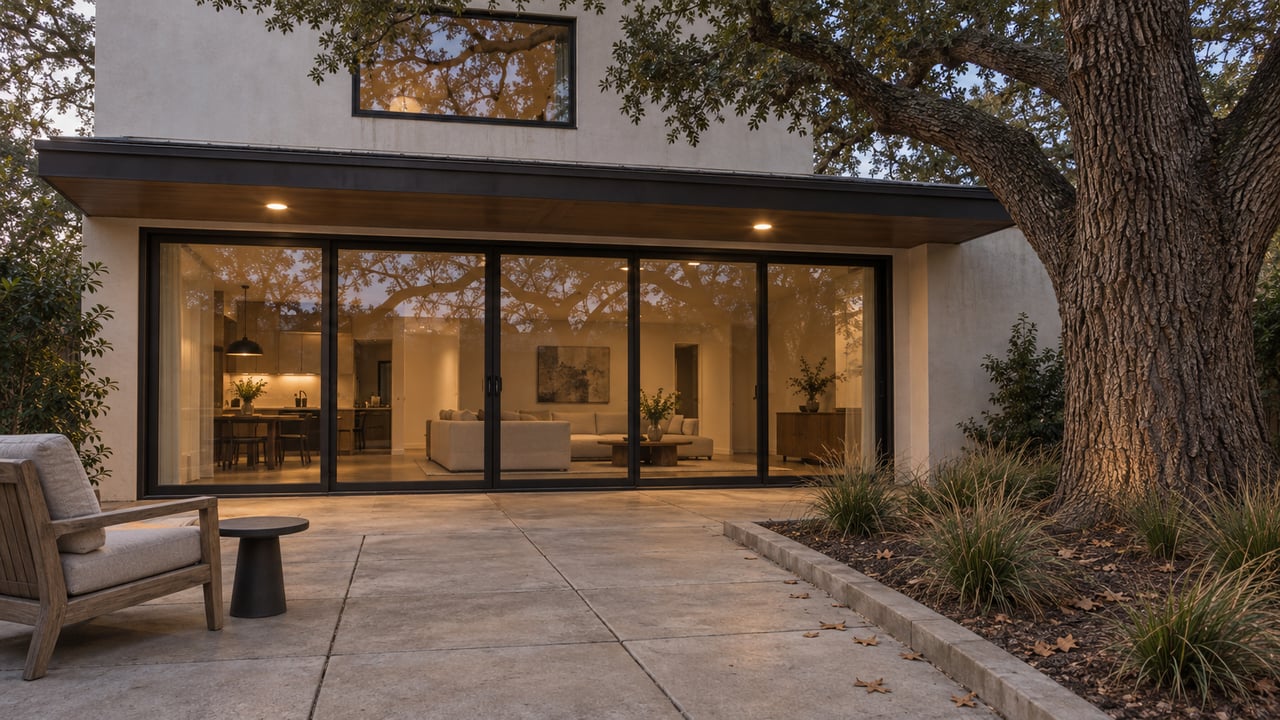
Barton Hills fits buyers who want central access and a neighborhood rather than an enclave, who will actually use the greenbelt and the park, who value walking to something from home, and for whom Austin ISD is fine or irrelevant. It also fits people who want tree canopy and privacy without leaving the city — Barton Hills delivers more of both than anywhere else in 78704.
Westlake fits buyers for whom Eanes is the priority, who want genuine acreage and separation, whose budget runs above what Barton Hills can absorb, and who are comfortable driving to everything. It's also the answer for buyers who want hill country views, which central Austin simply doesn't have.
The buyers who end up happiest are generally the ones who were honest at the start about which of those lists described them. The ones who struggle tend to have picked on schools alone and then discovered they wanted to walk somewhere — or picked on lifestyle and spent thirteen years second-guessing the district.
Frequently Asked Questions
Is Westlake or Barton Hills better for families?
It depends on how much weight you put on school district consistency. West Lake Hills is Eanes ISD, which offers district-wide uniformity across all grade levels — the main reason most families look there. Barton Hills is Austin ISD with a well-regarded elementary school in the neighborhood, plus larger lots than the rest of 78704, walkable greenbelt access and a shorter commute. Families planning a long horizon around a specific district generally go west; families weighting daily lifestyle more heavily often don't.
Are property taxes lower in Westlake than Austin?
Generally yes, and meaningfully so — the combination of taxing entities applying to a 78746 parcel typically produces a lower combined rate than central Austin. Rates vary within 78746 itself depending on whether a property sits inside an incorporated city, and they're reset annually. Calculate on the specific parcels you're comparing rather than on an area average, and factor the homestead exemption if it will be your primary residence.
How much more expensive is Westlake than Barton Hills?
They overlap substantially in the $2 to $4 million range, so at most price points you'll find real options in both. Where they separate is at the top — Barton Hills generally tops out near $5 million with rare exceptions above, while West Lake Hills extends past $10 million because it has the acreage to support that tier. A small number of Lake Austin waterfront properties reach considerably higher, but that's an outlier tier rather than a representative range. Westlake also offers a broader range downward, with entry points below what Barton Hills land alone costs.
How far is Westlake from downtown Austin?
Roughly ten to fifteen minutes off-peak, against about five to ten from Barton Hills. The commute difference is smaller than most buyers assume. The larger daily difference is walkability — parts of Barton Hills reach Barton Springs Road and greenbelt trailheads on foot, while West Lake Hills is car-dependent by virtue of its topography and lot sizes.
Related Reading from The Davis Agency
→ Rollingwood vs. Westwood: Two Low-Tax Enclaves
→ Zilker vs. Barton Hills: Which One Actually Fits You
Still Deciding?
Most buyers settle this by spending an afternoon in each with someone who can tell them which streets are quiet, which back onto the greenbelt, what the tax difference actually costs and what each district really means. The Davis Agency works both sides and has since 2006.
Start the ConversationCall (512) 608-8811
Derrik Davis · Broker/Owner, The Davis Agency · CLHMS Certified · TREC License #558841 · Serving 78704, 78746 and the greater Austin luxury market since 2006. Market figures, tax rates and school boundaries are subject to change. Confirm current information for any specific property before making a decision.