Seller Preparation Guide · June 2026
The buyer touring a $3M home in Barton Hills has seen the listing photos, the video walkthrough, and probably three comparable homes before they ring your doorbell. They arrive with a calibrated expectation of what $3M looks like in this market — and they will compare your home against that expectation within the first 90 seconds of walking through. Staging is the tool that controls what that comparison produces.
Call (512) 608-8811 Get a Pre-Listing Assessment
90 sec First Impression Window Buyers form their read in the first 90 seconds | $5K–$15K Typical Staging Investment 78704 luxury, occupied home | Online first Where Buyers Decide Most buyers decide to tour based on listing photos | 3–5% Staging ROI at $2M+ Estimated premium on list price achievement |
This guide is the companion piece to our pre-sale renovation guide — which covers what to fix before listing. This post covers what to do after the fixes are complete: how to present the home so that everything you have invested in it is communicated clearly to every buyer who sees it, whether through a screen or in person.
The two guides work together. A home that has been well-prepared but poorly presented leaves money on the table just as reliably as one that was skipped preparation entirely. The renovation decisions determine what the home is worth; the staging and presentation decisions determine how much of that worth buyers recognize when they evaluate it.
Staging vs. Renovation: Drawing the Line
Staging and renovation address different things. Renovation is the work that changes the physical condition or functionality of the home — repainting, refreshing finishes, addressing deferred maintenance. Staging is the work that controls how the home is perceived — furniture placement, styling, decluttering, scent, and the specific configuration of each room for the experience of being in it and being photographed.
The line matters because the decision criteria are different. Renovation decisions should be driven by what will eliminate negotiating points and raise the price ceiling — which is covered in the pre-sale renovation guide. Staging decisions should be driven by what will cause a buyer to feel, within the first 90 seconds of arriving, that this home is worth what you are asking for it.
Both are worth investing in. Neither substitutes for the other. A beautifully staged home with deferred maintenance issues will still be negotiated against at the inspection table. A freshly renovated home with poor furniture arrangement and clutter will still photograph badly and fail to convert showing interest into offers. The full seller preparation picture requires both.
Why Staging Matters More in 2026 Than It Did in 2022
During the peak years of 2021–2022, staging mattered less than it does now — because buyers had limited options and were making decisions under competitive pressure that overrode presentation concerns. A home with mediocre staging still received multiple offers because every comparable home was also receiving multiple offers and buyers did not have the luxury of waiting for better.
In the current normalized market, a motivated buyer shopping in 78704 at $2M+ has 10–15 comparables to evaluate simultaneously. They are not under pressure to decide within 48 hours. They have time to tour, compare, reflect, and return. In that environment, the home that makes the strongest immediate impression — the one where every room communicates competence and care at the right price point — generates the offer. The home that makes the buyer feel they would need to "do something" before it felt right at $2M+ does not.
The staging investment that felt optional at peak is a genuine competitive tool in 2026, and sellers who treat it as such consistently outperform those who treat it as an afterthought.
Professional Stylist vs. Full Furniture Rental: The Right Choice for Each Situation
The staging industry offers two primary service models for occupied homes: a professional stylist who works with your existing furnishings to optimize placement, remove what is not helping, and add key accent pieces; and a full staging service that removes your furniture entirely and replaces it with rental inventory for the duration of the listing. Understanding which approach serves your situation requires honest assessment of your existing furnishings and the condition of your home.
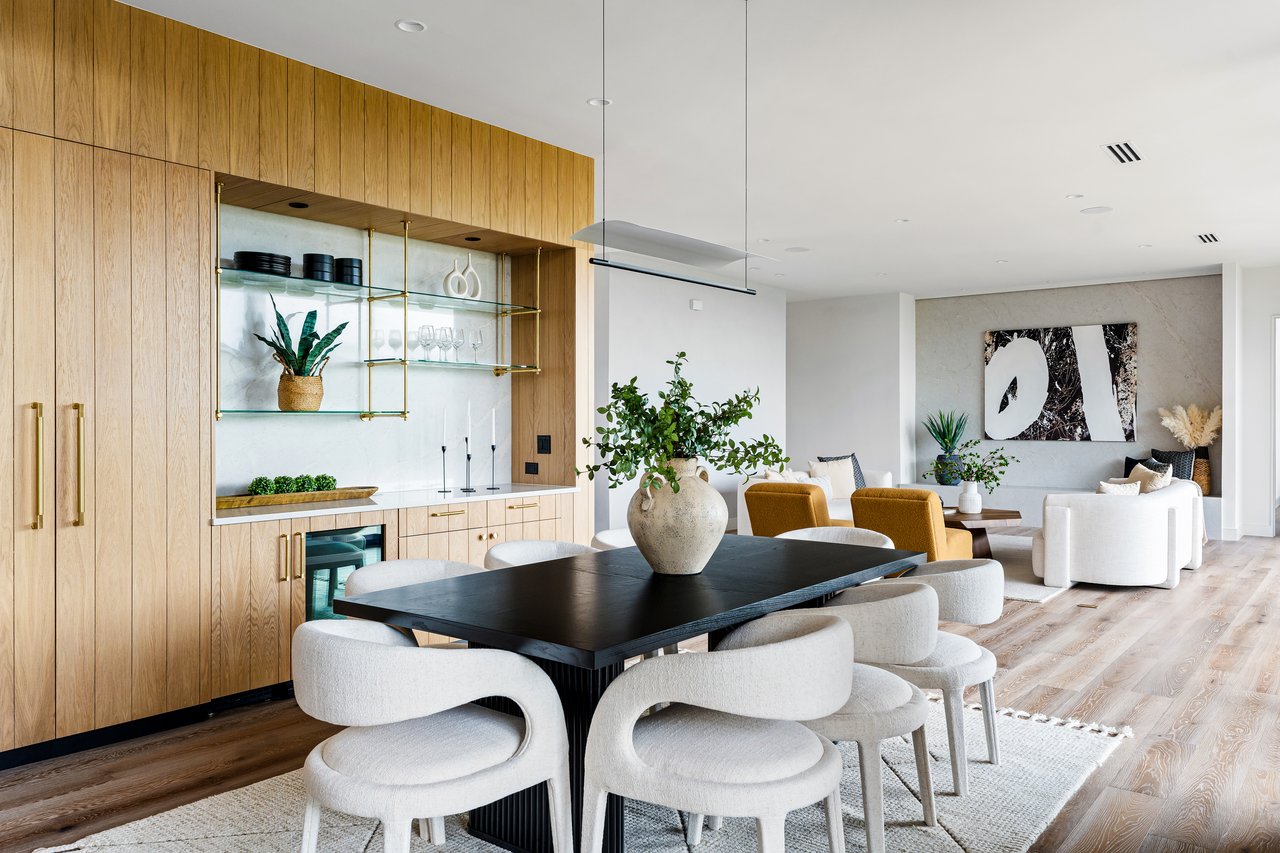
Professional styling of existing furnishings ($1,500–$5,000) works well when your furniture is in good condition, appropriately scaled to the rooms, and broadly contemporary in style. A skilled stylist working with quality furnishings can transform a lived-in home into a showing-ready one through editing, rearrangement, and targeted additions — fresh linens, curated accessories, strategic artwork repositioning, and a thorough declutter of personal items. This approach produces the best results and, critically, produces results that feel lived-in and genuine rather than generic. The buyer who walks into a beautifully styled occupied home feels a different kind of aspiration than the one who walks into a furniture-rental staging — they can imagine their life there, not just recognize that it has been prepared for sale.
Full furniture rental staging ($5,000–$20,000 and up) is the right choice when the home is vacant, when the existing furnishings are dated or poorly scaled, or when the current furniture arrangement significantly misrepresents the room's potential. Vacant homes almost always show and photograph worse than occupied homes — the empty space makes rooms feel smaller, allows buyers to focus on every minor defect, and provides no lifestyle narrative for buyers to project onto. Staging a vacant home with quality rental furniture is consistently worth the investment. The qualification: the rental furniture quality matters enormously. Generic staging furniture that reads as staged — identical to every other staged listing — signals to buyers that the home was prepared for sale rather than lived in, which is true but not the impression you want to lead with.
The One Rule That Applies to Every Staging Situation
The most important staging decision is not about furniture — it is about editing. Every horizontal surface, every wall, every closet, and every garage needs to be edited to the point where the home looks curated rather than lived in. Personal photographs, collections, excess furniture, full closets, and cluttered garage shelving all communicate that the home belongs to someone else — which makes it harder for buyers to imagine it belonging to them. Decluttering is free and delivers the highest ROI of any staging action.
Room-by-Room Staging Priorities at $2M+
The Entry and First Impression
The entry experience sets the tone for the entire showing before the buyer has seen a single room. It is the moment the impression is formed — and first impressions in real estate are stubbornly persistent. A buyer who walks through the front door and immediately feels the home is operating at the right level for its price will apply that positive lens to everything that follows. A buyer who walks through and feels something is off will look for confirmation of that instinct in every subsequent room.
At $2M+, the entry should communicate: this home is intentional. Everything in the entry — lighting, flooring, the first wall, the first piece of furniture or art visible from the door — should signal quality and care. The specific elements that most consistently produce the right impression: a cleaned and polished front door hardware set, a quality doormat, a single piece of art or a mirror at the appropriate scale for the wall, and lighting that is warm and on rather than switched off or dim. Remove all shoes, bags, and daily-life items from the entry floor before every showing. No exceptions.
Main Living Area
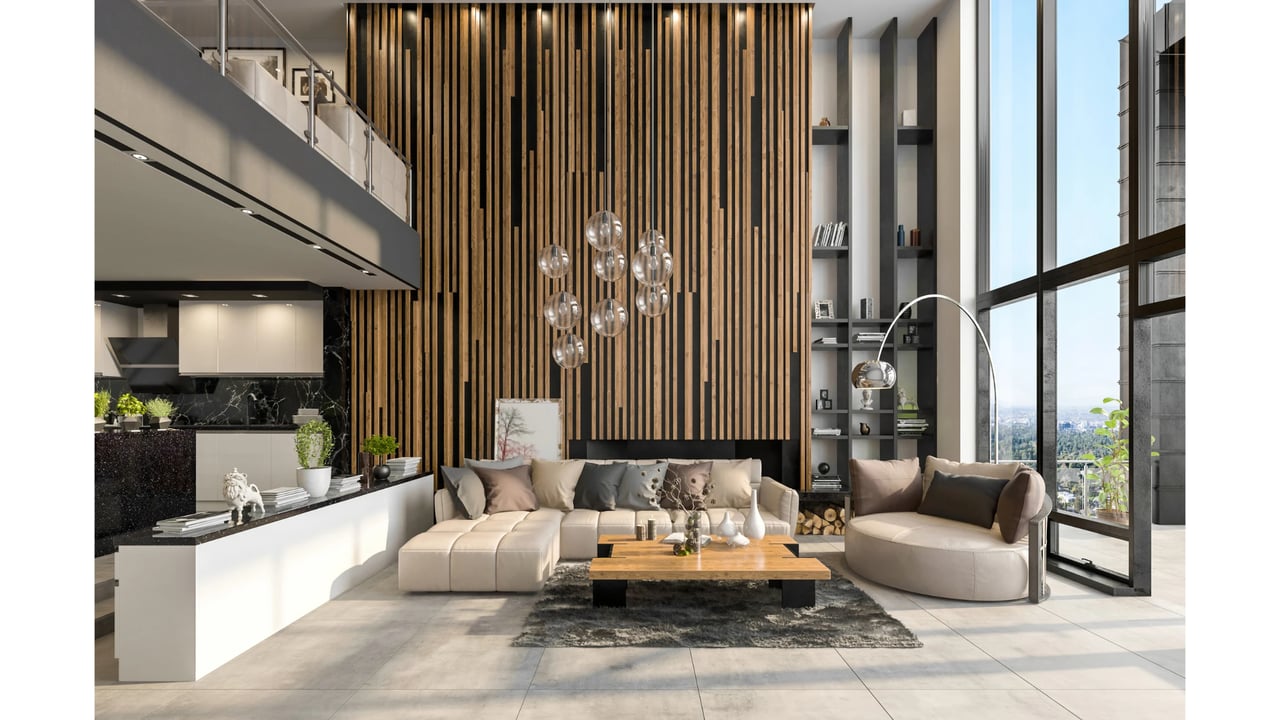
The main living area is where buyers linger longest and where the photography budget produces the most return. The priorities here are sightlines, scale, and light.
Sightlines. Remove anything that interrupts the visual flow from the entry through the main living space. Oversized furniture, misplaced accent pieces, and poor traffic flow patterns all compress the perceived size of the room. In an open-plan layout, the sightline from the front door through the living area to the kitchen and exterior should be clean and unobstructed.
Scale. Furniture that is too small for a room is one of the most common staging problems in lived-in homes — owners naturally acquire furnishings for personal comfort rather than photographic impact, and a standard sofa in a 20-foot living room reads as undersized in photos and in person. If the living room furniture is significantly undersized for the space, it is worth renting a larger sectional or sofa for the duration of the listing.
Light. The main living area should be photographed and shown with maximum natural light plus all artificial lighting on. Remove heavy curtains or dark drapery that block window light. Clean all windows inside and out — dirty windows in listing photography are immediately visible and register as neglect.
Kitchen
The kitchen is the most-photographed room in a luxury listing and the room where buyer attention during a showing is most concentrated. The staging goal is a kitchen that reads as both functional and aspirational — designed for someone who cooks seriously and entertains beautifully.
Clear the countertops almost entirely. Two to three well-chosen items — a quality wooden cutting board, a single bowl of seasonal fruit, a small potted herb — convey a lived-in warmth without creating the visual clutter that most occupied kitchens carry. Every appliance, piece of mail, paper towel holder, and coffee machine that can be stored in a cabinet should be stored in a cabinet for photography and showings.
Stage the island or peninsula specifically for photography. A large format book, a small plant, and a well-chosen bowl or tray create a lifestyle vignette that anchors the kitchen photograph and gives buyers a visual reference for how they would use the space. This is the detail that separates a listing photograph from an editorial photograph — and the difference in showing conversion is real.
Primary Suite
The primary suite sells the lifestyle of the home at a level that the public rooms cannot fully deliver on their own — it is where buyers imagine their most private daily rituals, and the impression it makes is disproportionately influential on overall purchase decision satisfaction. At $2M+, the primary suite should feel like a boutique hotel rather than a bedroom.
Bedding. Fresh, high-quality white or neutral bedding — properly sized for the bed, properly pressed, with quality European pillows in front — is the single highest-impact styling investment in the primary suite. If the current bedding does not read at the appropriate quality level for the price point, replace it for the duration of the listing. $300–$800 in bedding transforms the room's photographic impact completely.
Nightstand editing. Remove all personal items from nightstands — books, reading glasses, phone chargers, alarm clocks, medications. Two matching lamps, potentially one small plant or single stem in a vase. Nothing else.
Primary bath. All personal care products off the countertops and into drawers or the shower. Fresh, folded white towels. A quality candle or small plant on the vanity. The shower door glass polished to remove water marks. A primary bath that looks like a spa rather than a bathroom conveys the lifestyle premium that justifies a $2M+ price point.
Outdoor and Pool — The Most Underestimated Staging Category
In a 78704 luxury home, the outdoor space is not a secondary feature — it is a core selling point that often justifies a significant portion of the price premium. Treating the outdoor staging with the same discipline as the interior staging is where many sellers leave the most money on the table.
Pool and spa. The pool water should be clear, chemically balanced, and photographed with the pool lights on in the late afternoon or early evening. Pool equipment and hoses stored out of sight. The pool deck free of leaves, towels, toys, and personal items. If there is a spa or hot tub, it should be running during photography to show the jets and steam.
Outdoor furniture. Outdoor furniture that is weathered, stained, or mismatched should be replaced or rented for the listing period. The outdoor entertaining space at $2M+ should read as an extension of the interior quality — cushions fresh, table properly set or cleanly cleared, string lights or landscape lighting tested and confirmed functional.
Landscaping. Fresh mulch in beds, lawn edged, any dead plants removed and replaced, irrigation confirmed working and not creating mud or pooling. The landscaping staging should be completed at least one week before photography to allow any new plantings to establish and fresh mulch to settle.
Photography Staging: The Session That Creates Your First Impression
The listing photography session is the most important single event in the marketing of your home. The photos will be seen by every buyer who evaluates the listing before requesting a showing — which means the photography staging is your first impression with every potential buyer, not just the ones who schedule a tour.
Timing. Schedule photography during the window when the primary living spaces receive their best natural light — typically late morning to early afternoon for south and east-facing rooms, late afternoon for north and west-facing. Ask your photographer which orientation they prefer given your home's specific layout.
The photographer walkthrough. Do the final staging walkthrough with your agent and photographer together before the shoot begins — not after. Three sets of eyes will catch things that one set misses: a cord visible behind a table, a light switch plate not fully flush with the wall, a towel fold that is slightly off. These details are invisible in person and fully visible in a professional photograph.
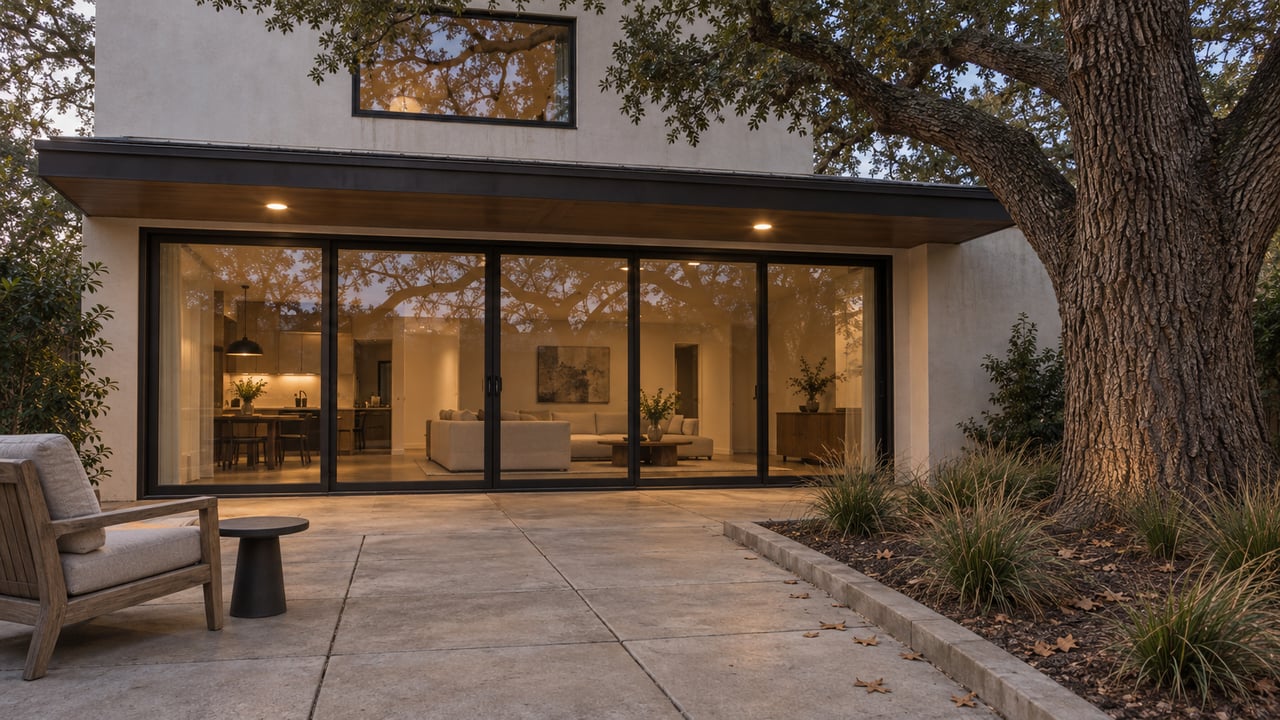
Outdoor and drone photography timing. Schedule the exterior and drone photography for the golden hour — the 30–60 minutes before sunset — when the light is warmest and the home's materials photograph most beautifully. Dark cedar, limestone, and concrete all read completely differently at golden hour versus mid-afternoon. The difference in exterior photography quality is worth scheduling around.
Want a staging assessment before your listing goes live?
The Davis Agency walks through every listing before photography to identify the specific staging adjustments that will have the most impact on showing conversion and offer quality for your specific home. It is part of the listing process, not an add-on.
The Decluttering Imperative: What to Remove
The most common staging mistake in occupied luxury homes is failing to declutter aggressively enough. Sellers who live comfortably in their home — and who have curated it thoughtfully over years — consistently underestimate how different a showing-ready home looks from a lived-in home, because they have adapted to the accumulation of daily life in the space.
The items that most frequently need to come out of a 78704 luxury home before listing:
Personal photographs. Family photos, children's artwork, and personal memorabilia make it harder for buyers to imagine the home as theirs. They do not need to be permanently removed — they need to be in storage for the duration of the listing.
Books and collections. Full bookshelves, collections of decorative objects, and personal hobby items all read as clutter in listing photography and during showings. Edit to 30–40% of current capacity. What remains should look like it was chosen as a display rather than accumulated as a collection.
Excess furniture. Most occupied homes have 10–20% more furniture than the space can carry photographically. Identify one or two pieces in each primary room that are competing with the room's sightlines and remove them to storage or a secondary room for the listing period.
Garage contents. Buyers open garages during showings. A garage packed with storage, athletic equipment, and household overflow communicates either that the home does not have adequate storage or that the sellers were not fully invested in presenting the home. A clean, organized garage with space visible on the floor conveys the opposite — and the difference takes a half-day of effort.
Budget Guidance: What Staging Costs and What It Returns
For an occupied luxury home in 78704 in good condition with quality existing furnishings, a professional styling engagement runs $1,500–$5,000 and covers one or two days of a stylist's time plus accent furniture and accessory purchases or rentals. This is the minimum effective investment for a home where the underlying condition and furnishings are already strong.
For an occupied home where the furnishings are dated, oversized, or mismatched, a hybrid approach — professional styling plus targeted furniture rentals for the primary rooms — runs $5,000–$12,000 and produces a meaningfully different photographic result than styling alone.
For a vacant home, a full staging package runs $8,000–$20,000 depending on the size of the home and the number of rooms furnished. On a $2.5M vacant home, this investment represents less than 1% of the list price and routinely produces 3–5% improvement in list price achievement and significantly faster days-on-market results.
The Mindset That Makes Staging Work
Staging your home for sale requires a temporary shift in how you think about it. You are not living in it — you are marketing it. The family photographs, the accumulated books, the comfortable furniture arrangement that has evolved over years of daily use — all of it needs to give way to a presentation that is optimized for the 90-second impression a stranger forms when they walk through your front door. The sellers who make that mental shift cleanly and early in the process consistently net more than those who treat staging as an optional cosmetic exercise. It is not cosmetic. It is the presentation layer on everything you have already invested in the property.
Frequently Asked Questions
Should I stage my home if I'm selling it as a teardown or to a developer?
Not in the traditional sense. A seller marketing a 78704 property primarily for its land value — to a builder or developer buyer — does not need luxury staging because the buyer is evaluating the lot, the impervious cover, the tree survey, and the demo cost rather than the livability of the existing structure. A basic cleanup and safety walkthrough is appropriate; a $15,000 staging investment is not. The off-market channel that The Davis Agency maintains for developer buyers often bypasses the need for any marketing presentation at all.
How long does a full staging take to set up?
A professional styling of an occupied home typically takes one full day — including the stylist's walkthrough, furniture rearrangement, decluttering guidance, and accessory placement. A full furniture rental staging for a vacant home requires coordination with the rental company's delivery schedule and typically takes 1–2 days to complete. Build staging into the pre-listing timeline with at least 3–5 days between staging completion and photography, to allow any adjustments and to ensure everything is settled before the camera comes in.
What if I disagree with the staging recommendations?
This is common, and it is worth working through rather than defaulting to either the seller's comfort or the agent's opinion. The question to ask about any staging recommendation you are resistant to: "Will a buyer who does not know this home notice this specific element during a showing?" If the answer is yes and it is working against the impression you want to create, the recommendation deserves serious consideration. If the answer is no, the recommendation may be personal preference rather than effective staging guidance. The best staging decisions are driven by data — buyer feedback, comparable listing photography, showing conversion rates — not by aesthetic opinion from either party.
Does outdoor staging matter as much as interior staging?
Yes — and in 78704 specifically, potentially more than interior staging for some listings. A Barton Hills or Zilker home where the outdoor living, pool, and landscape represent a significant share of the price premium needs outdoor staging that communicates that premium as clearly as the interior staging communicates the interior quality. Buyers who walk through a beautifully staged interior and then step out onto a patio with weathered furniture and an unmaintained pool leave the showing with a downgraded impression of the overall home. The outdoor experience needs to close on the same quality note the interior opened.
Related Reading from The Davis Agency
→ The Pre-Sale Renovation Guide for Austin Luxury Homes: What Adds Value in 78704 — and What Doesn't
→ How to Sell a Luxury Home in Barton Hills: The Complete 2026 Seller's Playbook
→ Sell, Hold, or Rent: The Decision Framework for Austin Luxury Homeowners in 2026
→ Austin Luxury Market Mid-Year Report: What the Numbers Are Actually Saying in 2026
→ The Off-Market Advantage: How The Davis Agency Closes Deals Before They Hit MLS
Ready to Prepare Your 78704 Home for the Market?
The Davis Agency's pre-listing process includes a staging walkthrough that identifies the specific adjustments with the highest impact on showing conversion for your home. Start with a current valuation — the staging conversation follows naturally from there.
Request a Valuation Call (512) 608-8811
Or email [email protected]. Derrik responds personally.
Derrik Davis · Broker/Owner, The Davis Agency · CLHMS Certified · TREC License #558841 · Serving 78704 and the greater Austin luxury market since 2006.