Tex-Mex vs. Interior Mexican: The South Austin Map
Austin Life · August 2026
The short answer: Tex-Mex and interior Mexican are two different cuisines, not a real one and a fake one. Tex-Mex runs on yellow cheese, cumin, flour tortillas and the combo plate. Interior Mexican runs on nixtamalized corn, regional chiles and long-built sauces. South Austin is Tex-Mex country and always has been. The modern interior Mexican wave landed east and north — which is worth knowing before you go looking for it on South Congress.
There's a tiresome version of this conversation where Tex-Mex gets treated as a lesser thing, a compromise, something people ate before they knew better. That's wrong on the history and wrong on the food. Tex-Mex is a Tejano regional cuisine with more than a century behind it, and Austin has some of the best of it anywhere. Interior Mexican is a different project entirely. Here's how to tell them apart, where each one actually lives in this city, and what to order to understand the difference in one sitting.
Explore South AustinCall (512) 608-8811
1952 Matt's El Rancho Opens On East 1st before moving to South Lamar in 1986 | 1975 Fonda San Miguel Opens The city's interior Mexican starting point | MASA The Actual Dividing Line Nixtamalized corn versus flour | EAST Where the New Wave Landed Not South, despite what you'd expect |
What Actually Separates Them
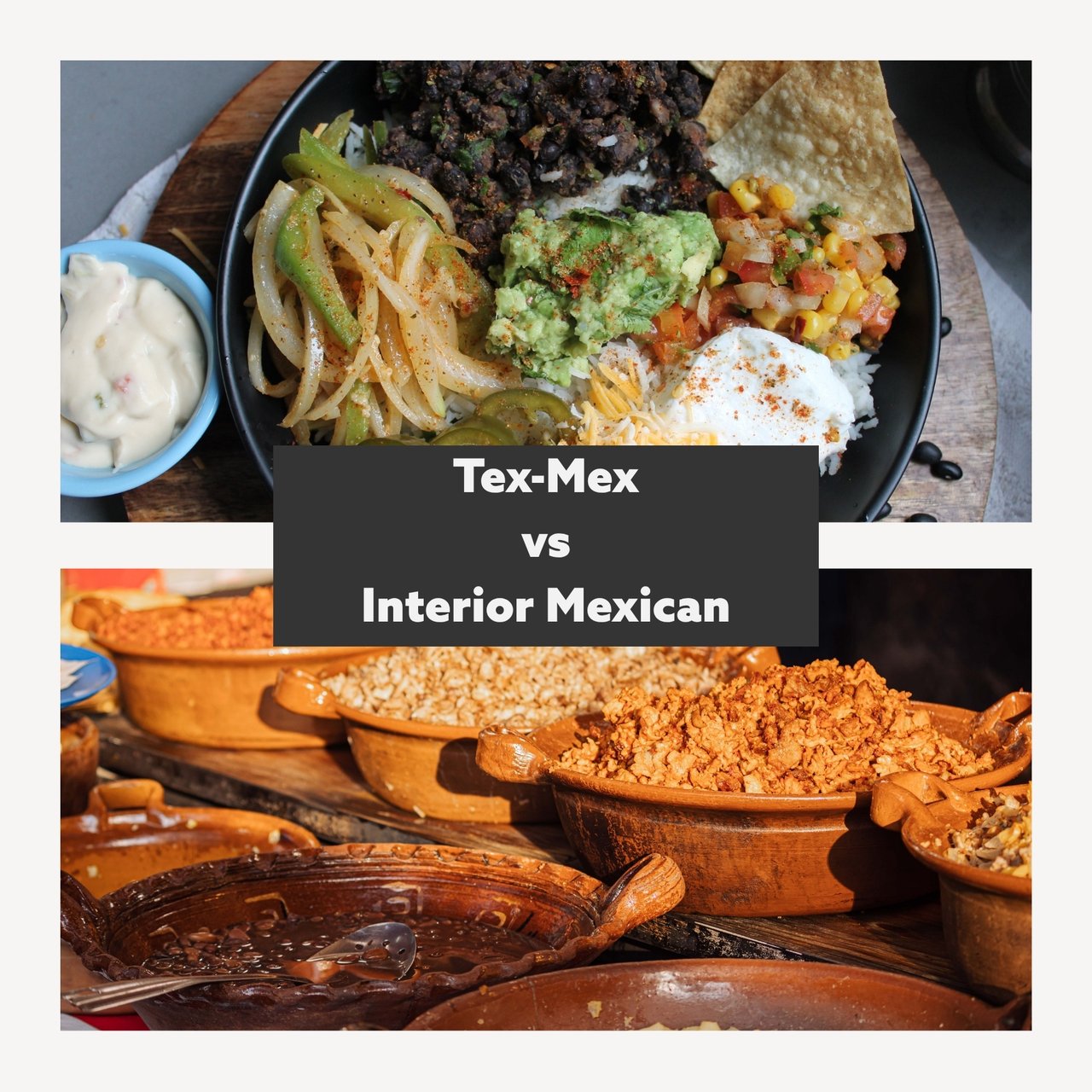
Tex-Mex is built on yellow cheese, cumin, flour tortillas, and a plate architecture that doesn't exist in Mexico — the combo, with two enchiladas, rice, refried beans and a crispy taco arriving together under melted cheese. Chile con queso is a Texas invention. So is the fajita as a restaurant dish, and the frozen margarita. It emerged from Tejano families cooking in Texas with Texas ingredients over generations, and it is a genuine regional American cuisine, not a diluted import.
Interior Mexican means the cooking of the regions away from the border — Oaxaca, Puebla, Yucatán, Michoacán, Mexico City. Corn treated with lime and ground fresh. Sauces built from named chiles over hours. Moles with a dozen or more ingredients. Seafood from the coasts. Less melted cheese, more time.
The fastest tell at the table is the tortilla. Flour, soft and pliable and made to wrap a fajita: Tex-Mex. Corn, made from masa that morning, with a smell you notice before you taste it: interior. The second tell is the cheese. Yellow and melted over everything, or white, crumbled, and used sparingly as a finishing note.
Neither one is trying to be the other. A place serving Bob Armstrong Dip is not failing to serve mole, any more than a mole specialist is failing at queso. The mistake is ordering as though they're interchangeable — going to a masa-driven kitchen and asking for a combo plate, or walking into a seventy-year-old Tex-Mex room expecting a chile-forward tasting menu. Order what the house is actually built to do.
South Austin's Tex-Mex Canon
Restaurant | Where | What to Order |
|---|---|---|
Matt's El Rancho | South Lamar | The Bob Armstrong Dip, invented here — queso with seasoned meat and guacamole. Nachos are some of the best in town. Then the sizzling fajitas or the spinach enchiladas. Open since 1952 and still running weekend waits. |
Maudie's | Zilker | Kentchiladas. Maggie's Plate. Caldo.The breakfast tacos are fantastic and the Powerbowls if you're wanting somehting a little lighter. Gill's Margaritas. |
Chuy's | Barton Springs Road | The flagship, and worth distinguishing from every franchise location you've seen elsewhere. Creamy jalapeño is a must, the Chuychanga, and the Elvis shrine. |
Polvos | South First | Choriqueso — queso with chorizo, poblano, grilled onion and pico, mixed together and piled on a chip. The late-night South Austin room that draws every demographic at once. |
Curra's Grill | Travis Heights | The avocado margarita, once, because you have to. Then breakfast — the Tex-Mex morning menu here is the real reason to go. |
Joann's Fine Foods | South Congress | The modern entry on this list — a diner-format take at the Austin Motel. Good for a group that can't agree, and the patio is one of the better places to sit on SoCo. |
Austin restaurants open, close and change constantly. Confirm hours and current operation before planning around any of these.
Where Interior Mexican Actually Lives
Here's the part that surprises people who assume South Austin is where all the good food is: the modern interior Mexican restaurants that put Austin on national lists are almost entirely east and north.
Suerte, in East Austin, built its reputation on a masa program — corn nixtamalized and ground in house, which changes everything downstream of it. Nixta Taqueria, also east, holds a Michelin Green Star for sustainability practice and has done more than any other room in the city to show what a taqueria can be when the masa is treated as the main event. Este works the coastal Mexican side, and its wine and beverage program drew a Michelin sommelier award. Mercado Sin Nombre picked up a Bib Gourmand in the most recent guide.
North of the river, Fonda San Miguel has been doing interior Mexican since 1975 — before most of the country had a vocabulary for it — in a room that still feels like a hacienda dining hall. The same family opened Tzintzuntzan next door recently, a contemporary Mexican café and panadería working regional breakfast dishes from Mérida, Oaxaca and Mexico City.
Not one of those is in 78704.
Why the Map Broke That Way
Two things explain most of it.
The first is that South Austin's Tex-Mex institutions got there first and never left. Matt's has been operating since 1952. Güero's has been on South Congress for decades. When restaurants of that tenure occupy the best locations in a neighborhood, new concepts go where the space is.
The second is rent. A chef opening a masa-driven restaurant is making a bet that requires equipment, labor and time before it makes money. That bet gets made where the lease allows a slow start — which for the last decade meant East Austin, and increasingly means further east and north as those rents climb too. It's the same dynamic that has been closing celebrated central Austin rooms this year.
Which produces a pattern worth noticing if you're thinking about neighborhoods rather than just dinner: ambitious restaurants open where the rent lets them take a risk, and the neighborhood tends to catch up around them afterward. East Austin's food scene preceded its real estate run by years. South Congress became a destination on the back of restaurants, not the reverse.
Weighing where to land in central Austin?
What's walkable from your front door shows up in your life every week, long after the closing paperwork is filed. The Davis Agency knows Barton Hills, Zilker, Bouldin Creek and Travis Heights block by block — including which blocks put you fifteen minutes from dinner and which put you in the car.
How to Taste the Difference in Two Meals
If you want to actually understand this rather than read about it, do it in a week.
Meal one, Tex-Mex. Order queso — the real thing, with meat and guacamole in it — and a combo plate with cheese enchiladas. Pay attention to how the cumin sits under everything and how the chili gravy works as a binding sauce rather than a feature. That gravy is the load-bearing element of the entire cuisine and almost nobody notices it.
Meal two, interior. Order whatever the kitchen makes from its own masa, plus one dish built on a named chile or a mole. Eat the tortilla by itself before you put anything in it. If the masa is good you'll understand immediately why the restaurant organized itself around it.
Do those two meals inside seven days and the distinction stops being an abstraction. You'll also probably conclude, as most people do, that you want both in rotation and neither replaces the other.
Frequently Asked Questions
What's the difference between Tex-Mex and Mexican food?
Tex-Mex is a Tejano regional cuisine developed in Texas, characterized by yellow cheese, cumin, flour tortillas, chili gravy and the combo plate. Chile con queso, restaurant fajitas and the frozen margarita all originated in Texas. Interior Mexican refers to the regional cooking of Mexico away from the border — Oaxaca, Puebla, Yucatán, Michoacán, Mexico City — built on nixtamalized corn, named regional chiles, moles and coastal seafood. They are distinct cuisines rather than authentic and inauthentic versions of one thing.
What is the best Tex-Mex in South Austin?
The South Austin canon includes Matt's El Rancho on South Lamar, open since 1952 and the origin of the Bob Armstrong Dip; Güero's Taco Bar on South Congress; the flagship Chuy's on Barton Springs Road; Polvos on South First; and Curra's Grill on Oltorf. Joann's Fine Foods at the Austin Motel offers a more modern take on the format.
Where can I find authentic interior Mexican food in Austin?
Primarily east and north rather than in South Austin. Suerte and Nixta Taqueria in East Austin are both known for in-house masa programs, with Nixta holding a Michelin Green Star. Este focuses on coastal Mexican cooking. Fonda San Miguel in North Austin has served interior Mexican since 1975, and the same family's Tzintzuntzan works regional breakfast dishes nearby.
Is Tex-Mex real Mexican food?
Tex-Mex is its own regional cuisine with more than a century of history, developed by Tejano families cooking in Texas with the ingredients available to them. It is not an imitation of interior Mexican cooking and was never trying to be. Treating it as a lesser version of something else misreads both the history and the food.
Related Reading from The Davis Agency
→ Austin's Michelin Stars in 2026: What's Left After Olamaie
→ Every New Austin Restaurant Worth a Reservation This Fall
→ The Lockhart BBQ Run: A Half-Day Itinerary from 78704
→ Austin's Annual Events Calendar: The Cultural Moments That Define Life in the City
Looking at South Austin?
The Davis Agency works across Barton Hills, Zilker, Bouldin Creek and Travis Heights. If you're deciding where in central Austin to land, the question of what's within walking distance is worth as much attention as the floor plan — and it's the one people underweight most.
Explore NeighborhoodsCall (512) 608-8811
Derrik Davis · Broker/Owner, The Davis Agency · CLHMS Certified · TREC License #558841 · Serving 78704 and the greater Austin luxury market since 2006.