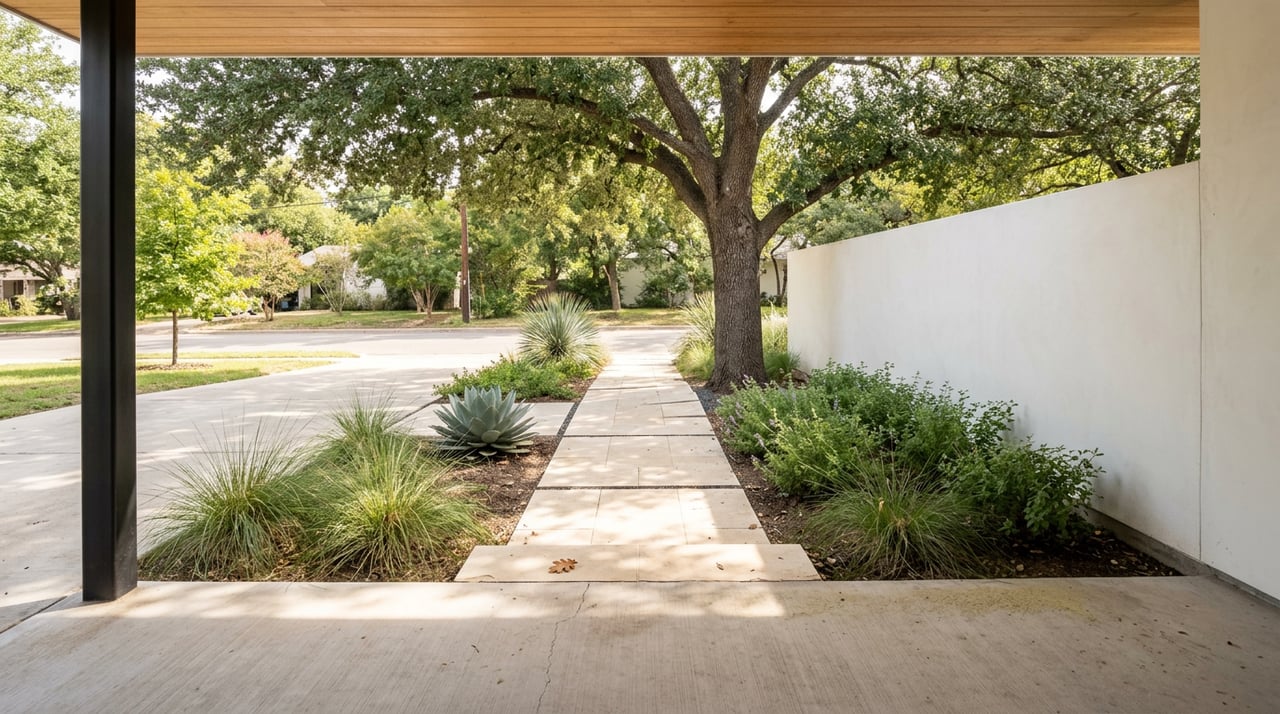
Selling an inherited luxury home is fundamentally different from selling a home you lived in and maintained. The property was likely owned by an elderly person for 20 to 30 years. There is almost certainly deferred maintenance. The kitchen and bathrooms may be dated. The landscaping may be overgrown or designed for a different era. The mechanical systems, HVAC, plumbing, and electrical, may be at or past their useful life. All of these factors affect buyer perception and, ultimately, the sale price.
Step 1: Condition Assessment
Before any sale strategy is developed, Derrik conducts a thorough condition assessment of the property. This is not a standard home inspection. It is a strategic evaluation that identifies which issues affect value, which affect buyer confidence, and which are cosmetic versus structural. On a luxury home in Austin, the difference between a property that shows well and one that doesn't can be $200,000 to $400,000 in sale price. The assessment also identifies any items that would surface during a buyer's inspection and derail a deal, allowing the estate to address them proactively.
Step 2: Renovation vs. As-Is Analysis
For most inherited luxury homes, the right approach falls between two extremes. A full renovation, new kitchen, new bathrooms, new systems, is rarely appropriate because it adds months of carrying costs, requires heirs to fund construction, and delays the closure of the estate. Selling completely as-is, on the other hand, leaves significant money on the table because buyers discount aggressively for perceived work. The sweet spot is a targeted approach: professional deep cleaning, fresh paint in neutral tones, cosmetic updates to the most visible areas (light fixtures, hardware, landscaping), and professional staging. On a $3 million home, a $15,000 to $30,000 investment in targeted preparation can recover $100,000 to $200,000 in sale price by changing buyer perception from "estate sale" to "move-in ready."
Step 3: Pricing in a Buyer's Market
Austin's luxury market currently has approximately 16.74 months of inventory, which firmly qualifies as a buyer's market. Buyers at the $2 million-plus price point have significant choice and negotiating leverage. Pricing an inherited home correctly on day one is critical because overpriced luxury listings stagnate quickly. Every additional week on market increases the perception that something is wrong with the property. Derrik prices inherited luxury homes based on condition-adjusted comparable sales, not aspirational values. The goal is to maximize net proceeds to the estate, which means pricing for action, not for ego.
Step 4: Off-Market vs. MLS
Some inherited luxury homes are better suited to off-market sales. This is particularly true when the property needs significant work, when privacy is a concern for the family, or when the heir group wants to avoid the public exposure of a standard listing. Derrik's network includes qualified luxury buyers, investors, and developers who are actively looking for acquisition opportunities in Austin's top neighborhoods. An off-market sale can close faster with fewer contingencies, though it may trade some of the competitive pressure that an MLS listing generates. The right channel depends on the property's condition, the heirs' priorities, and the current competitive landscape in the specific neighborhood.