Travis Heights: Hillside Lots, Historic Character, and What Buyers Actually Pay For
Developer Intelligence · August 2026
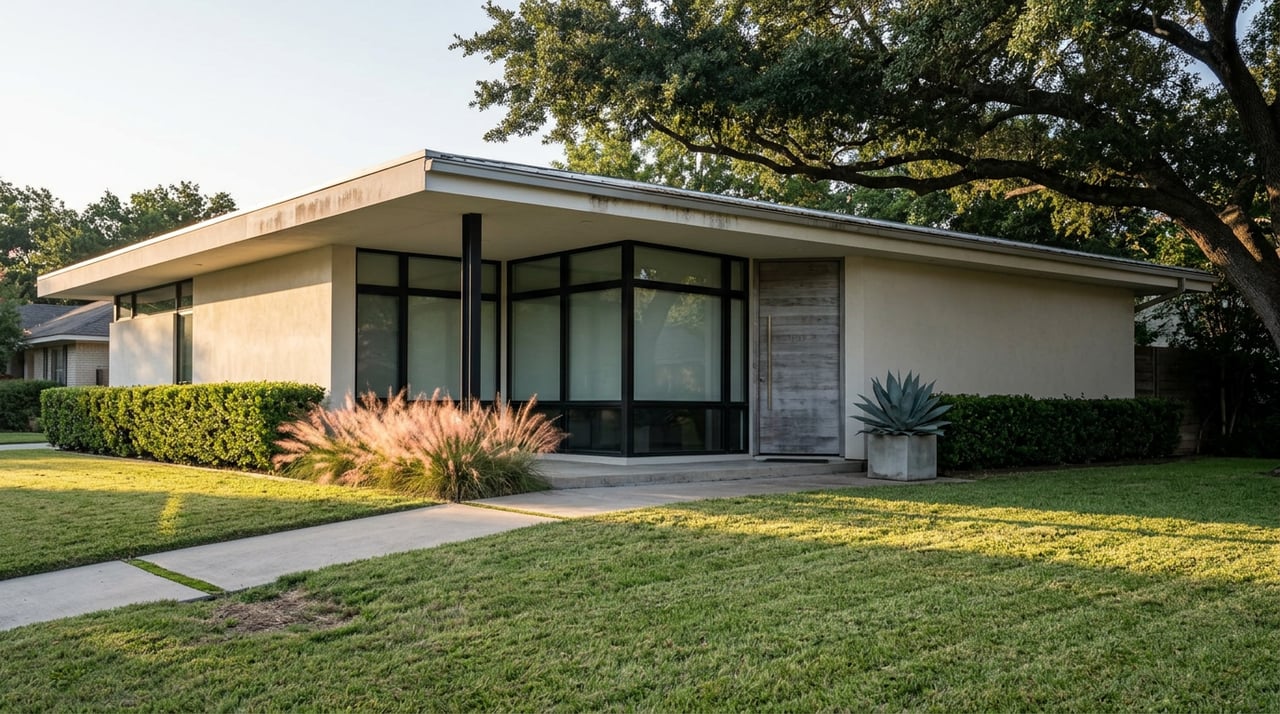
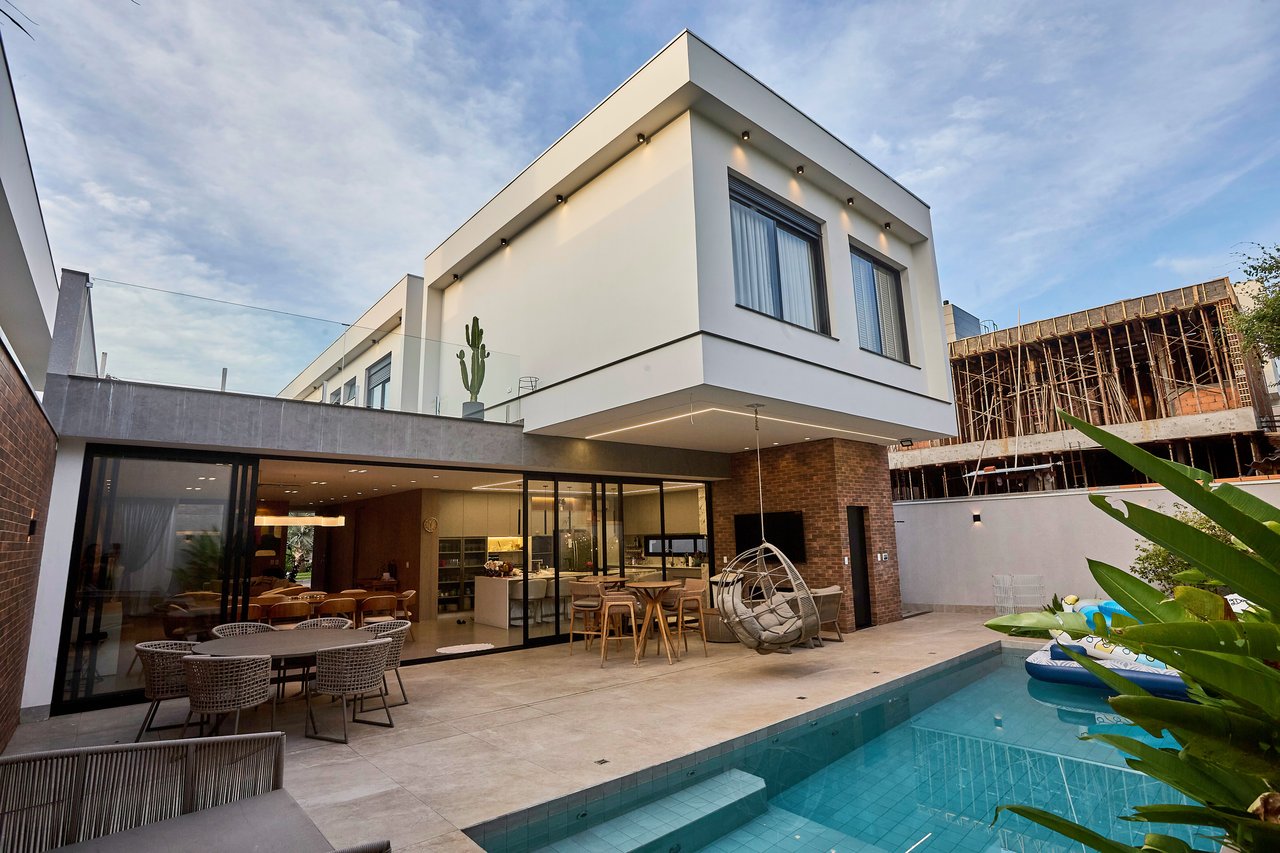
The short answer: Travis Heights is the one 78704 neighborhood where scraping the house is frequently the wrong call. The streets follow the topography rather than a grid, which produces slope, views and irregular lots — all of which raise the cost of new construction. Meanwhile the neighborhood's early-century housing stock carries a character premium buyers will genuinely pay for. On the right lot, a serious restoration beats a new build on both cost and exit.
That's an unusual thing for a broker who works with builders to say, so it's worth explaining the arithmetic behind it. Travis Heights sits east of South Congress, running up from the river through Stacy Park and the Blunn Creek drainage, and almost nothing about it behaves like the flat, gridded parts of 78704. Here's what the topography costs, what the views are actually worth, and how to tell which lots reward replacement and which reward restoration.
Discuss a Travis Heights PropertyCall (512) 608-8811
$750K–$900K Land Basis Ridge lots at the top of the range | $2.5–4M New Construction Exits Well-executed product, current market | CURVED Street Pattern Platted to the terrain, not a grid | 0 View Protection Private views aren't guaranteed by code |
The Streets Curve for a Reason
Pull up a map of 78704 and Travis Heights announces itself immediately. Bouldin Creek is a grid. South Lamar is a grid. Travis Heights is a set of curves winding up and across a hillside, because it was platted to follow the terrain rather than to impose a pattern on it.
That single early decision produced everything the neighborhood is now. Lots that aren't rectangles. Frontages that meet the street at an angle. Parcels with fifteen or twenty feet of fall from front to back. Homes stepped into a hillside with the entry on one level and the yard two floors below. Mature canopy that survived because the streets bent around it. And, on the higher ground, sightlines to downtown that didn't exist by design and can't be relied on by right.
It also produced Stacy Park and the Blunn Creek corridor running through the middle of it, which is why Travis Heights feels green in a way that flat, gridded neighborhoods don't, even where the lot sizes are comparable.
What Slope Actually Costs
Every foot of fall on a lot converts into money somewhere. On a sloped Travis Heights parcel, the line items look like this.
Foundation. A stepped or pier-and-beam foundation on grade change costs meaningfully more than a slab on a flat lot — more engineering, more concrete, more time. On steeper parcels you're also into retaining structures, which are their own permit and their own number.
Drainage. Water moves downhill, and the code cares where it goes. Detention, grading and drainage design on a sloped lot with a creek corridor nearby is real civil engineering, not a checkbox.
Access and staging. A narrow curving street with a steep driveway limits what equipment can reach the site and where material can sit. Concrete pours get harder. Deliveries take longer. Crews work slower. None of it shows up as a dramatic line item and all of it shows up in the total.
Utilities. Longer runs, awkward routing, occasional easement complications from irregular platting.
The cumulative effect is that a sloped Travis Heights build carries a cost premium over an equivalent house on a flat Bouldin lot — while the exit range for the two neighborhoods is broadly similar. That compression is the whole reason the restoration math works here and doesn't elsewhere in the ZIP code.
The upside of the same topography: slope is the best friend the basement exemption has. Below-grade space is excluded from gross floor area where the habitable portion sits below natural grade with natural grade around a qualifying share of the perimeter. On a lot with fifteen feet of fall, that's an entire floor the FAR calculation never sees. The topography that costs you on the foundation can hand it back on the square footage — but only if the design goes after it deliberately.
What the Views Are Worth, and What They Aren't
Downtown sightlines from the higher streets are a genuine premium, and buyers pay for them. Two things worth being clear-eyed about.
First, Austin does not protect private views. The Capitol View Corridors protect sightlines to the Capitol from designated public vantage points — they exist to serve the public, not to preserve what you see from your deck. Outside of those corridors, if the lot below you builds a taller house within its envelope, your view changes and you have no recourse. A view that depends on a neighbor's one-story house is a view on loan.
Second, the durable views are the ones protected by geography rather than by luck: a lot facing across a park, a greenbelt, a creek corridor, or a street where the far side falls away. Those don't get built out. When you're evaluating a Travis Heights property for its view, the question isn't what you can see — it's what could legally be built between you and it.
That question is answerable in an afternoon by looking at what's across from you and what the code allows there. It's one of the highest-value hours anyone can spend before making an offer on a ridge lot.
Where Restoration Beats Replacement
Factor | Favors New Build | Favors Restoration |
|---|---|---|
The lot | Flat or gently sloped, regular shape, easy access | Steep, irregular, tight street access, mature canopy in the buildable area |
The existing house | Compromised structure, poor bones, unremarkable period work, prior bad remodels | Sound structure, original detail intact, a footprint that already sits well on the slope |
Envelope position | Existing house well under the FAR ceiling, real headroom to add | Existing house already near the ceiling — a new build wouldn't be meaningfully larger |
The street | Mixed vintage, new construction already established as the comp set | Intact period character block where a modern box would read as the outlier |
General guidance only. Every property differs, and the decision turns on a structural assessment, a survey and current comps for the specific block. Get all three before committing either way.
The bottom row is the one people underweight. Travis Heights has streets where the housing stock is coherent enough that a well-executed modern build actually underperforms — not because it's a worse house, but because the buyer drawn to that block came for the block. Put the same house four streets over and it clears at the top of the range.
Trying to decide whether to build, restore, or sell as-is?
In Travis Heights this genuinely depends on the block, the slope and the house — and the answer is different two streets apart. The Davis Agency has worked this neighborhood since 2006 and can give you a straight read before you spend money on drawings.
A Note on Historic Status
Travis Heights has genuine historic character, and people frequently assume that translates into regulatory protection. Mostly it doesn't — but "mostly" is doing work in that sentence, and the exceptions matter.
Individual properties anywhere in Austin can carry City Historic Landmark designation, which brings review requirements for exterior changes and demolition. Local historic districts, where they exist, apply design standards across a defined area. Neighborhood plans can layer on additional considerations. And demolition of older structures can trigger review processes independent of any designation.
None of that is knowable from the street. Before you underwrite a teardown here, confirm the specific property's designation status, whether it sits in any district or overlay, and what the demolition process actually requires. That's a one-day question with a five-figure answer, and it is the single most common thing that surprises people buying older houses in this neighborhood.
What Buyers Are Actually Paying For
Ask a Travis Heights buyer why this neighborhood and you'll rarely hear square footage. You'll hear the walk to Stacy Pool. The trees. That the streets aren't straight. Being able to get downtown across the bridge in ten minutes while living somewhere that feels like it's been there a hundred years.
Which is a useful thing for a seller to understand, because it means the marketing that works here is different. In Bouldin, buyers respond to the house. In Barton Hills, to the lot and the canopy. In Travis Heights, a meaningful share of the value sits in the neighborhood itself — the topography, the park, the character of the block — and a listing that leads with finish specifications is leaving the actual argument unmade.
Frequently Asked Questions
Is it worth building new in Travis Heights?
Sometimes, but less often than in flatter parts of 78704. Sloped lots carry higher foundation, drainage, access and utility costs while exits land in a range broadly similar to Bouldin Creek's, which compresses margin. New construction generally makes sense on the flatter, more regular parcels and on blocks where new product is already the comp set. On steep lots with sound period houses, a serious restoration frequently produces a better result on both cost and exit.
Are downtown views protected in Travis Heights?
No. Austin's Capitol View Corridors protect designated public sightlines to the Capitol; they do not protect private views from individual homes. If a property below yours builds taller within its allowable envelope, your view can change. Durable views are those blocked by geography rather than by a neighbor's current house — across a park, a greenbelt, a creek corridor, or a street where the far side falls away.
Is Travis Heights a historic district?
The neighborhood is known for early-century architecture, but historic character and historic designation are separate things. Individual properties can carry City Historic Landmark status, districts and overlays apply in defined areas, and demolition of older structures can trigger review independently. Confirm the designation status and demolition requirements for any specific address with the City before assuming a teardown is available.
Why do Travis Heights streets curve?
Because the neighborhood was platted to follow the hillside terrain rather than impose a grid on it. That decision produced the irregular lot shapes, significant grade changes, mature tree canopy and downtown sightlines that define the neighborhood today — along with the higher construction costs that come with building on slope.
Related Reading from The Davis Agency
→ Bouldin Creek's Lot Geometry Problem
→ What a Zilker Lot Actually Supports: Cover, FAR, and the Trees
→ HOME Phase 2 Math in 78704: When a Lot Split Pencils and When It Doesn't
→ Builder Relationships: How Off-Market Lots Actually Trade in 78704
Considering Travis Heights?
Whether you're buying, selling, or working out what to do with a property you already own here, the answer depends on the specific lot and the specific block more than in any other 78704 neighborhood. The Davis Agency has worked Travis Heights since 2006 and can tell you which of those you're actually looking at.
Start the ConversationCall (512) 608-8811
Derrik Davis · Broker/Owner, The Davis Agency · CLHMS Certified · TREC License #558841 · Serving 78704 and the greater Austin luxury market since 2006. This article is general market commentary and is not legal or engineering advice. Confirm zoning, historic designation status, demolition requirements and site conditions for any specific property before making a development decision.