Pier-and-Beam vs. Slab in Central Austin's Older Neighborhoods
Neighborhood Guide · August 2026
The short answer: the foundation under a central Austin house is mostly a function of when it was built. Pre-war bungalows in Travis Heights and Bouldin Creek are typically pier-and-beam. The 1960s and 70s stock that fills Zilker and Barton Hills is typically slab-on-grade. Both move in Central Texas clay, both are repairable, and neither is disqualifying — but they fail differently, cost differently to fix, and one of them makes a renovation dramatically easier.
This comes up constantly in 78704 because the housing stock spans fifty years of changing construction practice within a few blocks. Here's what each type actually means for buying, renovating and reselling in central Austin.
Ask About a PropertyCall (512) 608-8811
PRE-WAR Pier and Beam Era Bungalows in Travis Heights and Bouldin | 1960s+ Slab Became Standard Most Zilker and Barton Hills originals | BOTH Move in Clay Neither type is immune here | ACCESS The Renovation Difference Crawl space versus jackhammer |
What Each One Is
Pier and beam. The house sits on piers — concrete, masonry or block — that carry beams supporting the floor structure, with a crawl space between the ground and the floor. It was the standard approach for residential construction in Texas before slab-on-grade took over, and it's what you'll find under most of central Austin's pre-war housing.
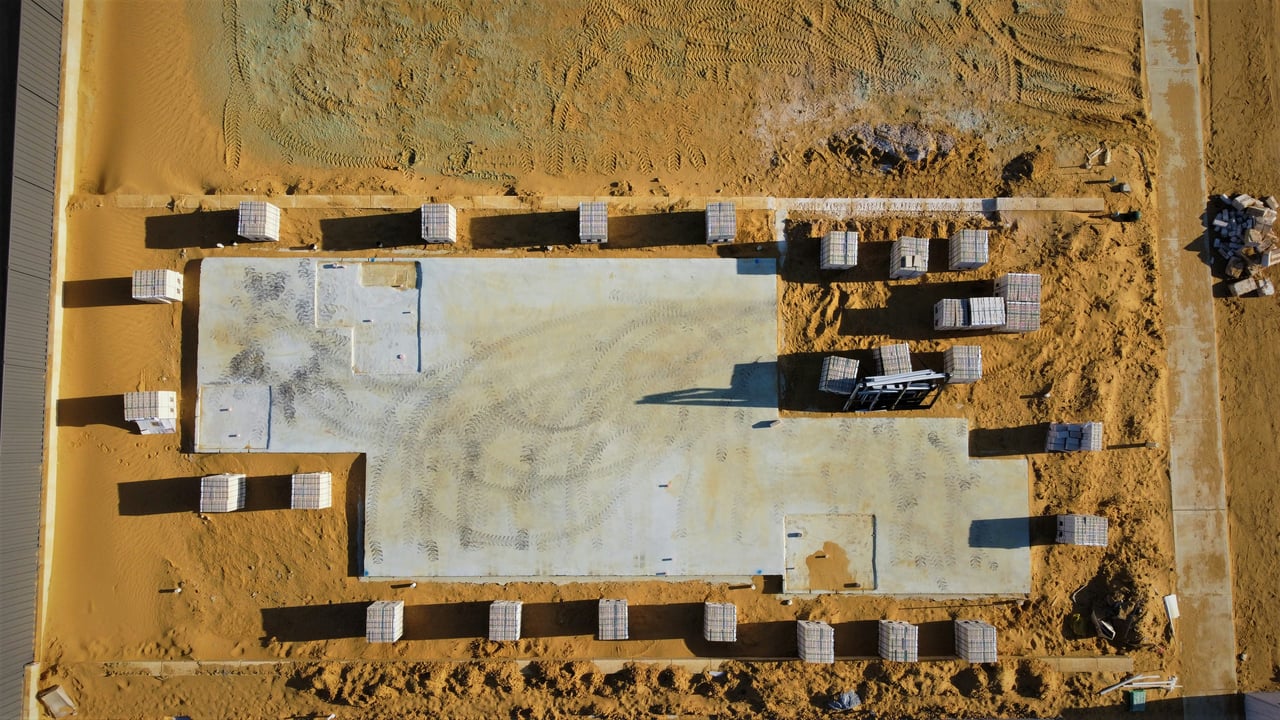
Slab on grade. A reinforced concrete slab poured directly on prepared ground, with the house built on top of it. Plumbing runs through and under the slab. It became the residential default in the post-war decades because it's faster and cheaper to build, and by the 1960s it was standard practice.
In 78704 that history is legible block by block. Travis Heights and Bouldin Creek, platted and largely built earlier, hold a meaningful stock of pier-and-beam bungalows. Zilker and Barton Hills, which filled in through the 1950s, 60s and 70s, are predominantly slab. And nearly all new construction across all four is slab, though builders working genuinely steep lots sometimes use pier-and-beam or a hybrid approach where the topography calls for it.
Neither type is safe from the clay. Central Texas soil expands when wet and contracts when dry, and it exerts real force either way. A slab cracks or tilts. A pier-and-beam house racks out of level as individual piers settle. The practical difference isn't whether they move — it's how the movement shows up and what it takes to correct.
Side by Side
Factor | Pier and Beam | Slab on Grade |
|---|---|---|
How it moves | Individual piers settle; floors go out of level, doors stick, floors feel springy | Slab cracks or tilts; drywall cracks at door corners, tile separates, doors bind |
Repair approach | Shim, replace or add piers; repair or sister beams. Often less disruptive. | Install piers around the perimeter to lift and stabilize the slab. |
Access to systems | Excellent. Plumbing and wiring are reachable from the crawl space. | Poor. Supply and drain lines run under concrete. |
Plumbing leak | Usually visible and repairable without demolition | A slab leak means jackhammering the floor or rerouting overhead |
Other issues to check | Crawl space moisture, ventilation, pests, deteriorated original piers | Post-tension cable condition where present, prior slab leaks, drainage at the perimeter |
Typical in 78704 | Pre-war bungalows — more common in Travis Heights and Bouldin Creek | 1950s–70s originals and virtually all new construction |
General characteristics. Individual properties vary considerably by age, construction quality, prior work, drainage and soil conditions. A licensed inspector and, where movement is suspected, a structural engineer should evaluate any specific property.
The Renovation Advantage Nobody Mentions
If you're buying an older central Austin house with the intention of renovating it, the foundation type matters more than almost anything else in the inspection report — and it's usually left out of the conversation entirely.
A 1930s Travis Heights bungalow on pier and beam has a crawl space. Re-plumbing it means a plumber working under the house. Rewiring means the same. Adding a bathroom, relocating a kitchen, running new HVAC ducting — all of it becomes materially easier and cheaper because someone can physically get to the underside of the floor.
The same renovation on a 1965 slab house is a different project. Original cast iron drain lines, which are common in central Austin stock of that era and do eventually fail, sit encased in concrete. Replacing them means either cutting trenches through the slab — and therefore through your finished floors — or rerouting the entire system overhead through the attic and down interior walls. Both are real money, and neither is a surprise anyone wants in month three of a remodel.
So the buying calculus shifts depending on intent. For a light cosmetic refresh, a sound slab is perfectly fine and cheaper to own. For a substantial renovation involving plumbing relocation, pier and beam is a genuine advantage that's worth paying something for. Most buyers don't know to price it.
What Buyers Think vs. What's True
There's a persistent belief in this market that pier and beam is the "better" foundation and slab is the compromise. It isn't that simple.
Where pier and beam genuinely wins: access to systems, easier and often less disruptive repairs, and the fact that a leak announces itself rather than quietly saturating soil under your house for months.
Where slab genuinely wins: nothing to ventilate, no crawl space for pests or moisture, no wood structure under the floor to deteriorate, and a well-built slab with good drainage on a stable site can go decades without needing attention.
What actually predicts trouble is neither type. It's drainage. Water pooling against a foundation, downspouts discharging at the wall, negative grading, a big tree drawing moisture unevenly from one side — those cause more foundation problems in Austin than the choice of construction method ever will. When you're evaluating a house, look at where the water goes before you form an opinion about what it sits on.
Looking at an older house in 78704?
Foundation type, prior repairs and renovation feasibility are all things worth understanding before you're under contract with a clock running. The Davis Agency has worked central Austin's older housing stock since 2006.
Neighborhood by Neighborhood
Travis Heights. The oldest concentration of pre-war housing in 78704, and correspondingly the most pier and beam. The hillside topography adds a wrinkle — sloped sites mean varying pier heights, and drainage across a grade needs attention. On the plus side, slope generally moves water away from a house rather than toward it, provided the grading was done right.
Bouldin Creek. A mix. Older bungalows on pier and beam alongside mid-century slab construction and, increasingly, modern infill. Narrow lots mean houses sit close to property lines, which makes drainage between structures worth a careful look.
Zilker. Predominantly 1960s and 70s construction, so mostly slab, generally on flatter ground. The issues here tend to be original systems within the slab rather than the slab itself.
Barton Hills. Also largely mid-century slab, but with genuine elevation change. Slope on a slab house means drainage and grading deserve the most scrutiny of any of the four — and mature oak canopy drawing moisture unevenly from one side of a foundation is a real phenomenon here.
What to Do at the Inspection
On pier and beam: make sure the inspector actually enters the crawl space rather than looking in from the access hatch. Ask about pier condition, beam and joist condition, moisture, ventilation, and evidence of prior shimming. Check whether the floors are level and, if not, whether it's uniform or localized.
On slab: ask about crack patterns and whether they're structural or cosmetic, whether doors and windows operate correctly, whether there's evidence of a prior slab leak, and what the drainage and grading look like around the perimeter. On mid-century houses, ask specifically about the drain line material.
On either: if the inspector flags movement, get an independent structural engineer rather than a foundation repair company. The engineer has no financial stake in the scope, and their report becomes the specification contractors bid against.
Frequently Asked Questions
Is pier and beam better than slab in Texas?
Neither is universally better. Pier and beam offers far easier access to plumbing and wiring, which makes renovations and repairs cheaper, and leaks are visible rather than hidden under concrete. Slab has no crawl space to ventilate, no wood structure beneath the floor to deteriorate, and no pest access. Both move in Central Texas expansive clay. Drainage and site conditions predict foundation trouble far more reliably than construction type does.
What foundation do older Austin homes have?
Generally it tracks the build date. Pre-war homes — common in Travis Heights and Bouldin Creek — are typically pier and beam. Houses built from roughly the 1960s onward, including most original construction in Zilker and Barton Hills, are typically slab on grade. Nearly all new construction in central Austin is slab, though some builders use pier and beam or a hybrid approach on steeply sloped lots.
Is it harder to renovate a slab foundation house?
For anything involving plumbing, yes and meaningfully so. Supply and drain lines run through and under the concrete, so relocating a kitchen or bathroom, or replacing aging cast iron drain lines common in mid-century construction, requires either cutting through the slab and the finished floors above it or rerouting the system overhead. On pier and beam, a plumber works from the crawl space. Cosmetic renovations are comparable on both.
Should I avoid buying a house with foundation repairs?
Not automatically. In a market built on expansive clay, a documented repair with a transferable warranty is frequently a better position than an untouched house of the same age. What matters is who did the work, whether an engineer specified the scope, whether drainage was corrected alongside the structural repair, and whether the warranty transfers to you. Confirm all four in writing before closing.
Related Reading from The Davis Agency
→ Foundation Problems Mid-Transaction: What Happens Next
→ What an Austin Home Inspection Actually Flags
→ Travis Heights: Hillside Lots, Historic Character, and What Buyers Pay For
Evaluating an Older Central Austin House?
Foundation type shapes what a renovation costs, what the inspection will turn up and what the house is worth to the next buyer. Worth understanding before you write the offer rather than after. The Davis Agency has worked 78704's older housing stock since 2006.
Start the ConversationCall (512) 608-8811
Derrik Davis · Broker/Owner, The Davis Agency · CLHMS Certified · TREC License #558841 · Serving 78704 and the greater Austin luxury market since 2006. This article is general information and is not engineering or construction advice — engage a licensed inspector and, where movement is suspected, a licensed Texas structural engineer for any specific property.