Barton Hills vs. Zilker: The Builder's Comparison
Developer Intelligence · August 2026
The short answer: Barton Hills has the higher ceiling — bigger lots, exits above $4 million, and the strongest luxury buyer pool in 78704. Zilker has the better arithmetic. Lower land basis, lower cost per square foot, and a tighter exit band that still clears $3 million produce a materially better margin on less capital. If you're building to sell, Zilker usually wins. If you're building to live in it, Barton Hills is a different conversation.
These two neighborhoods sit next to each other, share a ZIP code, and get talked about interchangeably. They are not interchangeable. The land costs differently, the houses cost differently to build, the buyers want different things, and the projects carry different risk. Here's the side-by-side.
Compare a Specific LotCall (512) 608-8811
$900K–$1.4M Barton Hills Land Versus $800K–$900K in Zilker | $100/SF Hard Cost Gap Barton Hills runs consistently higher | $4M+ Barton Hills Ceiling Zilker tops out nearer $3M | 2x Lot Size Difference Roughly, on typical parcels |
Side by Side
Factor | Barton Hills | Zilker |
|---|---|---|
Land basis | $900,000 to $1.4 million | $800,000 to $900,000 |
Hard construction cost | $500 to $600 per square foot | $400 to $500 per square foot |
Typical lot size | 0.22 to 0.41 acres — large by central Austin standards | Smaller and generally flatter |
New construction exits | $2.8 million to $4 million and above | $2.8 million to $3 million |
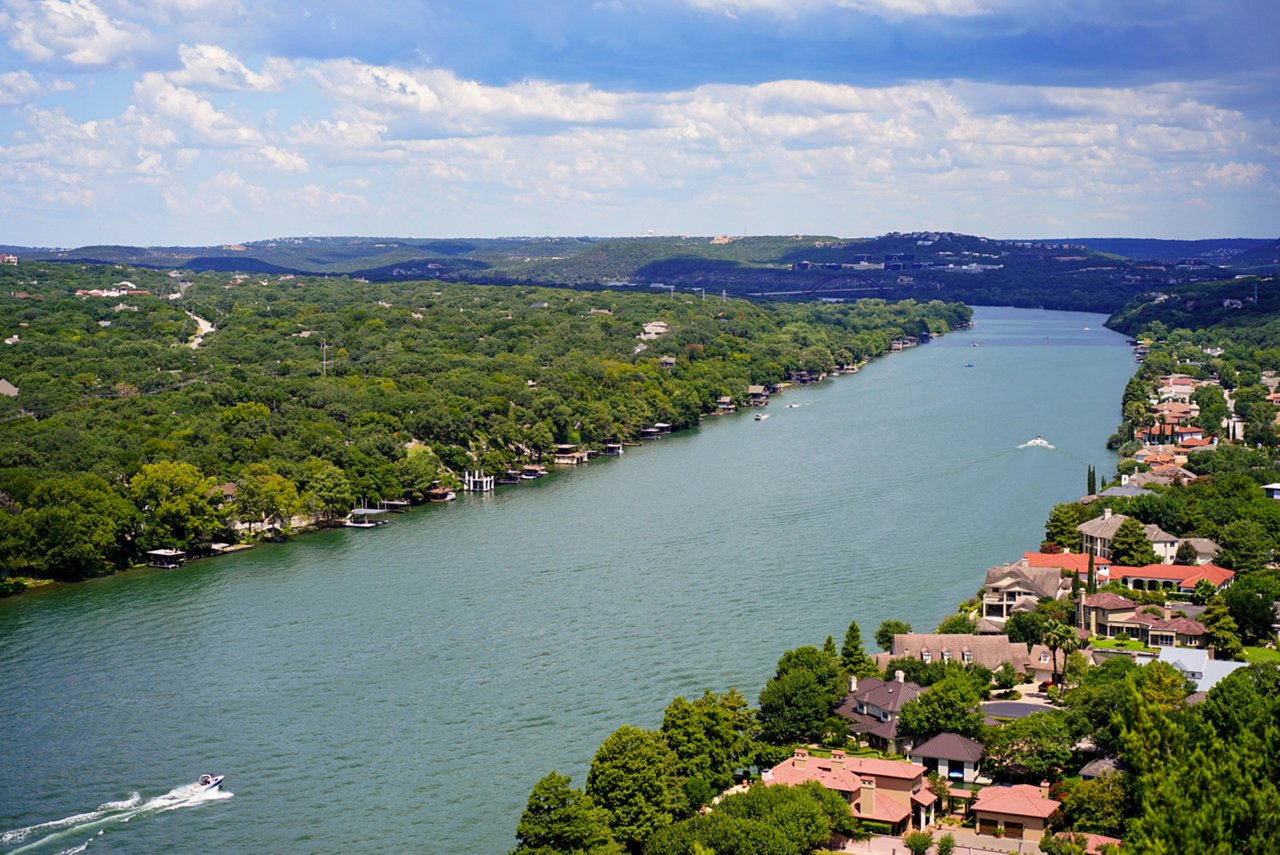
Terrain | Real elevation change, mature oak canopy, greenbelt adjacency on the best streets | Flatter, more regular, easier to build on |
What the buyer wants | Lot size, privacy, tree canopy, the walk to the greenbelt | Proximity to Zilker Park and Barton Springs, walkability, urban access |
Capital required | Higher — more land, more house, more cost per foot | Lower entry point on every line |
Best suited to | Owner-driven custom builds; spec only with real capital depth | Spec projects, and buyers who want walkability over acreage |
Ranges reflect current market estimates for well-positioned product. Individual lots vary substantially by street, slope, tree coverage and utility position. Any specific parcel requires its own analysis.
Run the Arithmetic on Both
The table shows Barton Hills winning on every headline number. The pro forma tells a different story.
Barton Hills. Land at $1.1 million. A 4,000 square foot house at $550 per foot is $2.2 million of hard cost. Add demolition and site prep at $25,000, then soft costs, carry, permitting and fees at roughly 12 percent of hard cost, another $264,000. All in, approximately $3.59 million against an exit of $3.8 to $4 million. Margin lands somewhere around $210,000 to $410,000 — call it 6 to 11 percent, on $3.6 million of deployed capital over a build that runs 14 to 20 months.
Zilker. Land at $850,000. A 3,200 square foot house at $450 per foot is $1.44 million. Same $25,000 for demolition, soft costs at 12 percent adding $173,000. All in, roughly $2.49 million against an exit of $2.8 to $3 million. Margin of $310,000 to $510,000 — 12 to 20 percent, on $2.5 million.
More absolute dollars, better percentage, and $1.1 million less capital tied up. That's not a close call on a spec basis.
Read these as illustrations, not quotes. The figures above use midpoint assumptions and a single soft-cost percentage. Real projects vary on every line — a Barton Hills lot with a stepped foundation and three heritage oaks costs differently than one on a gentle slope, and an exceptional greenbelt lot can clear well above $4 million and change the answer entirely. The purpose here is the shape of the comparison, not the decimal places.
Why Barton Hills Costs $100 More Per Foot
The premium isn't charged for the address. Three things drive it, and all three are real.
Topography. Barton Hills has genuine elevation change. Stepped foundations, retaining structures, engineered drainage and longer utility runs all follow, and they land in the budget before anyone picks a tile.
Trees. The mature oak canopy is a large share of what buyers pay for, and protecting it through an 18-month build is a line item. Tree fencing maintained for the duration, hand excavation inside critical root zones, smaller equipment, restricted staging, drives routed around protected areas.
Specification level. A $3.5 million Barton Hills house competes against other $3.5 million Barton Hills houses. The window packages, millwork, mechanical systems and outdoor living that clear at that price sit above what clears at $2.8 million in Zilker. Part of the per-foot gap is simply a better house.
Which produces a practical caution: a builder who is excellent in Zilker at $450 a foot is not automatically the right call in Barton Hills. Ask specifically about completed projects on lots with comparable slope and canopy.
Two Different Buyers
The exit ranges overlap at the bottom, which obscures how different the demand actually is.
The Barton Hills buyer is usually trading space for stillness. Larger lot, mature trees, a quieter street, the greenbelt at the end of it. Frequently a family with school-age kids, frequently relocating from a market where $3.5 million buys considerably less. They want the house to feel like a retreat, and they are not looking for a fifteen-minute walk to a bar.
The Zilker buyer is buying access. Barton Springs Pool, the park, the trail, and a short walk to South Lamar and Barton Springs Road. They will accept a smaller lot and a tighter house to be that close to it. That's why smaller square footage holds its per-foot value better here than the raw numbers suggest.
If you build the wrong product for the neighborhood — a compact, urban, lot-line-to-lot-line house in Barton Hills, or a sprawling single-story on a Zilker lot that could have been walkable — you'll find out on days on market rather than in the pro forma.
Deciding between two lots in different neighborhoods?
The right answer depends on your capital, your timeline and whether you're building to sell or to stay. The Davis Agency underwrites projects across Barton Hills, Zilker, Bouldin Creek and Travis Heights and can run the comparison on the actual parcels you're weighing.
The Zilker Asterisk
One factor doesn't appear in any pro forma: ACL runs two weekends every October at Zilker Park, and a 2025 agreement with the City extends that arrangement through the end of 2040. Counting build-out and restoration, the park is effectively occupied for closer to a month.
This has not suppressed Zilker values — the neighborhood has been among the strongest appreciators in Austin over the festival's entire existence, and the park driving that demand is the same park hosting the festival. But it does filter a small slice of the buyer pool, and it's a real consideration for listing timing in the fall.
Barton Hills has no equivalent. It's greenbelt-adjacent rather than park-adjacent, which means trail access without festival logistics. For some buyers that distinction is worth more than anything on the spec sheet.
Which One for Which Project
Building to sell, first or second project: Zilker. Lower capital at risk, tighter and more predictable exit band, less site complexity, faster build.
Building to sell, with depth and experience: Barton Hills, on the right lot. The ceiling is genuinely higher and an exceptional greenbelt parcel can clear well past $4 million — but the margin is thinner in percentage terms and the capital commitment and hold period are both longer.
Building to live in: the pro forma stops governing. If you want the lot and the canopy and you're staying fifteen years, Barton Hills gives you something Zilker structurally can't. Pay the per-foot premium knowingly rather than discovering it at framing.
Buying finished rather than building: Zilker gives you more house near the top of its range; Barton Hills gives you more land and a higher ceiling. Between two properties at the same price, you're mostly choosing between walkability and acreage.
Frequently Asked Questions
Is Barton Hills or Zilker more expensive?
Barton Hills, on both land and construction. Land basis runs $900,000 to $1.4 million against $800,000 to $900,000 in Zilker, and hard construction costs run $500 to $600 per square foot against $400 to $500. Barton Hills also has the higher exit ceiling, with well-executed new construction reaching above $4 million while Zilker generally tops out nearer $3 million.
Which is better for a spec build, Barton Hills or Zilker?
Zilker usually produces better risk-adjusted returns. Lower land basis and lower per-foot construction cost against an exit band reaching $3 million typically yields a stronger margin percentage on materially less deployed capital. Barton Hills offers the higher absolute ceiling but thinner percentage margins and a longer, more capital-intensive build.
Why does it cost more to build in Barton Hills?
Three reasons. Topography requires stepped foundations, retaining structures, engineered drainage and longer utility runs. Mature tree canopy requires protection through the build, hand excavation within critical root zones, and restricted equipment staging. And the neighborhood's exit pricing supports a higher specification level, so part of the per-foot difference reflects a better-finished house.
Does ACL Fest affect Zilker home values?
There is no rigorous study isolating the effect, and Zilker has appreciated strongly throughout the festival's existence. The park that draws the demand is the same park that hosts the event. That said, the two October weekends do filter a small portion of the buyer pool and are a genuine factor in fall listing strategy. A 2025 agreement extends the festival's use of Zilker Park through the end of 2040.
Related Reading from The Davis Agency
→ Who's Actually Building in Barton Hills Right Now
→ What a Zilker Lot Actually Supports: Cover, FAR, and the Trees
→ Bouldin Creek's Lot Geometry Problem
→ Travis Heights: Hillside Lots, Historic Character, and What Buyers Actually Pay For
Weighing Two Lots?
The comparison above is directional. The comparison that matters is between the two specific parcels you're actually considering, with their actual slope, trees, width and street. The Davis Agency has underwritten projects across both neighborhoods since 2006 and can run that side by side.
Start the ConversationCall (512) 608-8811
Derrik Davis · Broker/Owner, The Davis Agency · CLHMS Certified · TREC License #558841 · Serving 78704 and the greater Austin luxury market since 2006. Figures are illustrative market estimates, not projections for any specific project. Confirm site conditions, costs and comparable sales before making a development decision.